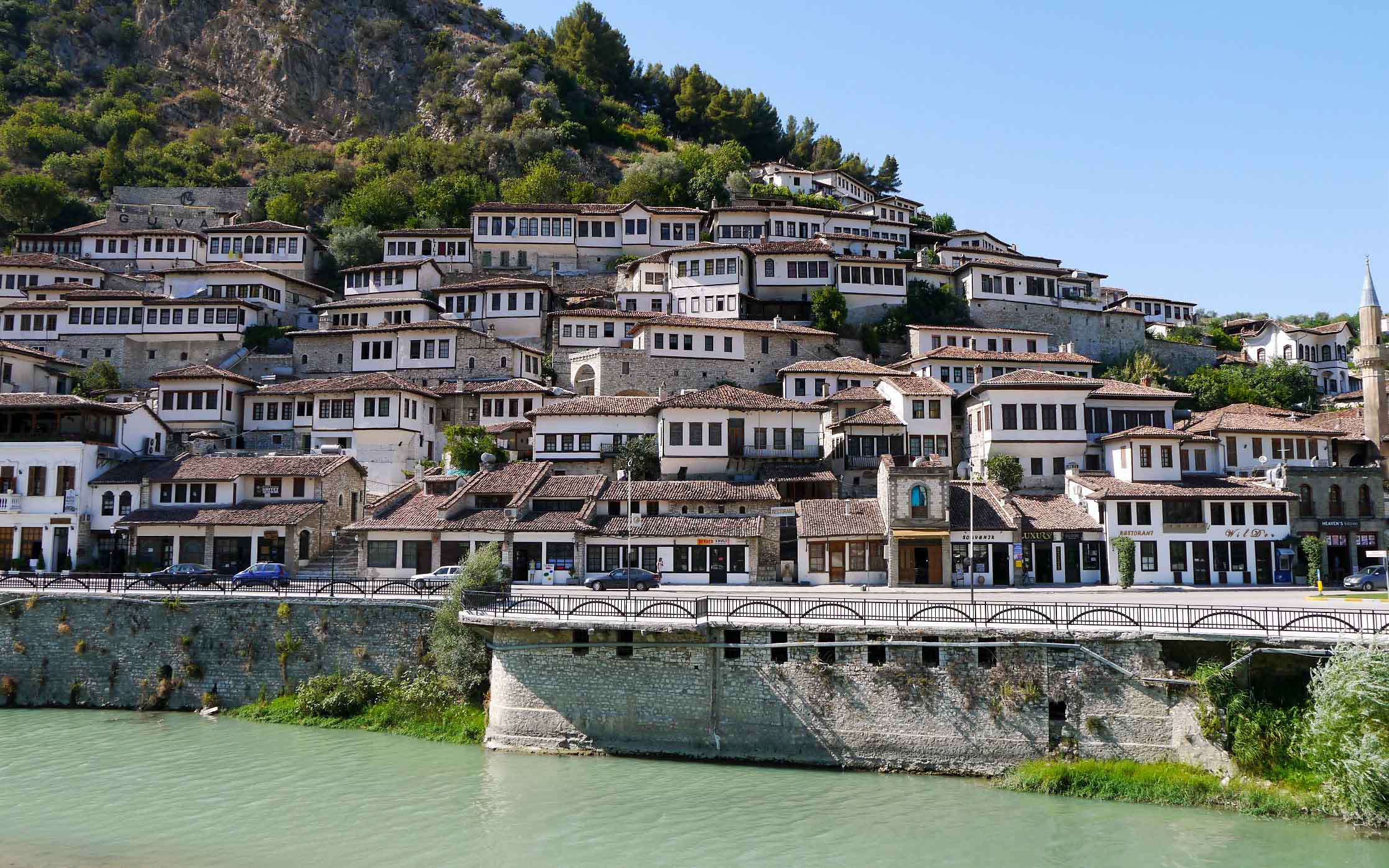
Berat’s appeal lies in its distinctive traditional architecture and the rugged mountain scenery that surrounds the city.
Berat was founded by the Illyrian tribe of Dassaretae in the 6th century BC. It was later transformed into a Macedonian stronghold called Antipatrea in the 3rd century BC. As the Roman military presence in the region became more dominant in 200 BC, the fort was captured by legatus Lucius Apustius. After the collapse of the Western Roman Empire, the town became a part of the unstable frontier of the Byzantine Empire. Like the rest of the Balkan Peninsula, it was subjected to repeated invasions by the Slavs. It was during this time that the town was given its Slavic name, Beligrad [White City]. In 1417, the town became part of the Ottoman Empire and its name was changed to Berat. During the early period of Ottoman rule, the town experienced a severe decline. However, it began to recover in the 18th century and became a major craft center of the Ottoman Empire specializing in woodcarving.
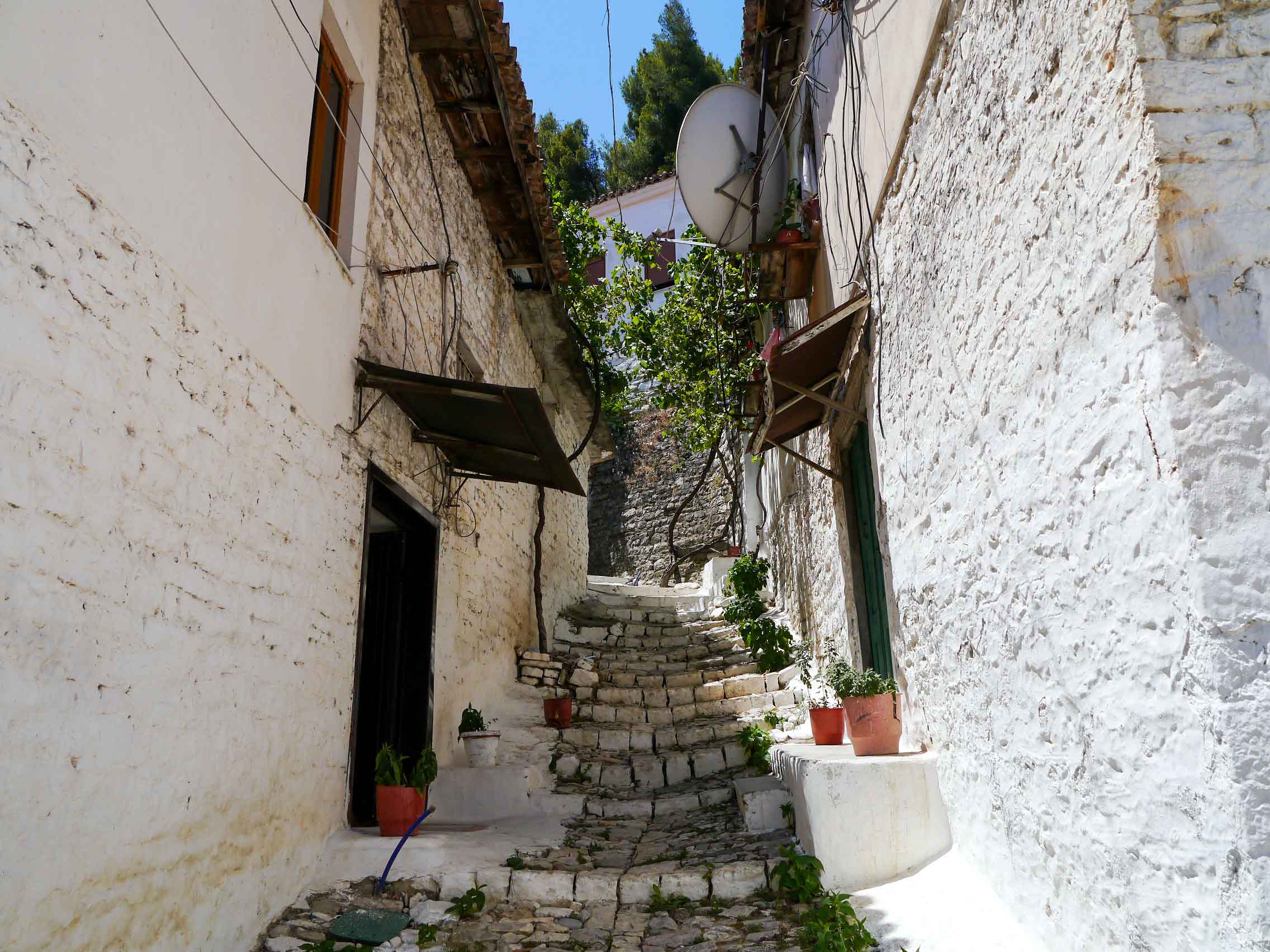
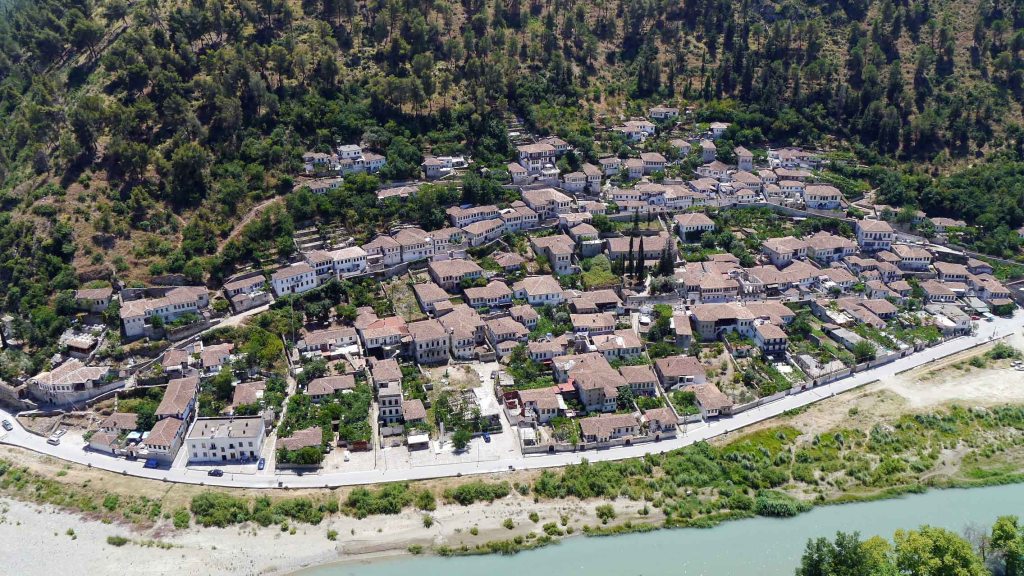
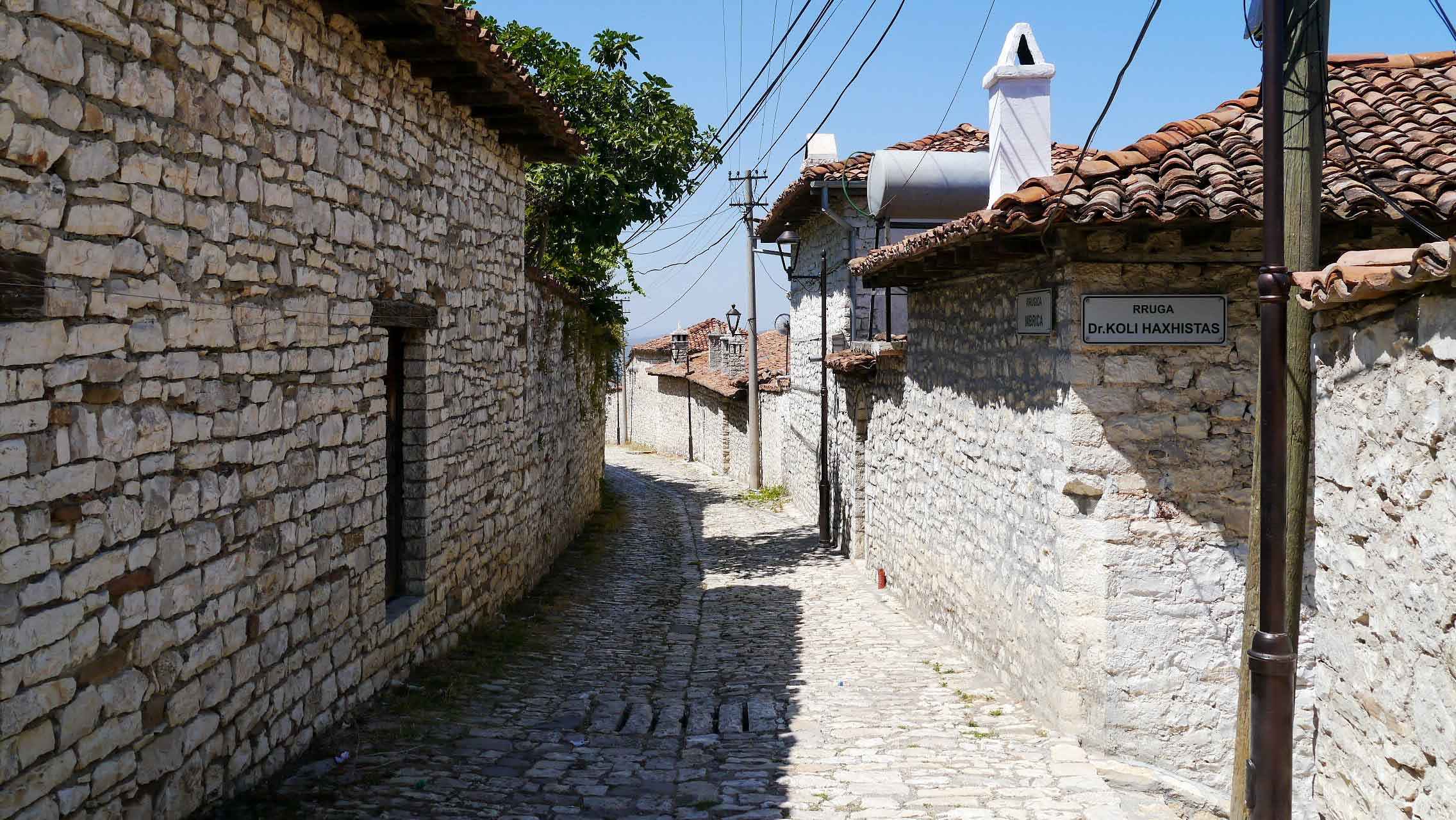
The old part of the city is subdivided into three principal neighborhoods: Kala, which is the hill housing the remnants of the old castle; Mangalemi, the Ottoman part of the old town located at the foot of the castle on the right bank of the Osum River; and Gorica, the Orthodox part of the old town located on the left bank of the Osum River. The numerous rows of white Ottoman-style houses, erected along the steep slope underneath the castle, have earned Berat an additional moniker – the ‘City of Thousand Windows’.
Visitors to Berat can not only experience the city’s cultural heritage and stunning architecture but also explore the surrounding mountains and river, immersing themselves in the natural beauty and folklore that make Berat such a unique and unforgettable destination. Berat was inscribed on the UNESCO World Heritage Site in 2008 due to its well-preserved Ottoman architecture, which includes the old town and castle. The town is also recognized for its long history and cultural significance, as it has been inhabited since the 6th century BC and has been influenced by various civilizations throughout the centuries.
Berat Castle
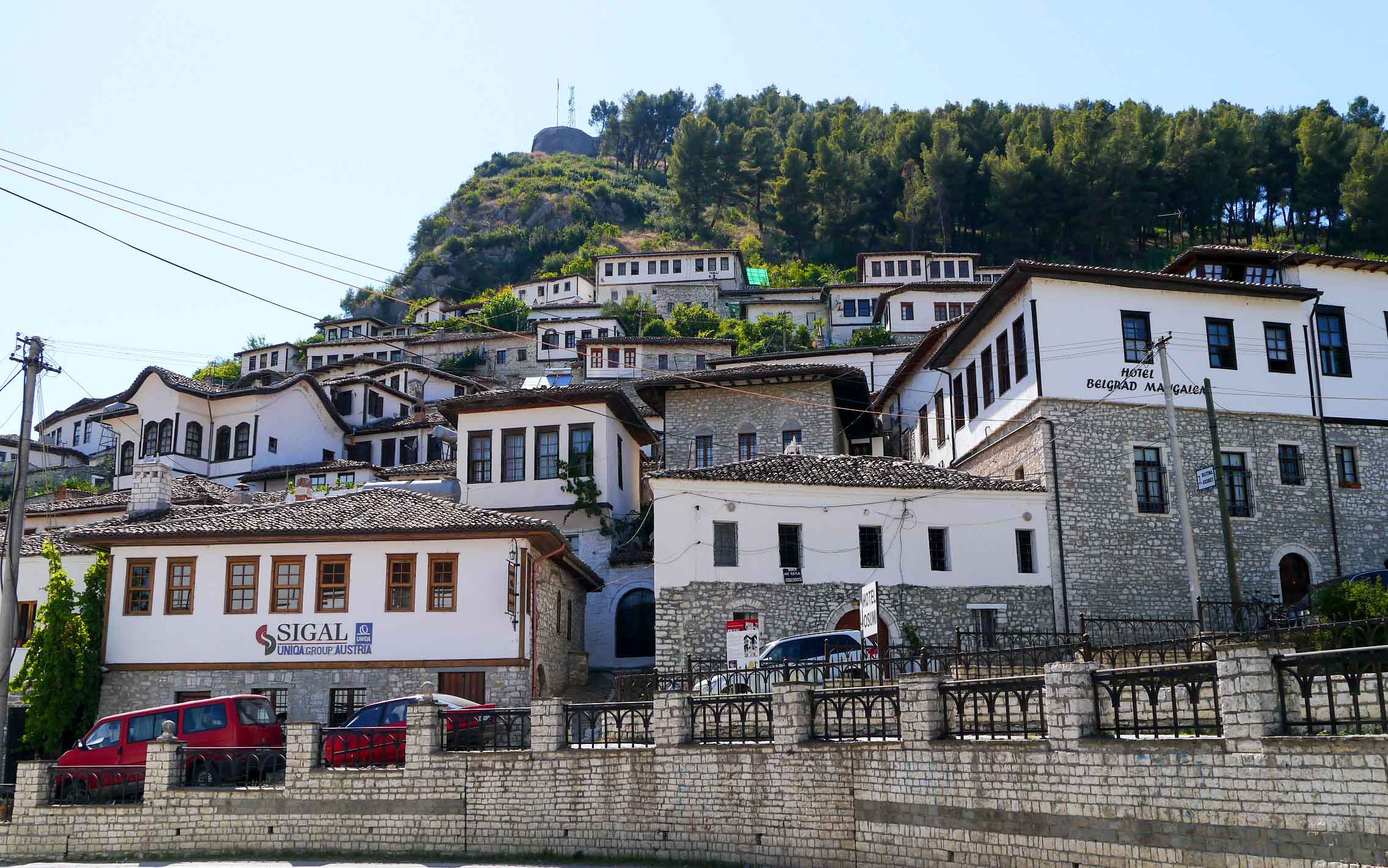
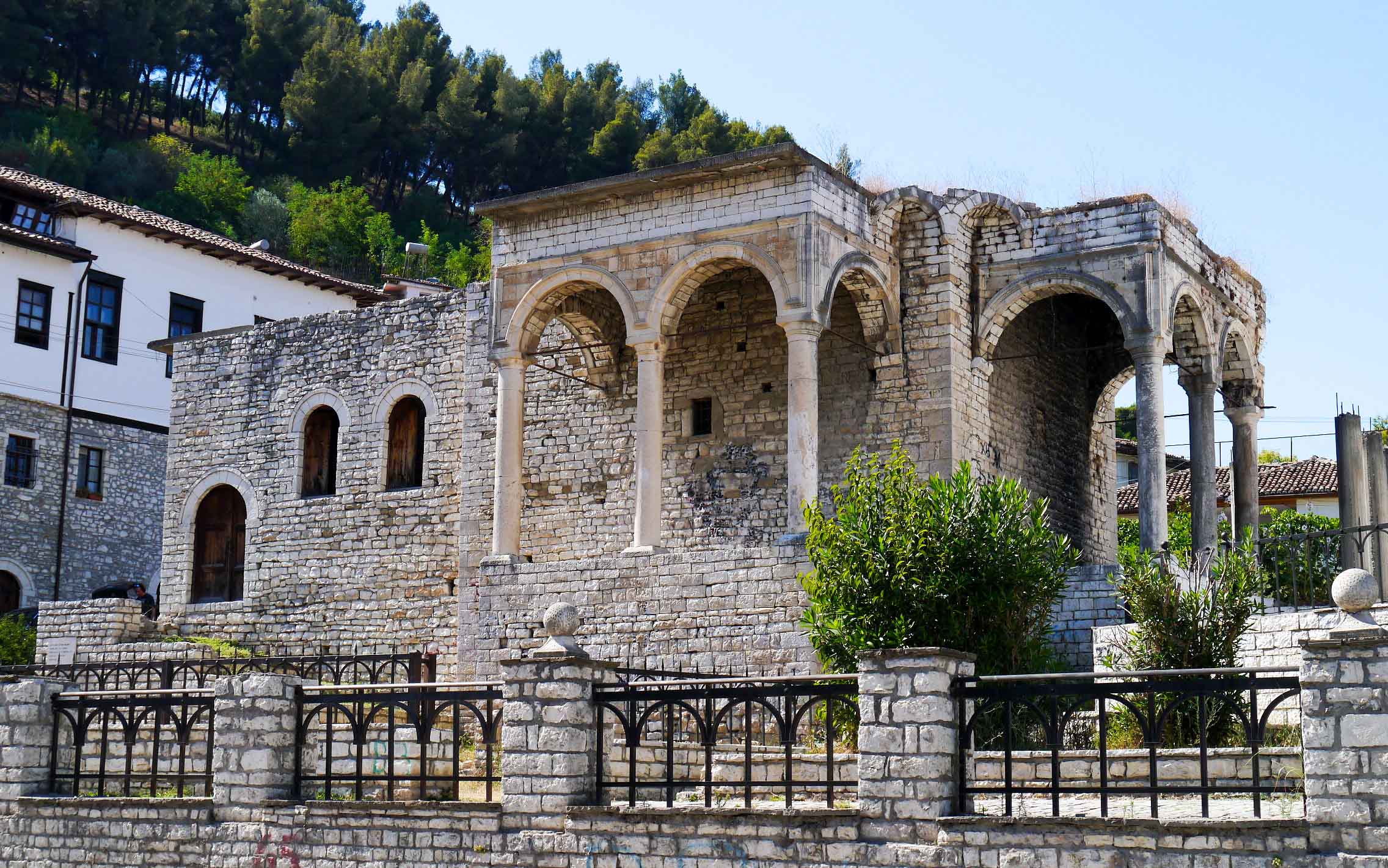
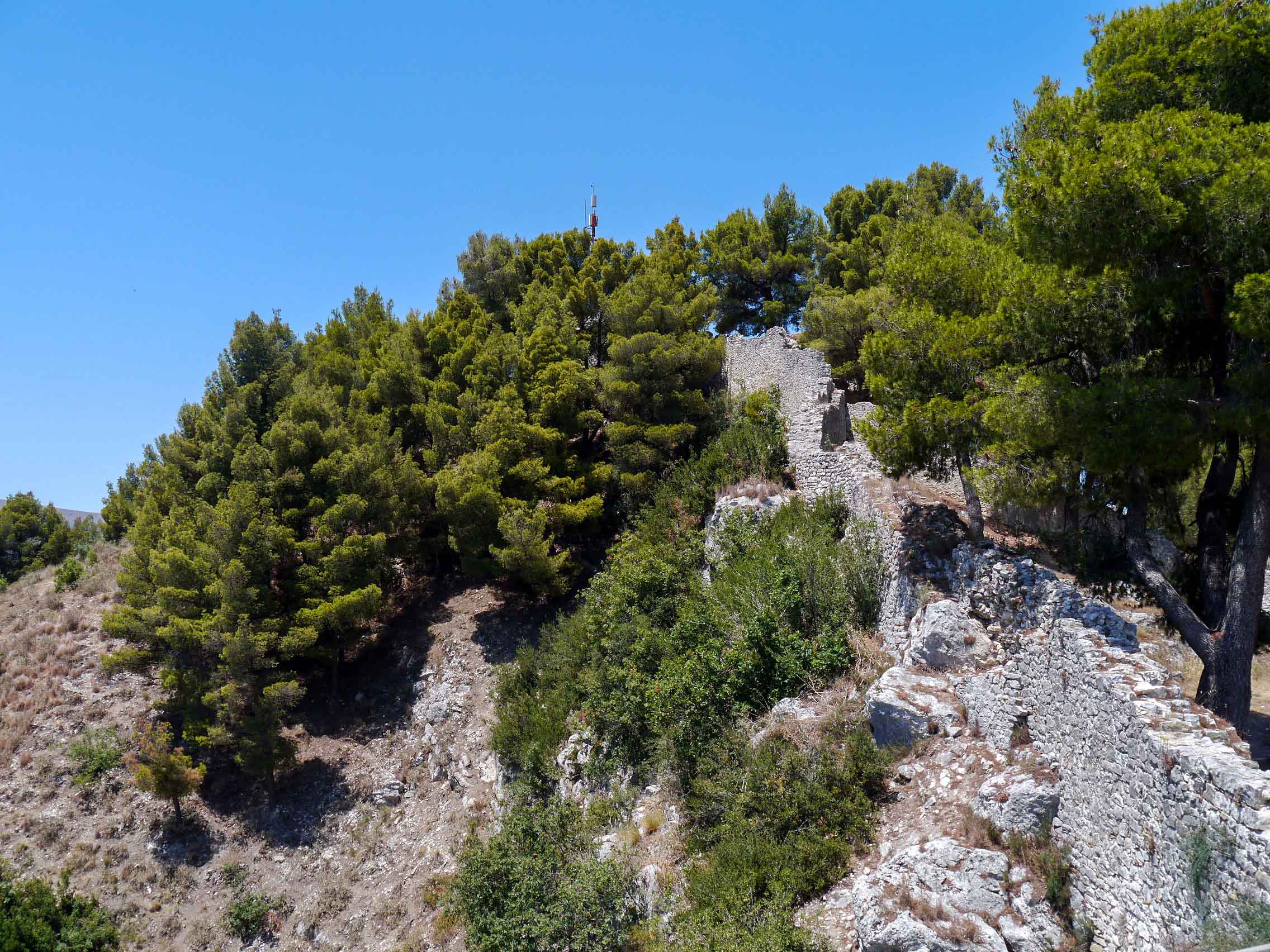
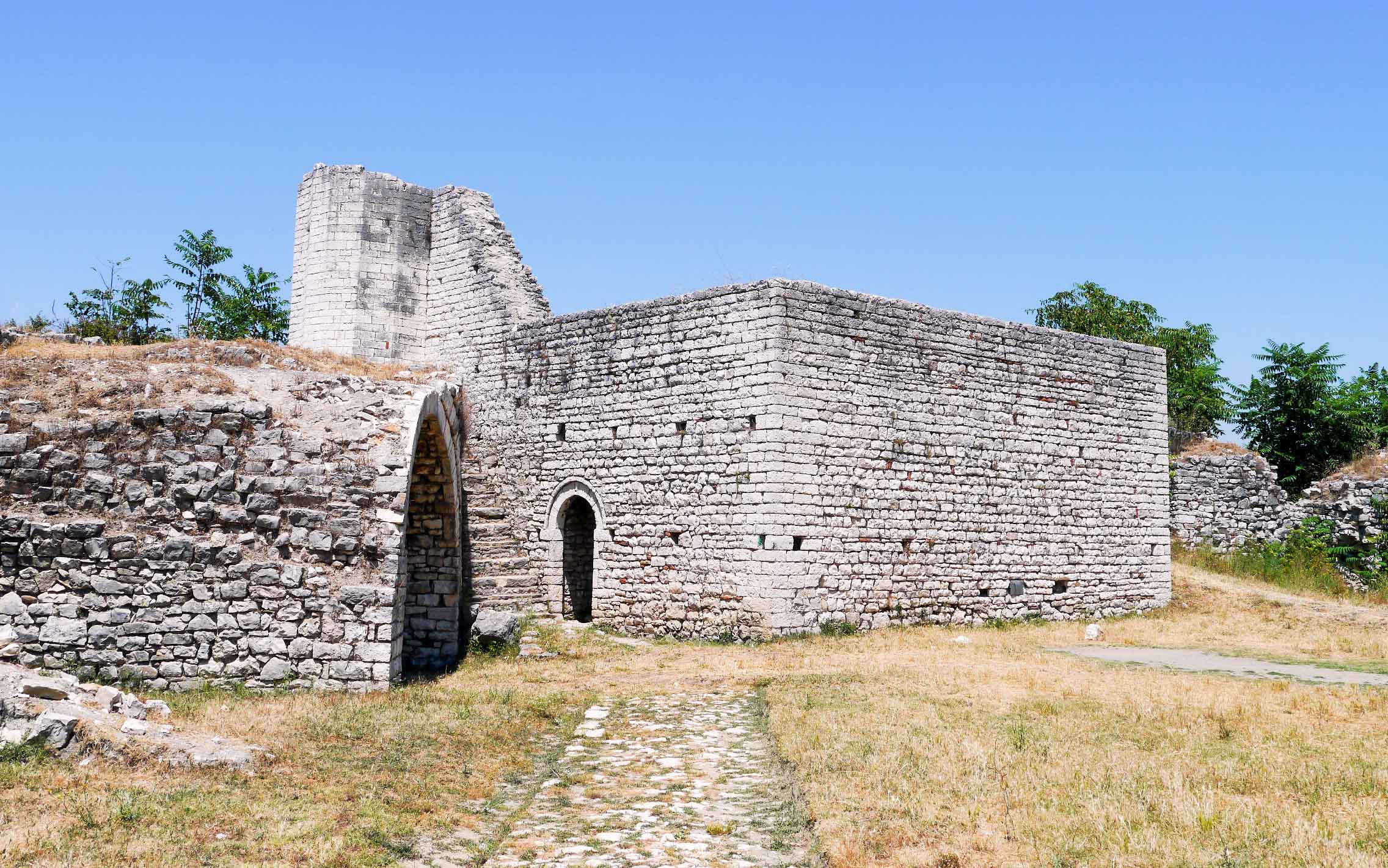
Berat Castle [Kalaja e Beratit], situated on a rocky hill, can be reached via a steep and slippery cobblestone street. The Macedonian stronghold, which was mostly destroyed by the Roman legatus Lucius Apustius, was subsequently reconstructed during the Roman period to serve as a safeguard against Barbarian attacks. The fortification was gradually expanded, especially by the Muzakaj family in 1396.
Arguably, the most remarkable event in the history of the castle was the Siege of Berat in 1455, where the Albanian army led by Gjergj Kastrioti Skënderbeu attempted to capture it from the Ottoman forces without success. Skënderbeu (1405?-1468) was an Albanian nobleman and military commander who is considered a national hero. He laid siege to the castle for several months, which led to the demoralization of the Ottoman commander in charge of the fortress, who eventually promised to surrender. At this juncture, Skënderbeu departed from the siege, leaving one of his generals and half of his cavalry to finalize the surrender. The Ottomans viewed this as an opportunity to launch an attack and inflicted a devastating blow to the remaining Albanian cavalry.
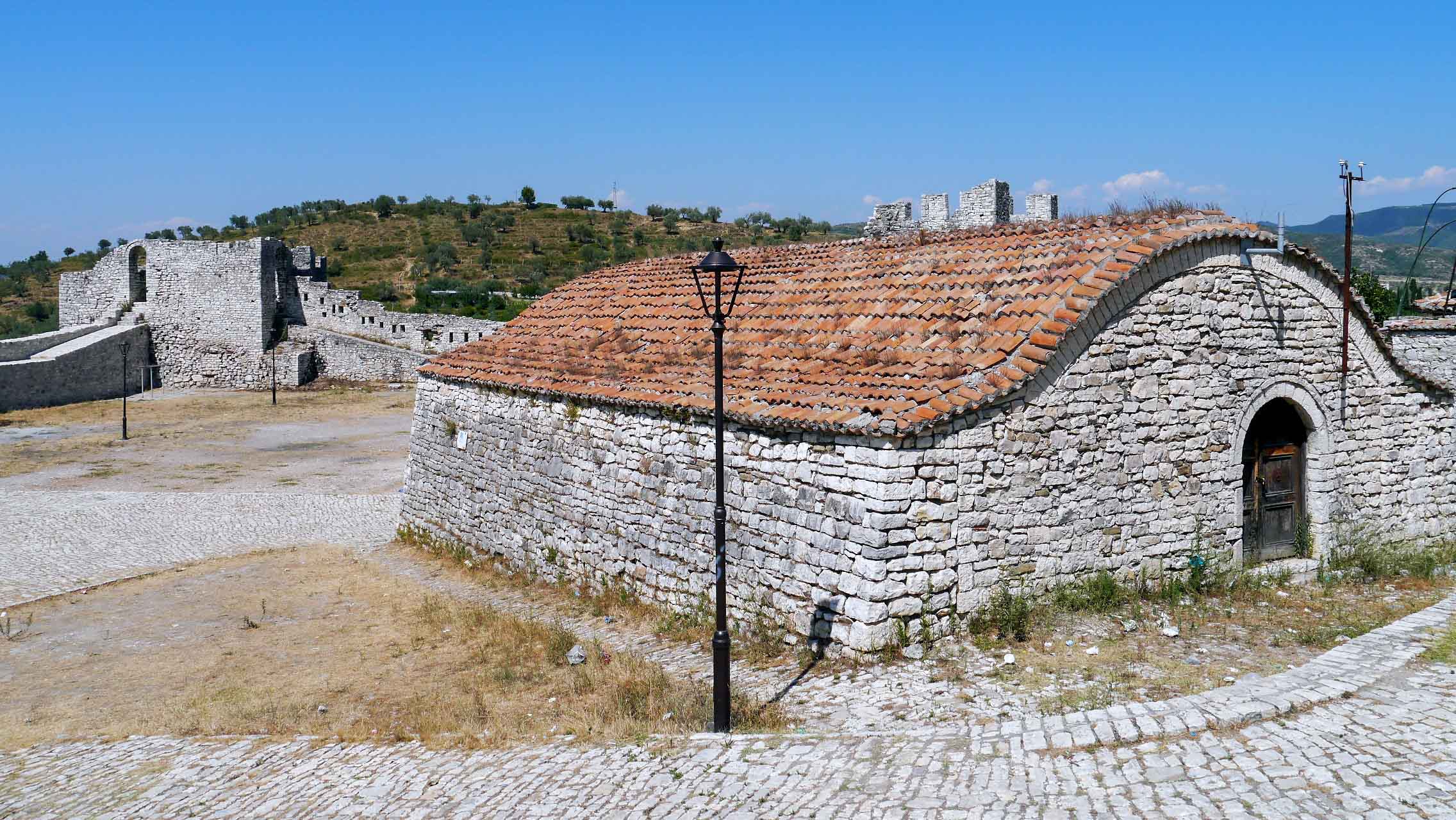
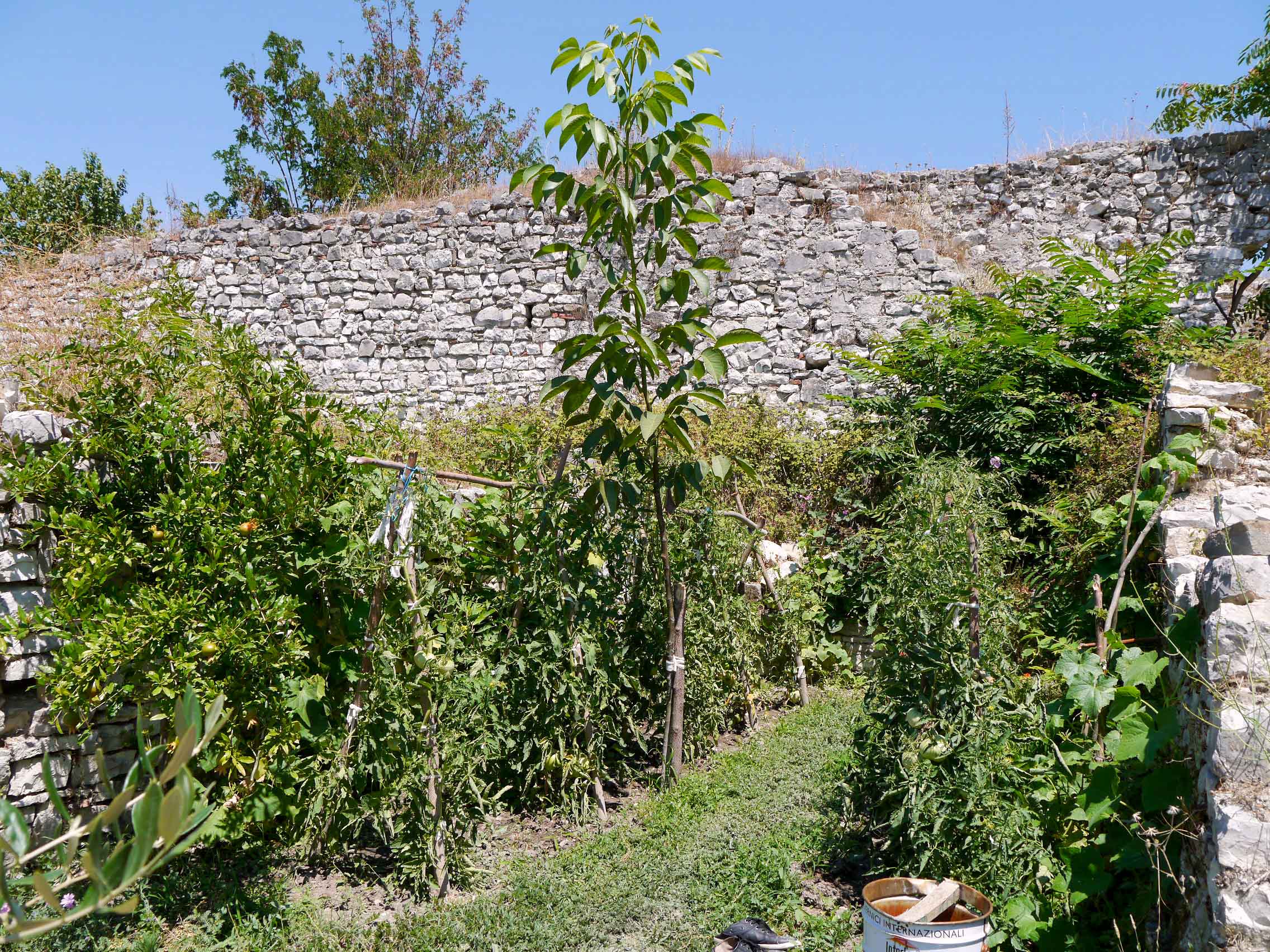
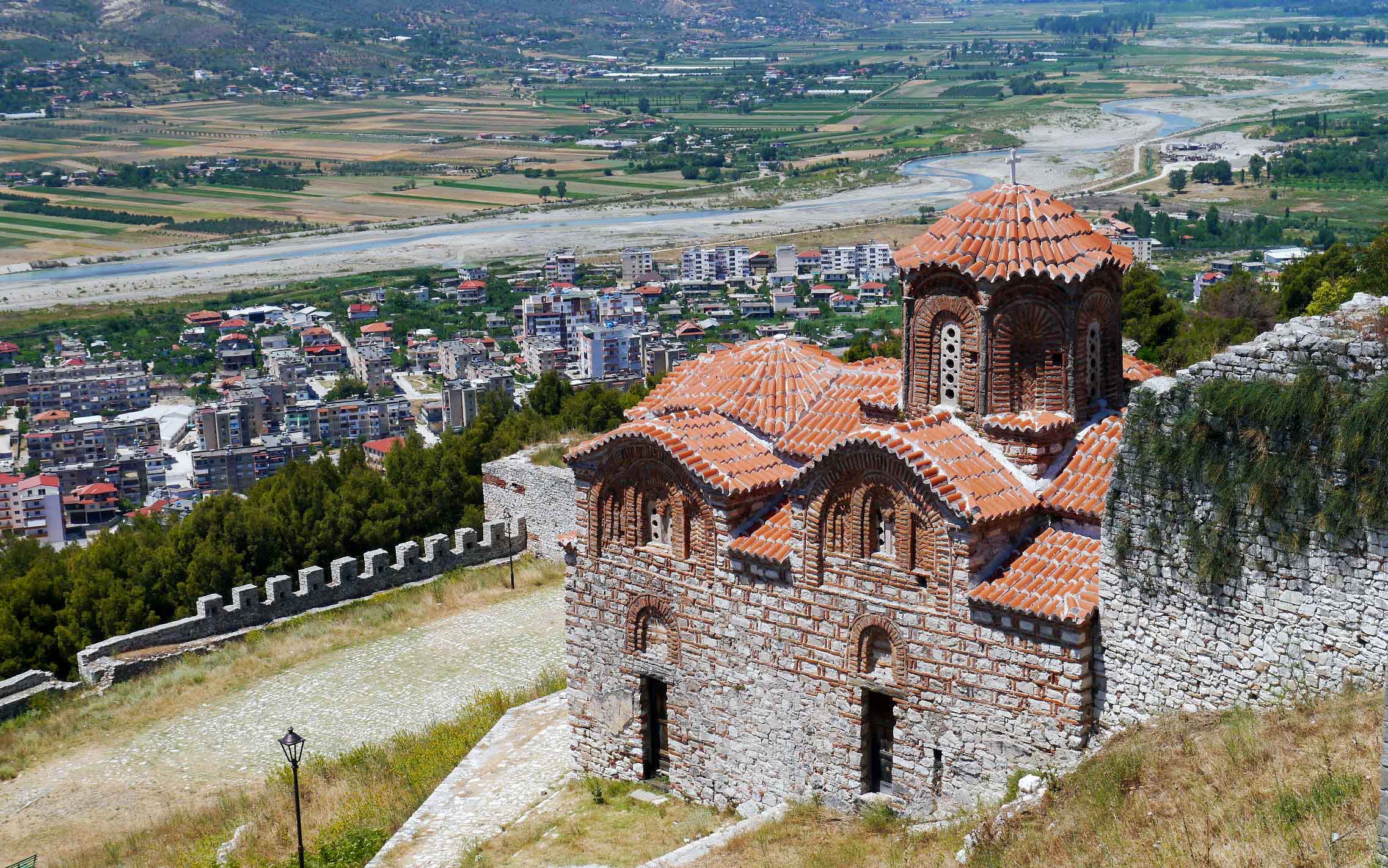
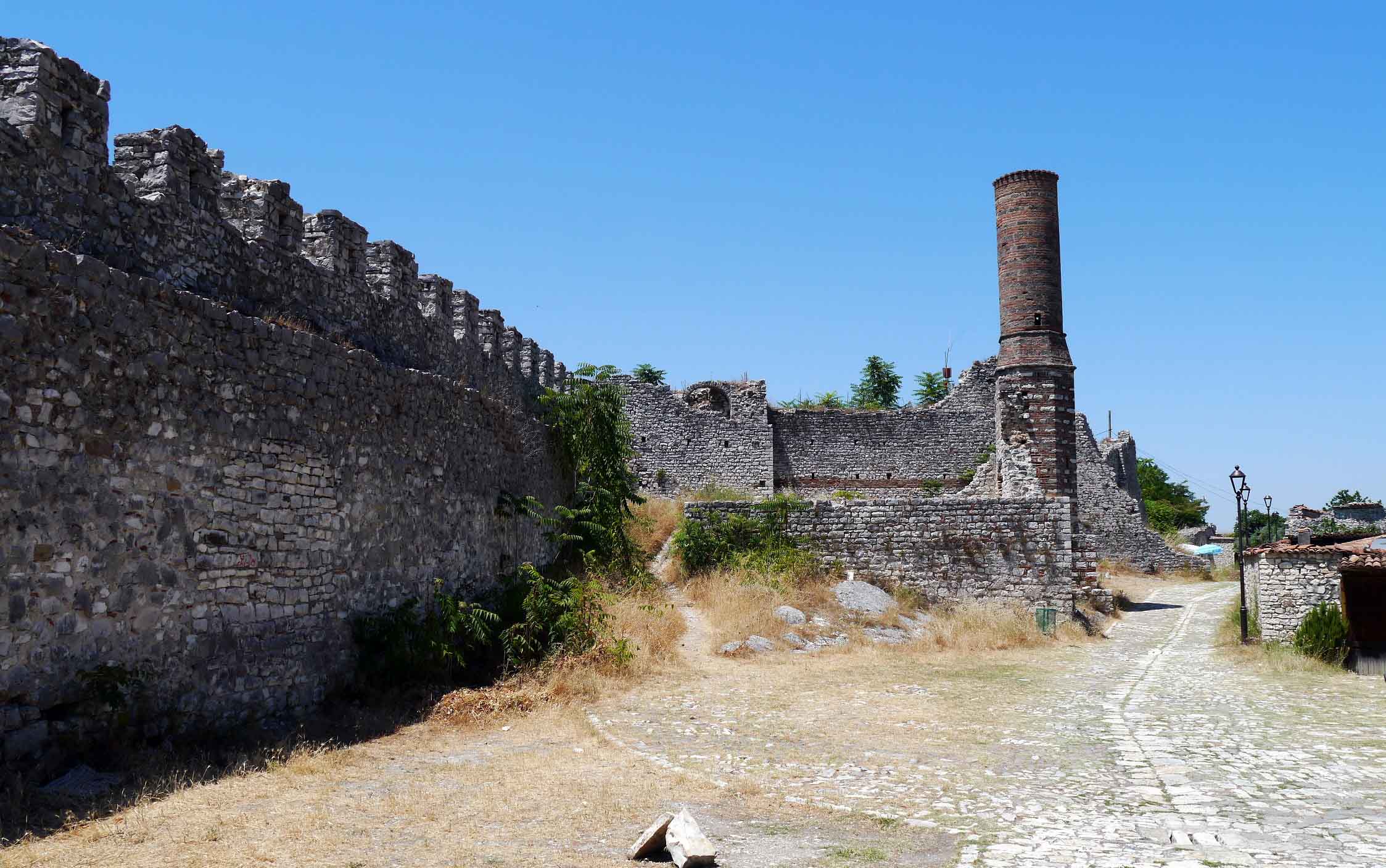
The present-day ruins mostly trace back to the 13th century and feature dwellings, Byzantine churches, and Ottoman mosques. Despite the decaying walls, inhabitants still live in whitewashed stone houses lining narrow, cobbled streets. It is very easy to accidentally wander into someone’s garden while exploring the ruins, mistaking it for part of the ‘attraction’. Nonetheless, the castle’s most notable characteristic is its tranquil ambiance, as the city remains undiscovered by many tourists.


Museums
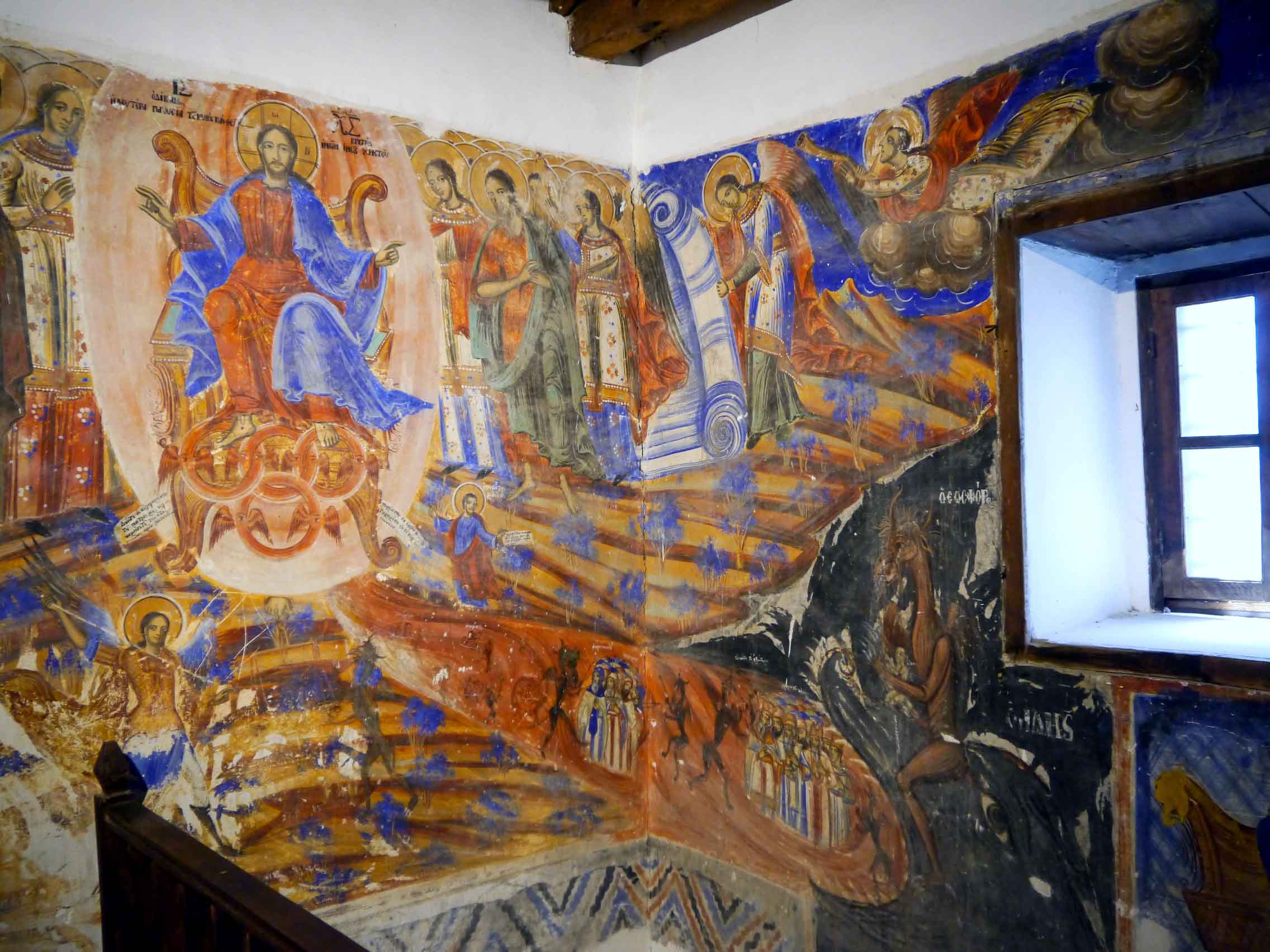
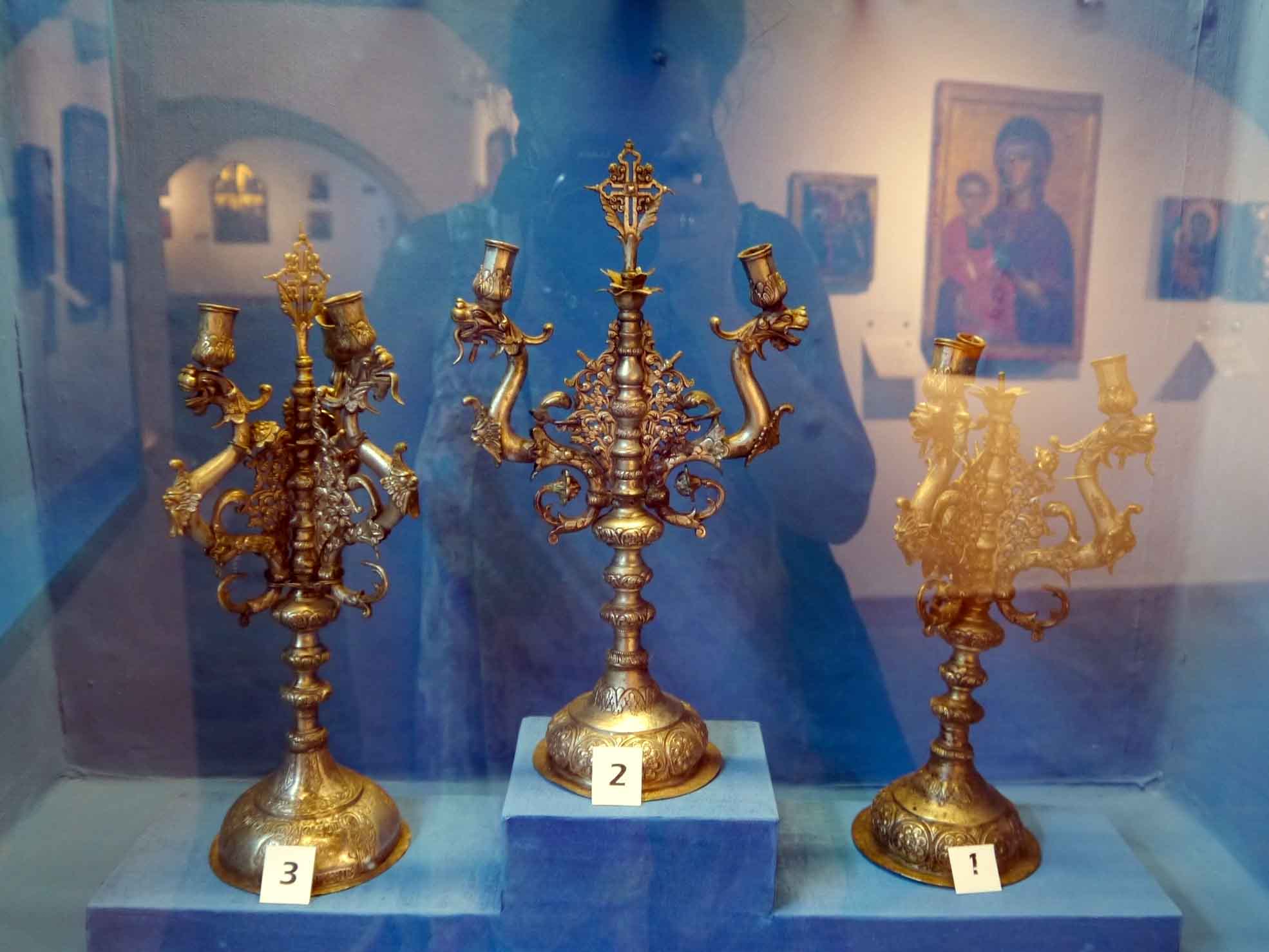
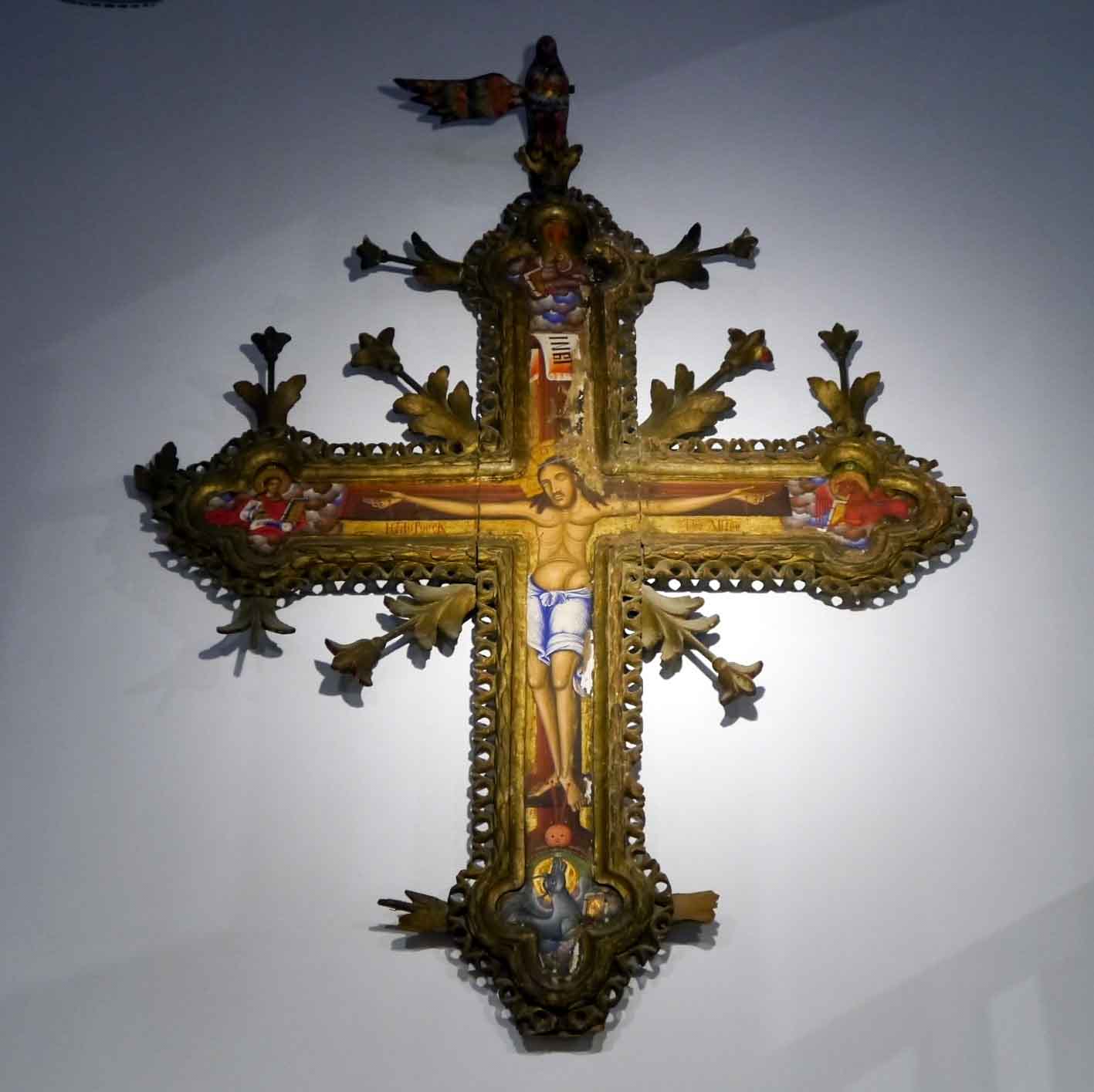
The Onufri Museum [Muzeu Onufri], housed in Cathedral of the Dormition of St Mary [Katedralja Fjetja e Shën Mërisë], is a national Albanian museum that focuses on Byzantine art and iconography. It is named after Onufri, a prominent Albanian iconographer from the 16th century who broke with the strict conventions of his time by incorporating greater realism and individuality into the facial expressions of his paintings. Onufri also introduced a new color, shiny red and founded a painting school in Berat that was continued by his son Nikolla after his death. The museum houses over 100 icons created between the 14th and 20th centuries, including works by Onufri, Nikolla, Onouphrios, Selenicasi, Shpataraku, the Çetirs family, and many other anonymous iconographers.
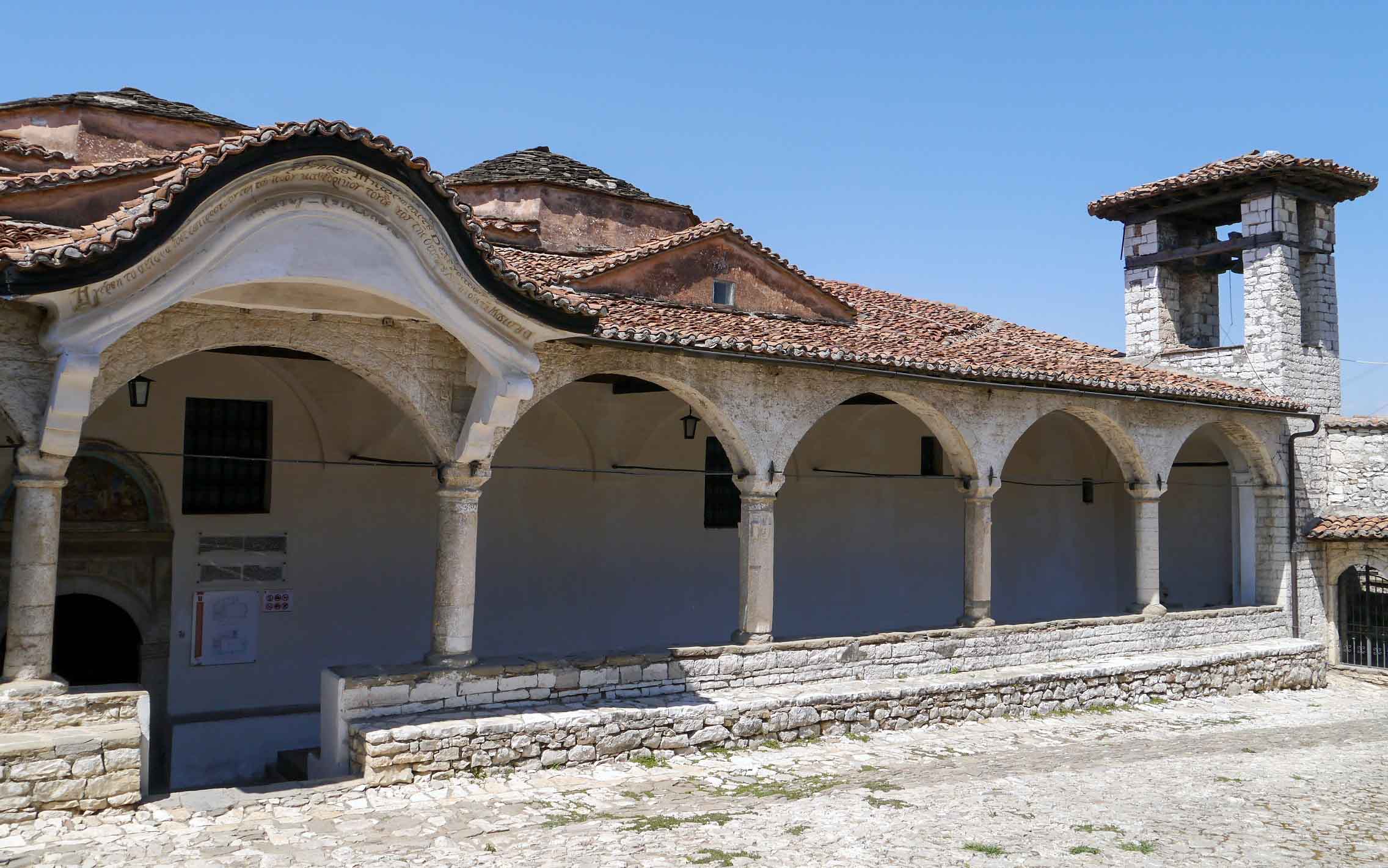
The cathedral, which was built in 1797 on the foundations of a 10th-century chapel, is a prime example of post-Byzantine architecture in Berat. The most striking feature of the cathedral is its Iconostasis, a wall of icons and religious paintings that separates the nave from the sanctuary. It is considered to be one of the finest works of Albanian woodcarving masters in the 19th-century.
Another museum that is worth visiting in Berat is the Ethnographic Museum [Muzeu Etnografik]. It is located in a traditional 18th-century building called çardak, which was mainly constructed for the landowning classes who resided in the city and earned a living by renting out their estates. The museum provides a glimpse into the lifestyle and daily traditions of the city’s residents through various exhibits and displays. It was established in 1979 and has since been a popular destination for visitors interested in learning more about the local culture and heritage.
The lower level of the building resembles a traditional medieval bazaar lined with local crafts of the time, including embroidery, woodcarving and metalwork. On the upper floor, there are separate rooms for guests, bedrooms, and a kitchen. The Chamber of Men features a unique mezzanine where women could observe male guests without being seen. Women were only allowed to enter this room to serve the guests.


Byzantine Churches and Ottoman Mosques
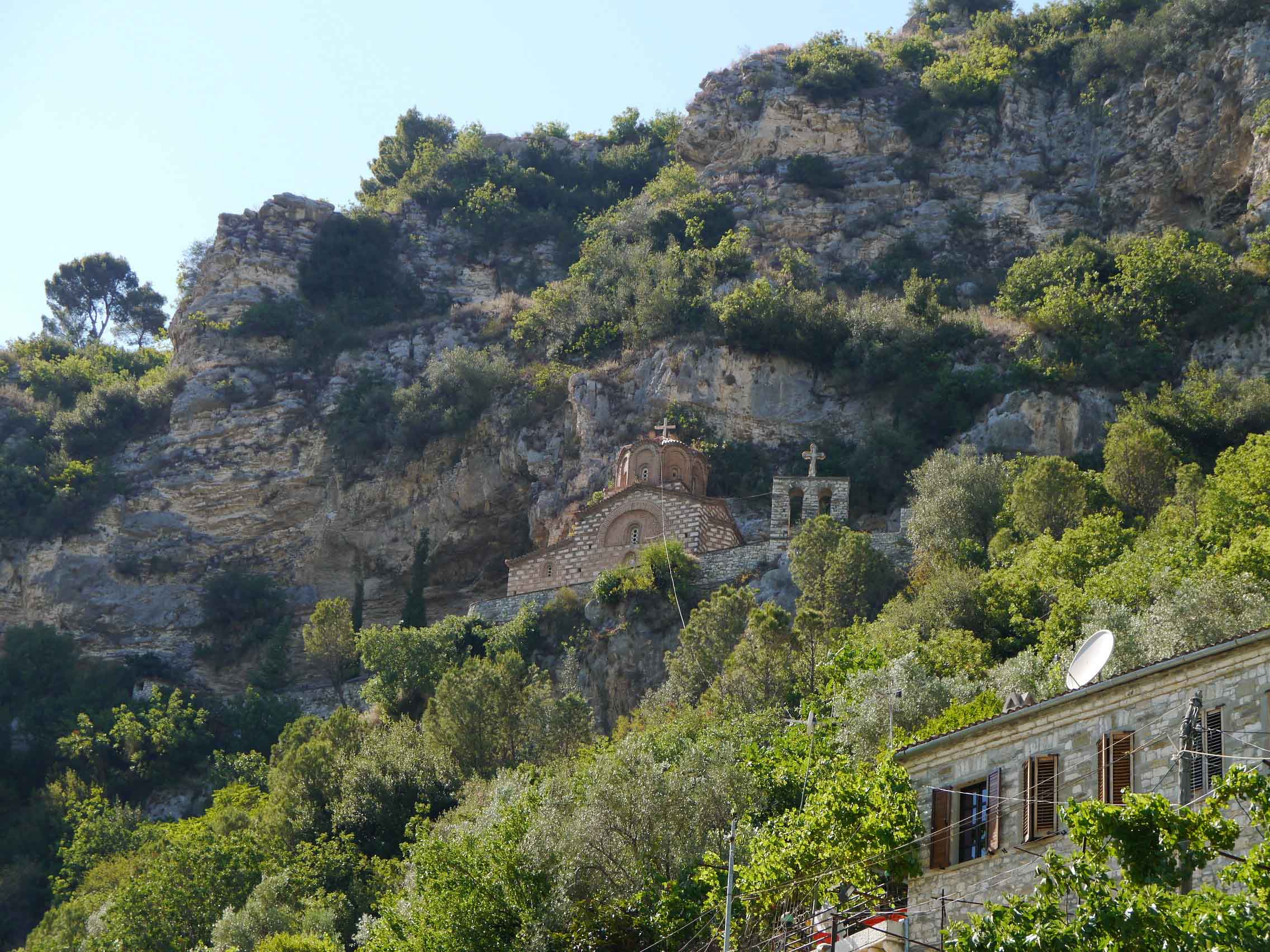
In addition to the aforementioned Cathedral of the Dormition of St Mary (now Muzeu Onufri), there are several Byzantine churches located within the walls of the castle that are typically locked. These include the artfully positioned Church of St Michael [Kisha e Shën Mëhilli] which sits on a cliff ledge at the southern end of the castle, and Church of Holy Trinity [Kisha e Shën Triadha] which features two stone columns believed to have come from an ancient ruin. The Church of St George [Kisha e Shën Gjergj] was originally built in a monastery style, but in the 1980s, the upper part of the church was demolished and rebuilt to resemble a traditional Berat-style house.
The Ottoman era also left its imprint on the city, but unfortunately, only a few remnants of the 15th-century mosques in the castle, White Mosque [Xhamia e Bardhë] and Red Mosque [Xhamia e Kuqe], including ruined walls and the bases of the minarets, have survived. The 19th-century Bachelors’ Mosque [Xhamia e Beqareve], situated by the Osum River in Mangalemi, was constructed for the Bachelors’ guild, which united unmarried artisans. The guild members had an additional responsibility at night; they served as guards for the city. The mosque features an unusual painted decoration on its facade.


Surrounding Mountains
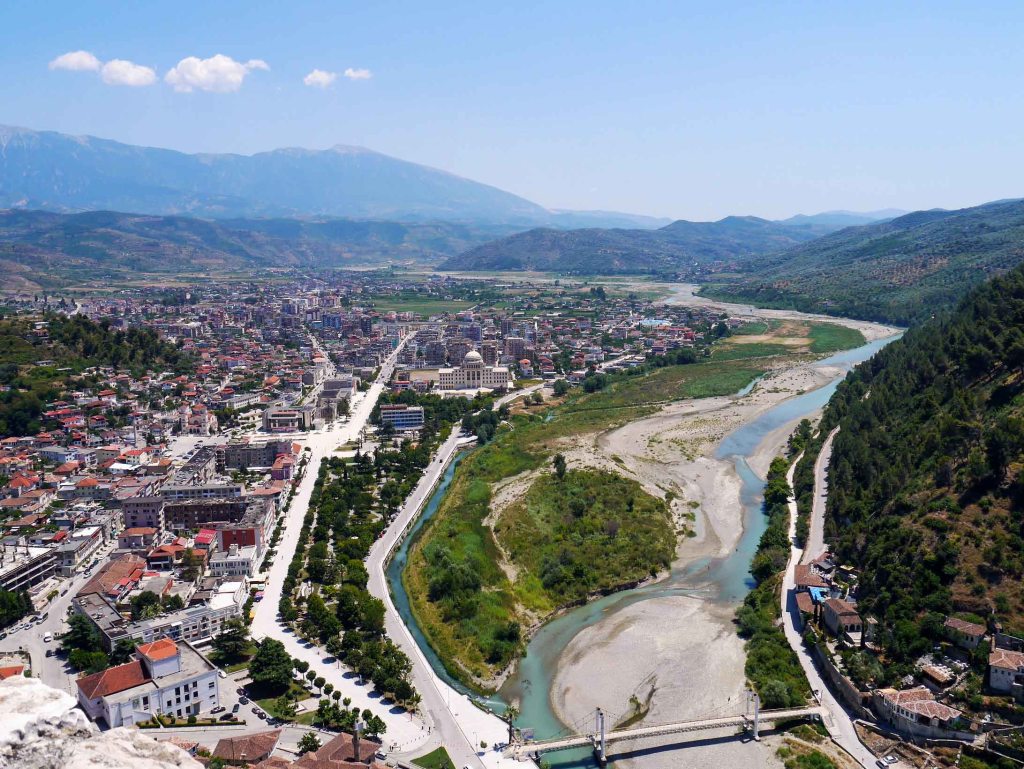
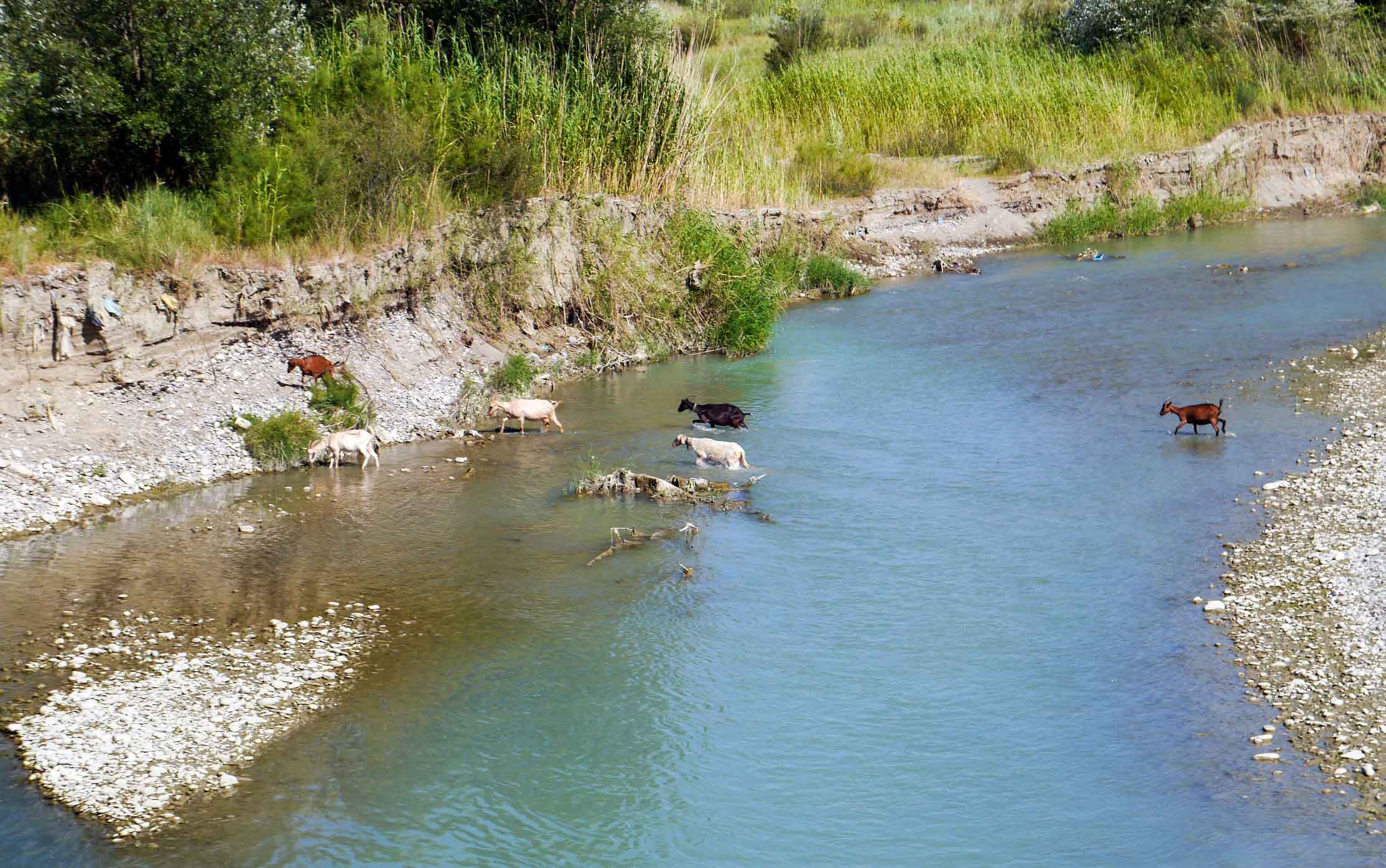
Berat is a city situated amidst a beautiful natural landscape, nestled along the banks of the Osum River and encircled by the rugged Tomorr and Shpirag mountains. The city’s stunning landscape offers a wide range of outdoor activities for nature enthusiasts, including mountain climbing, hiking, rafting, and kayaking.
In addition to its natural beauty, Berat is also steeped in rich history and folklore. According to an Albanian legend, the city’s surrounding mountains were formed from a tragic love triangle between two brothers, Tomorr and Shpirag, and a girl named Osum. The two brothers both fell in love with the same girl, Osum. She loved them both as well, which led to a fight between the brothers. Tomorr ended up cutting Shpirag into pieces with his sword, but Shpirag retaliated by throwing stones at Tomorr. After killing each other, they became the mountains Tomorr and Shpirag. If you look carefully, you can see that Mount Tomorr has a surface full of holes, while Mount Shpirag is full of ravines. Osum was devastated by the tragedy and cried endlessly, forming the Osum River that flows between the two mountains.


Sources
https://albania.al/destinations/berat/
http://www.muzeumet-berat.al
https://albania.al/activity/culture/onufris-red/
https://invest-in-albania.org/albanian-legend-the-legend-of-osumi-river-and-mount-of-tomorr/
Astin, A. E. et al. (Eds) (1998) The Cambridge Ancient History: Rome and the Mediterranean to 133 BC
Fine, John (1994) The Late Medieval Balkans: A Critical Survey from the Late Twelfth Century to the Ottoman Conquest
 Trespasser-on-Earth