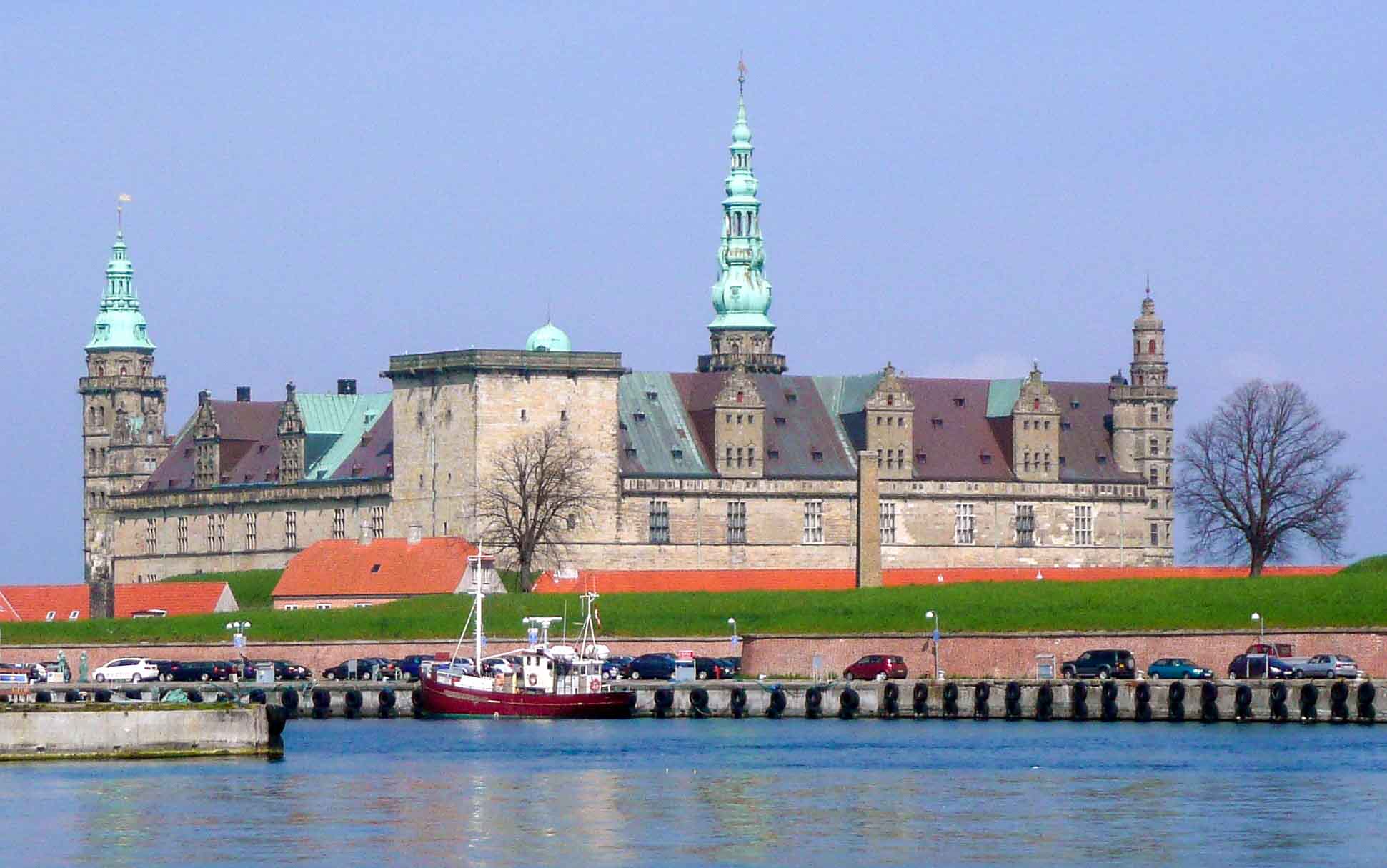
Helsingør is a historic port city on the Øresund strait, best known for Kronborg Castle, a magnificent Renaissance fortress that inspired the setting of Shakespeare’s Hamlet.
Helsingør’s prosperity lies in its location: it is situated on the northeastern tip of the island of Zealand, at the narrowest point of the Øresund (4 km), a strait which forms the Danish-Swedish border and connects the Baltic Sea with the North Sea. The town was a center of international shipping in the 1400s, when the Polish King Erik of Pomerania (1381 or 1382–1459) imposed a transit fee on every ship wishing to enter or leave the Baltic Sea. This meant significant tax revenues for the town.
Erik of Pomerania ruled the Kalmar Union from 1397 until 1439. The union was an alliance between Denmark, Norway, and Sweden from 1397 and 1523, which united them under a common monarch while allowing them to retain their boundaries, laws and policies. Its primary aim was to counterbalance the power of the Hanseatic League, a powerful medieval trade and defense association of merchant guilds and market towns in northern Europe. After his dethronement in 1439, Erik of Pomerania moved to the Swedish island of Gotland, where he became a pirate and is known as “the last Baltic Viking”.
In 1875, the taxation of ships was abolished, causing a temporary economic decline in the town’s prosperity.
Most visitors today primarily go to Helsingør to see Kronborg Castle. The city is also home to several museums, galleries, and Gothic churches. The city’s beautiful waterfront areas, such as Snekkersten and Hornbæk, are also popular destinations for tourists and locals alike, particularly during the summer months. Helsingør is also easily accessible from nearby Copenhagen, making it a popular day trip destination for those visiting the Danish capital.
Kronborg Castle
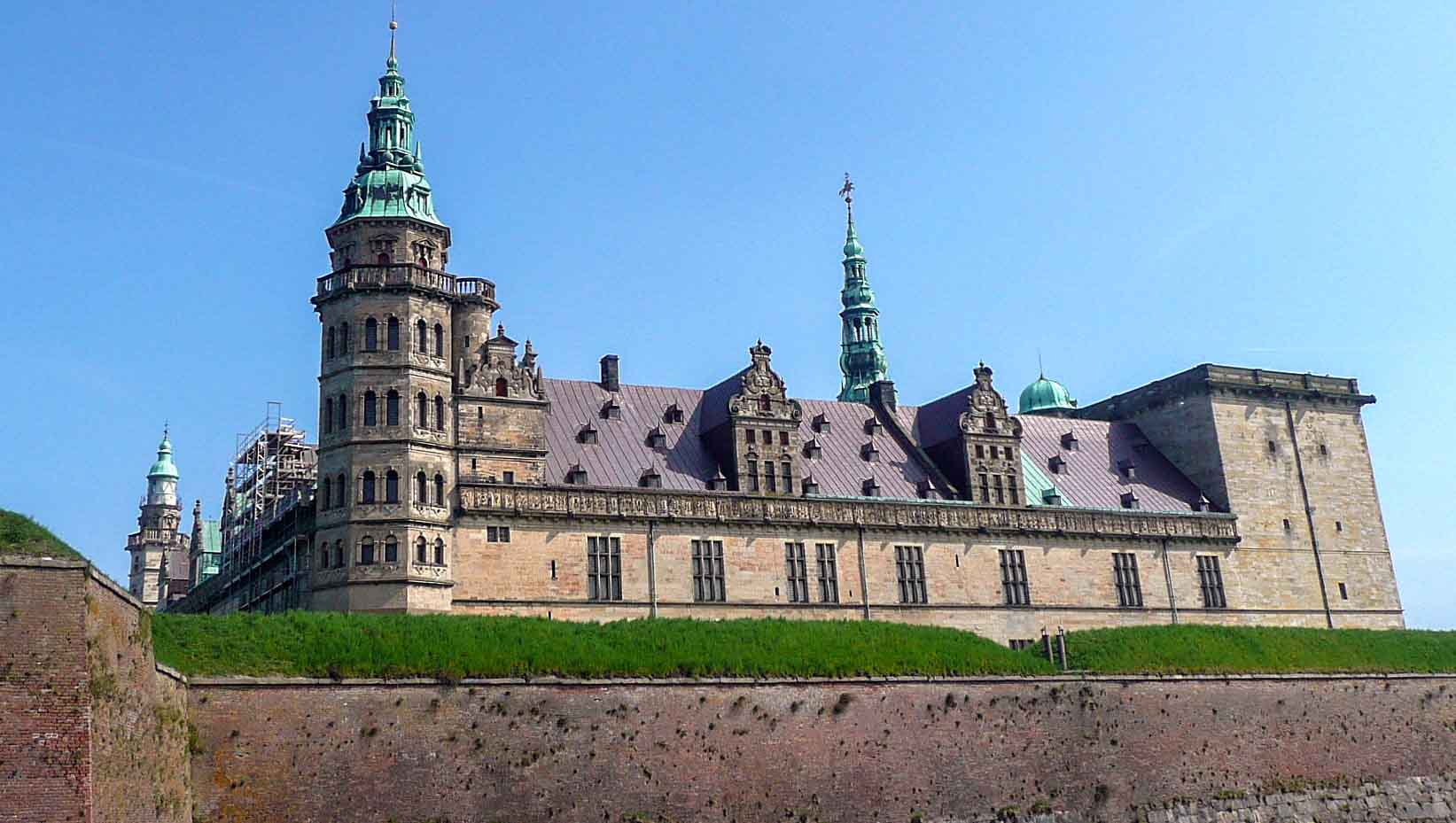
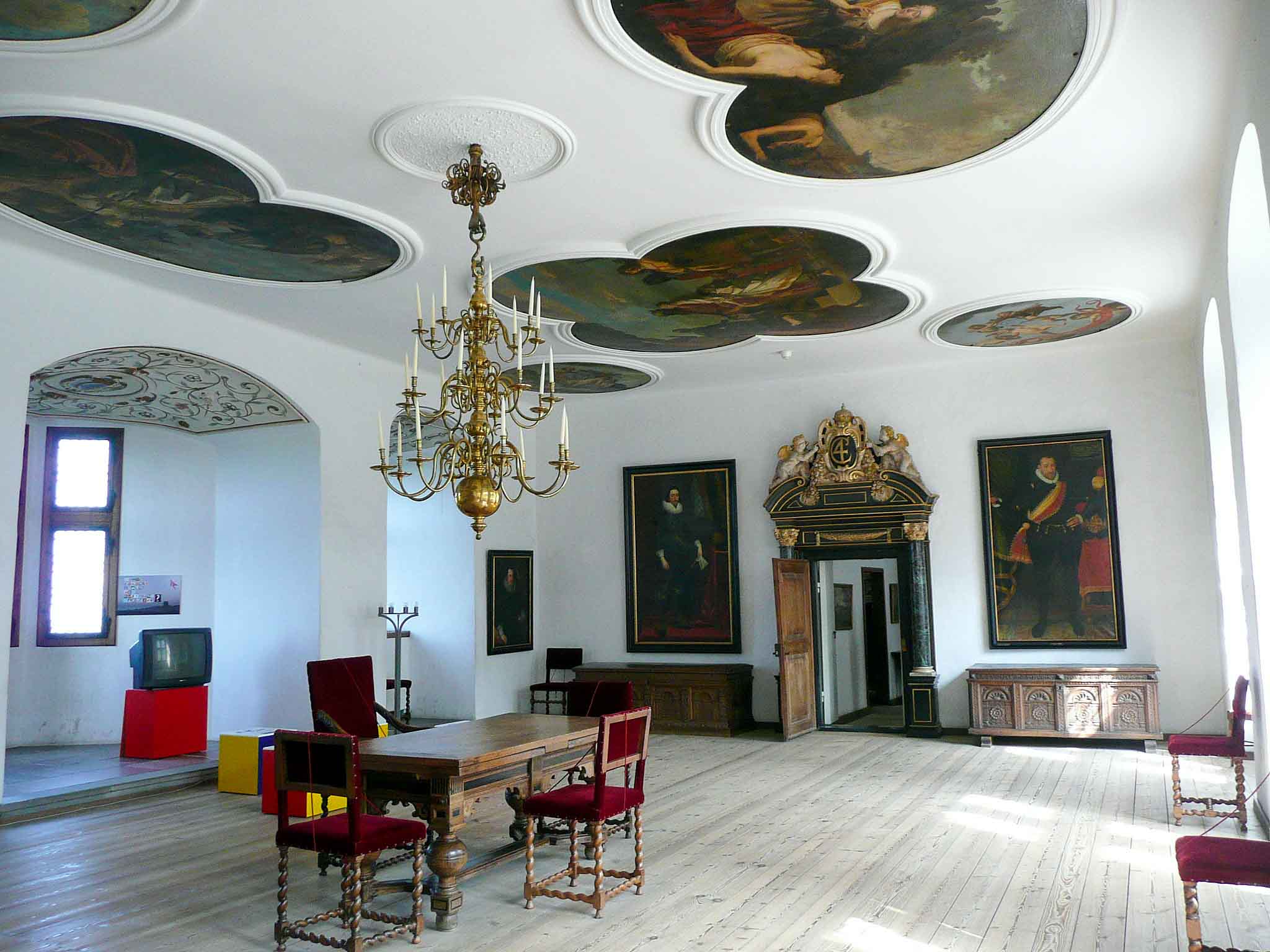
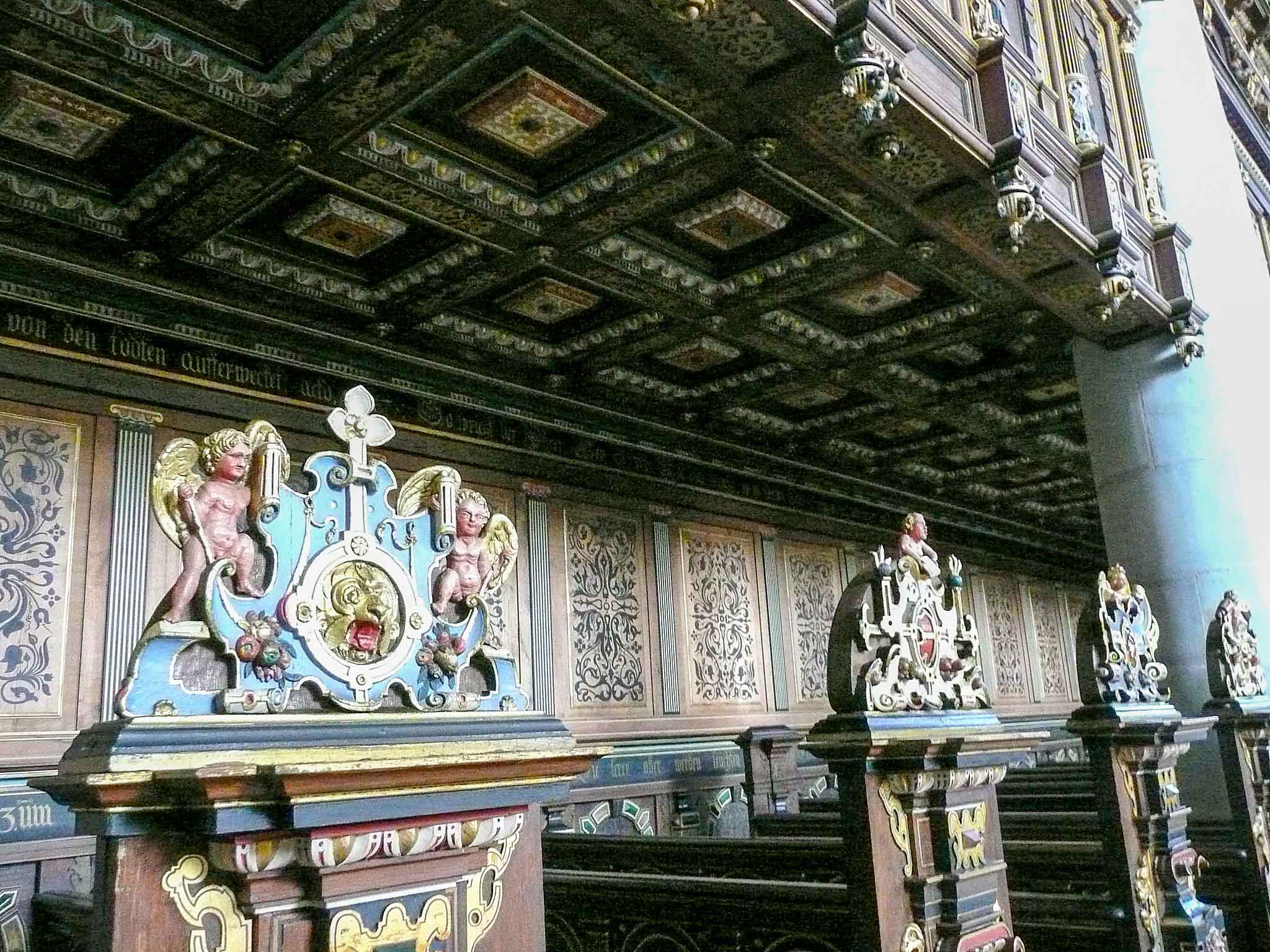
The origins of Kronborg Castle [Kronborg Slot] date back to 1420 when Erik of Pomerania built a strong fortress controlling the Øresund to help enforce his taxation demands. In 1585, King Frederick II (reign: 1559-1588) transformed the castle into an impressive Renaissance palace, after which it acquired its present name. Unfortunately, in 1629, due to the momentary carelessness of two workers, much of the castle went up in flames. King Christian IV (reign: 1588-1648) made great efforts to restore the castle, and by 1639 its exterior had regained its magnificent appearance. However, the interior had never fully regained its former glory. Today, Kronborg Slot is included in the UNESCO World Heritage List. It was added to the list in 2000 for its cultural significance as a Renaissance castle that played a crucial role in European maritime history and literature.
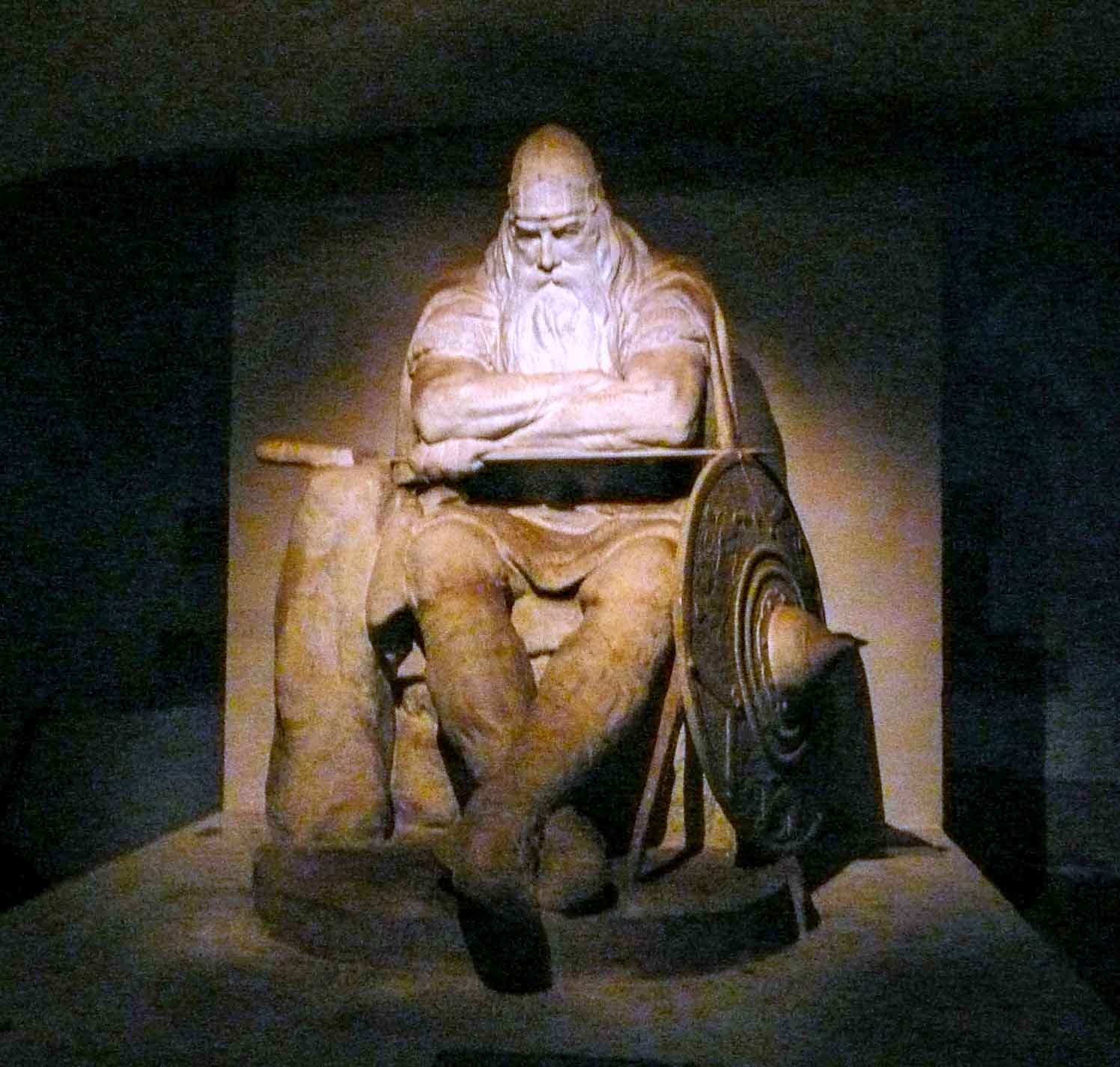
Among the castle’s many features are the Great Hall, which was once the longest hall in Northern Europe, the Small Room with seven tapestries depicting various Danish kings and their achievements, and the Chapel. The castle’s dungeon guards the dream of the sleeping statue of a Viking chieftain, Holger Danske. According to legend, he will wake up if Denmark finds itself in peril.
The castle was used by William Shakespeare as the setting for one of his best-known plays, ‘The Tragedy of Hamlet, Prince of Denmark’ (1601), although he probably never visited it. The play depicts Prince Hamlet and his revenge against his uncle, who killed his father to seize his throne and marry his mother. Shakespeare’s inspiration for the story of the fictional Danish prince may have been the legend of Amleth, a Viking king whose story was recounted in the Danish History [Gesta Danorum] by the 13th-century Danish chronicler Saxo Grammaticus. Hamlet and other works by Shakespeare are performed at the Shakespeare Festival, which is held in the castle every summer. The castle’s association with Shakespeare’s play has contributed to its popularity and cultural significance.
Museums
The Maritime Museum [M/S Museet for Søfart] is located in a dry dock next to the castle and features exhibits related to Danish maritime history and overseas trade.
Marienlyst Castle [Marienlyst Slot], which was the first palace built in the town in 1587 and was used by Frederik II, a bit further from the castle. The current Neo-Classical manor house is the result of extensive remodeling work carried out in the 18th century. The building now houses a hotel and a museum with collections that include paintings and silverware. In the garden, visitors can find a mound known as ‘Hamlet’s Tomb’ that offers great views of the Øresund.
The Town Museum [Helsingør Bymuseum] is located in a former sailors’ hospital, which was built in 1516 by the monks of the neighboring monastery. On display are some of the instruments once used by the monks for brain surgery in the hospital, along with other exhibits related to the town’s past. These include a detailed model of 19th-century Helsingør.
The Øresund Aquarium [Øresundakvariet] hoses a collection of many species taken from the waters of the strait, as well as a variety of tropical fish from around the world.
Gothic Churches
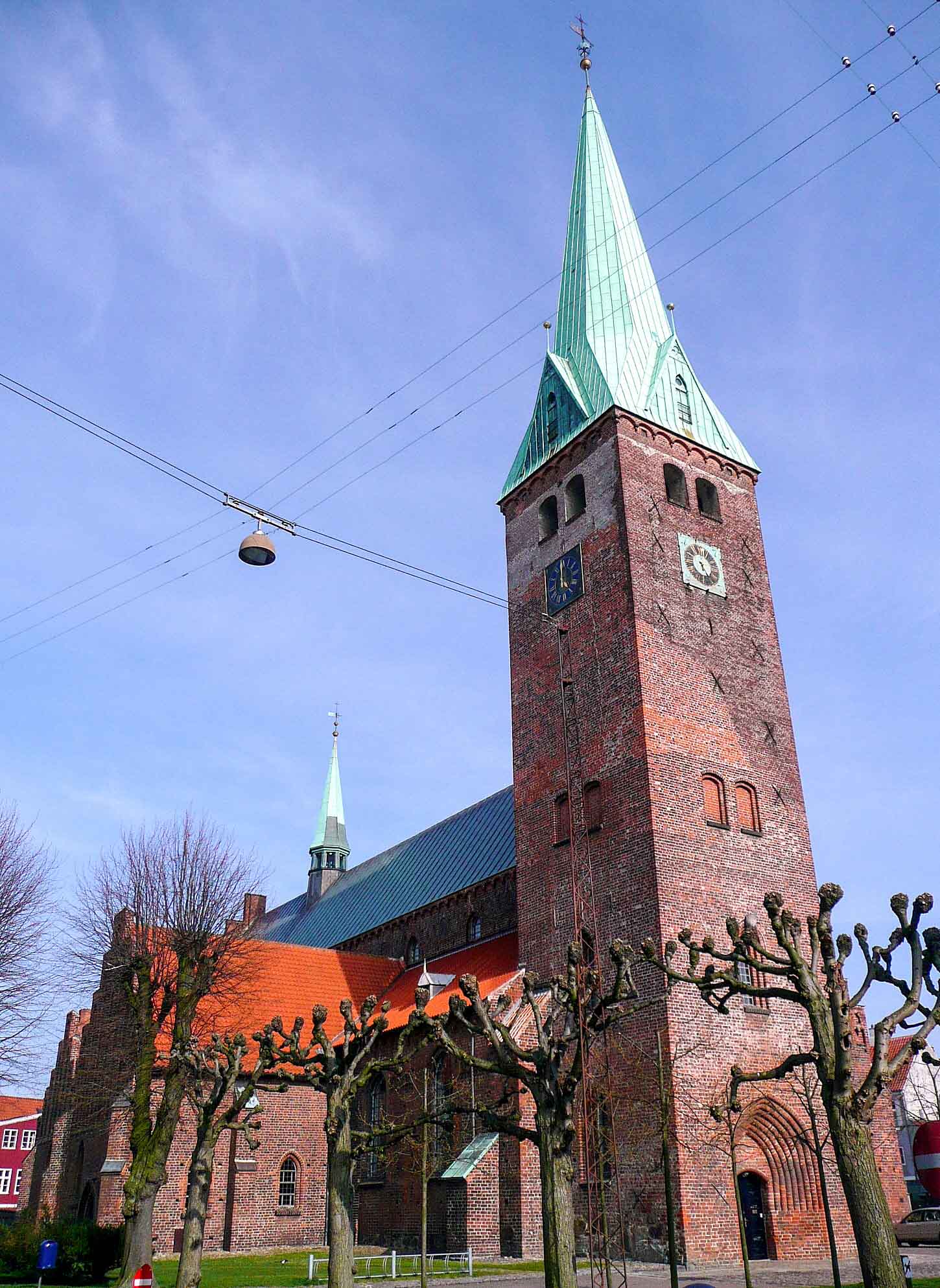
The red-brick St Olaf’s Church [Sankt Olai Kirke] is a Gothic cathedral built in 1559 on the site of a 13th-century church. Its most valuable treasures include a Gothic crucifix, a Renaissance pulpit, and a carved wooden altar. The church also features several elaborate tombstones honoring the wealthy merchants and prominent citizens of the town. In a ceiling vault, above a small organ, hangs a cannonball fired by the British fleet at Helsingør, three days before the Battle of København (1801).
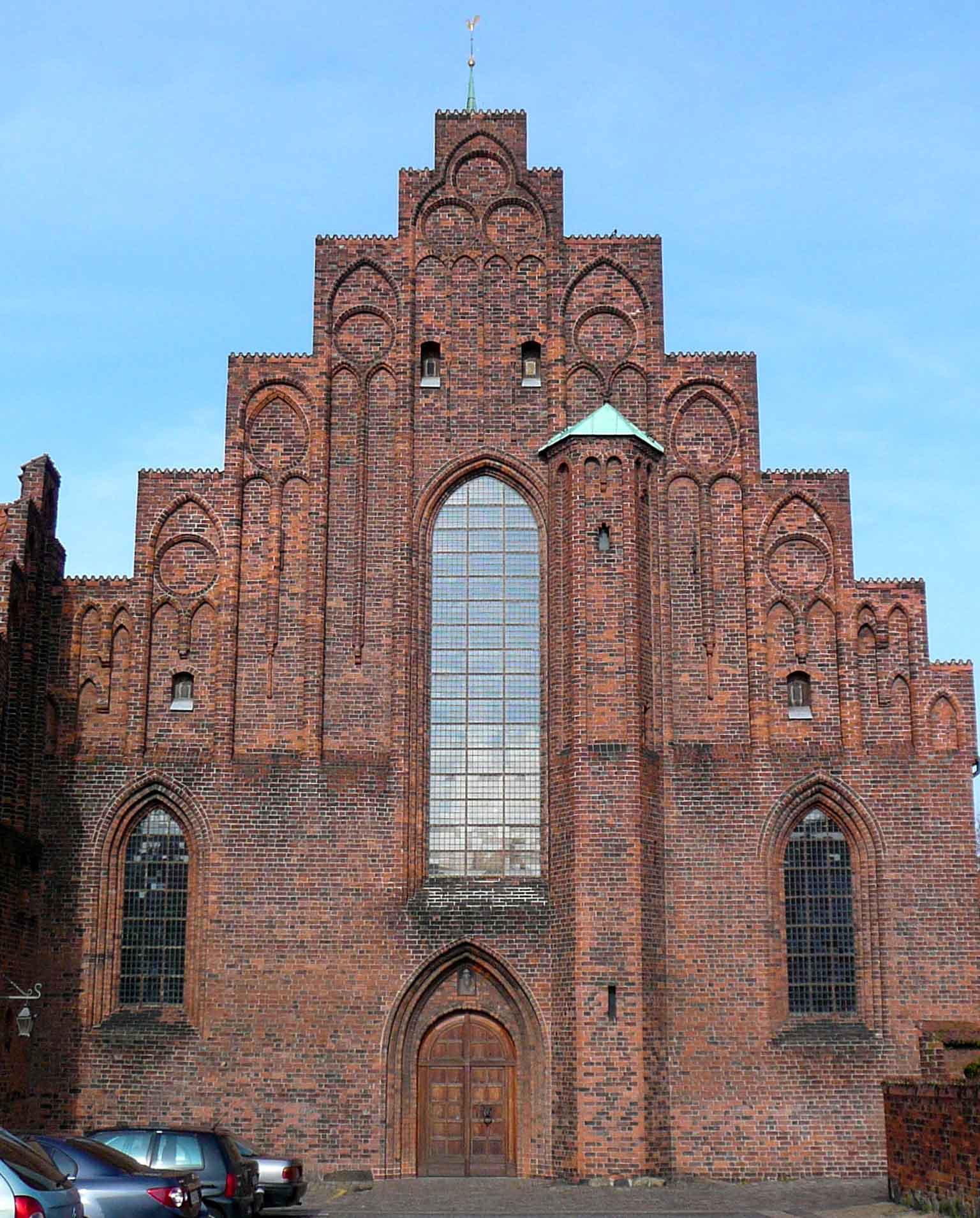
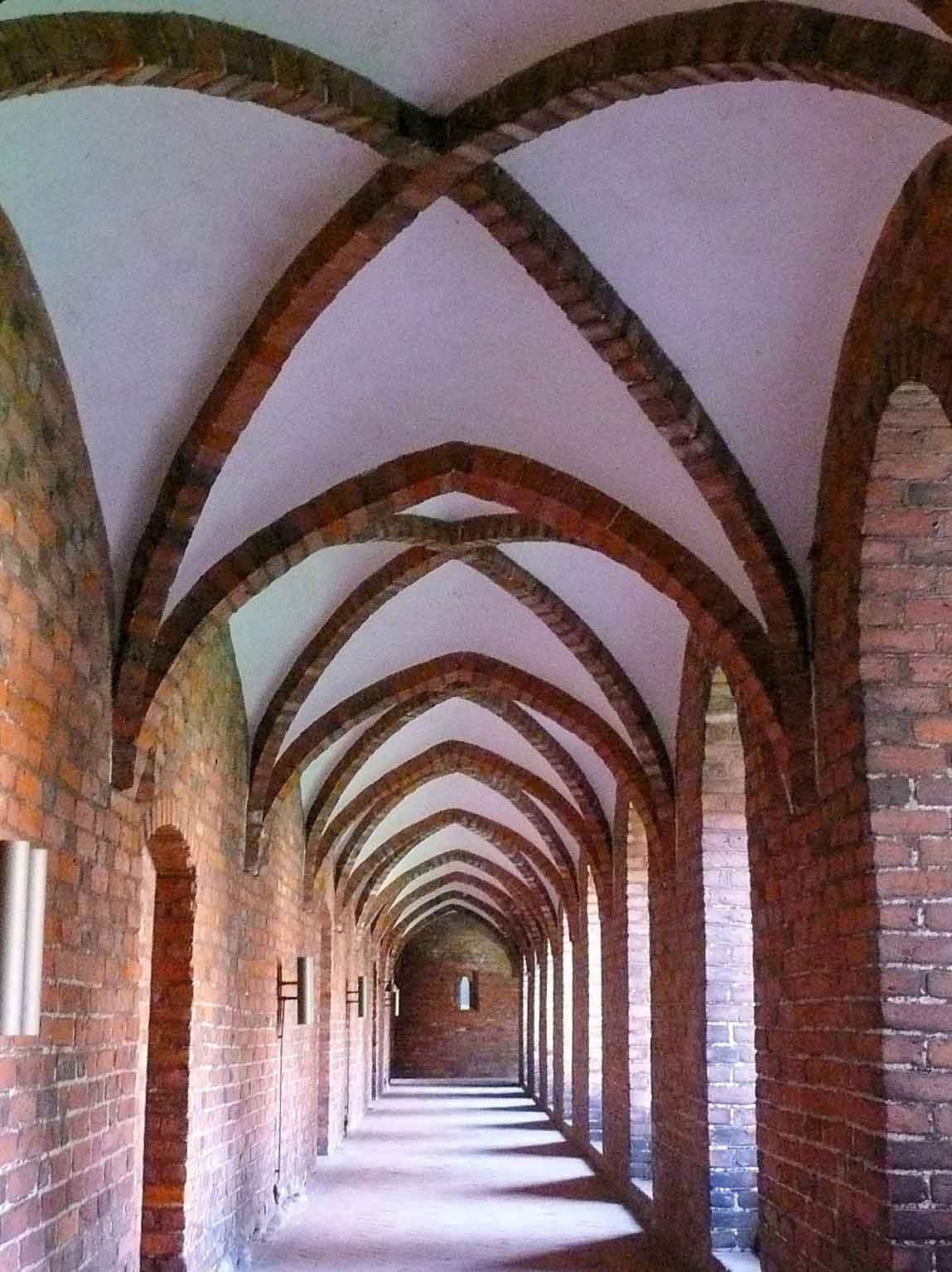
The Gothic building of the Carmelite Monastery and St Mary’s Church [Karmeliterklost eret Sankt Mariæ Kirke] is one of the best-preserved medieval monasteries in Scandinavia. Among its many notable features are the chapterhouse with its barrel vault and the ‘Bird Room’ adorned with ornithological frescoes. The church has rather eclectic 15th-century frescoes decorating its walls. Dyveke, Christian II’s mistress who died in 1517, is believed to be buried in the monastery grounds.
Sources
https://www.visitcopenhagen.com/elsinore
https://www.kronborg.dk
www.oresundsakvariet.ku.dk
www.sctmariae.dk
 Trespasser-on-Earth