
The Finnish Lenin Museum, which is the last permanent exhibit dedicated to the Soviet leader, is situated in the very same place where Lenin and Stalin began planning the Russian Revolution of 1917.
In the mid-20th century, Europe had several museums dedicated to the Soviet leader Vladimir Ilyich Ulyanov, also known as Lenin, but the only permanent Lenin exhibit that remains today is the one in Tampere. The location of the Lenin Museum is especially significant as it is situated in the Tampere Worker’s Meeting Hall, the very same place where the future first and second leaders of the Soviet Union, Lenin (in office: 1922-1924) and Stalin (in office: 1924-1953), met for the first time in a secret meeting of the Bolsheviks in December 1905. The building hosted underground meetings of the Russian Social Democratic Labor Party between 1905 and 1906. It was here that Lenin and Stalin started planning a revolution, which later changed world history.
Following the signing of a peace treaty between Finland and the USSR in 1944, the political climate in Finland shifted towards promoting friendly relations with the neighboring country. As a result, the USSR-Finland Society was established, and the Tampere branch of the society proposed the creation of a Lenin Museum in the Worker’s Meeting Hall. Despite the idea being politically sensitive, it gained widespread support from politicians who recognized the importance of improving post-war relations with the USSR. Stalin’s endorsement of the museum significantly enhanced its prestige and importance, turning it into a politically crucial project for advancing Finno-Soviet relations.
The Lenin Museum was inaugurated on January 20, 1946, a day before the 22nd anniversary of Lenin’s death. This museum was the first one to honor Lenin outside of the Soviet Union and was unique in that it was not operated by a Communist party. The museum’s political significance can be understood from the list of Soviet leaders who visited it during the Cold War. Moreover, the council of Supreme Soviet of the Soviet Union awarded the museum the Order of Friendship of Peoples in 1986. Eventually, in 2014, the Lenin Museum became a part of the Finnish Labor Museum Werstas.
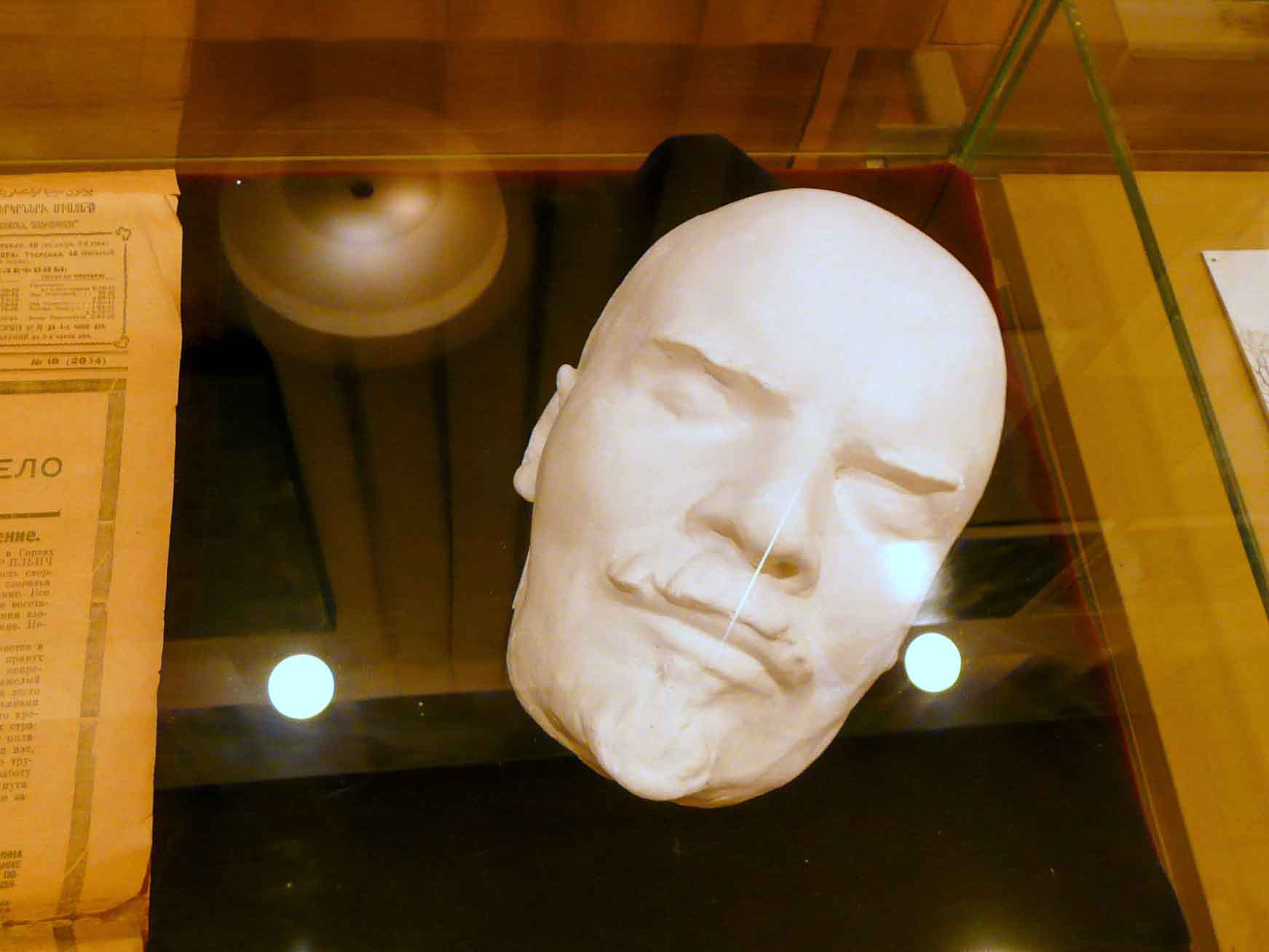
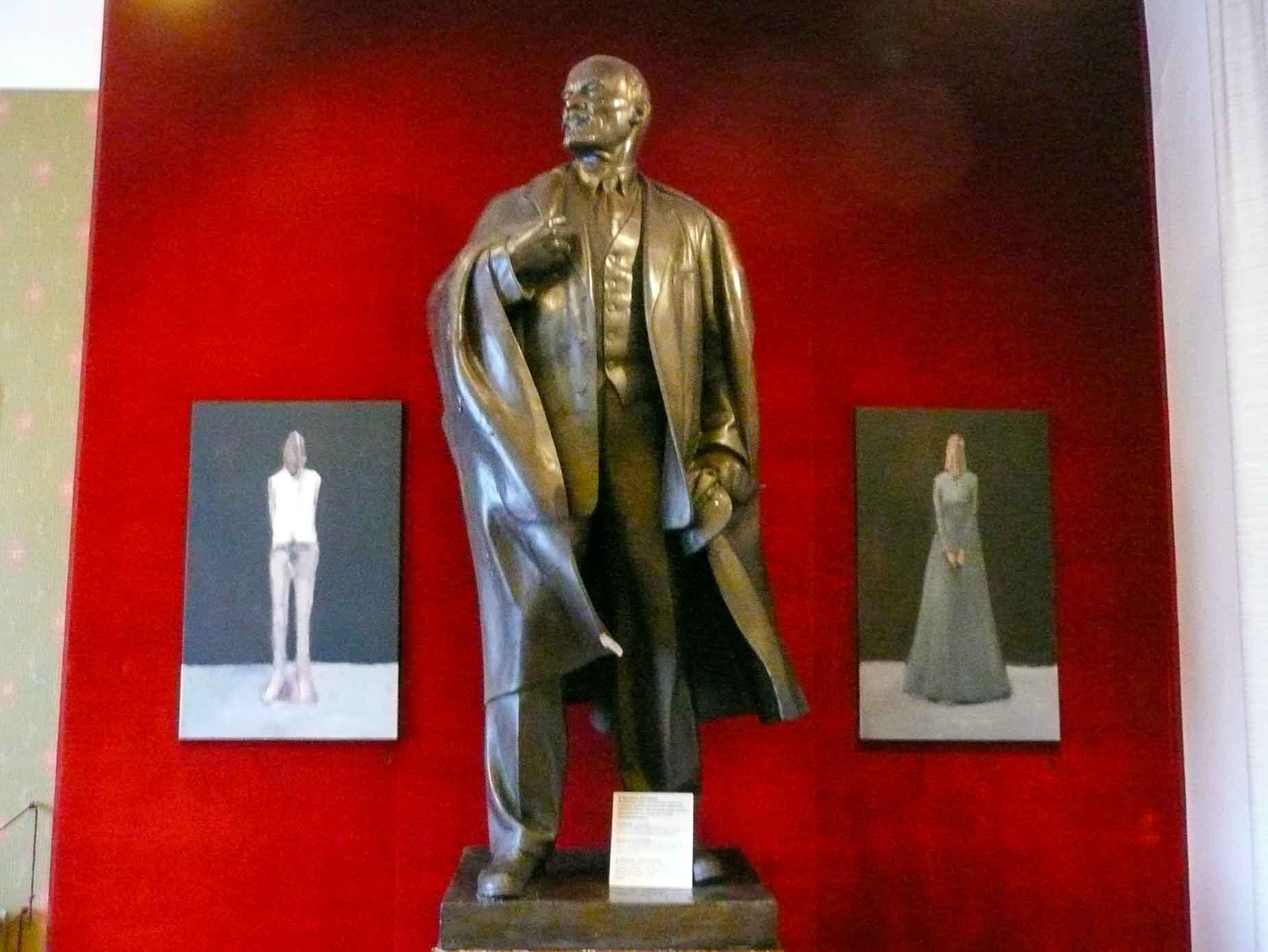
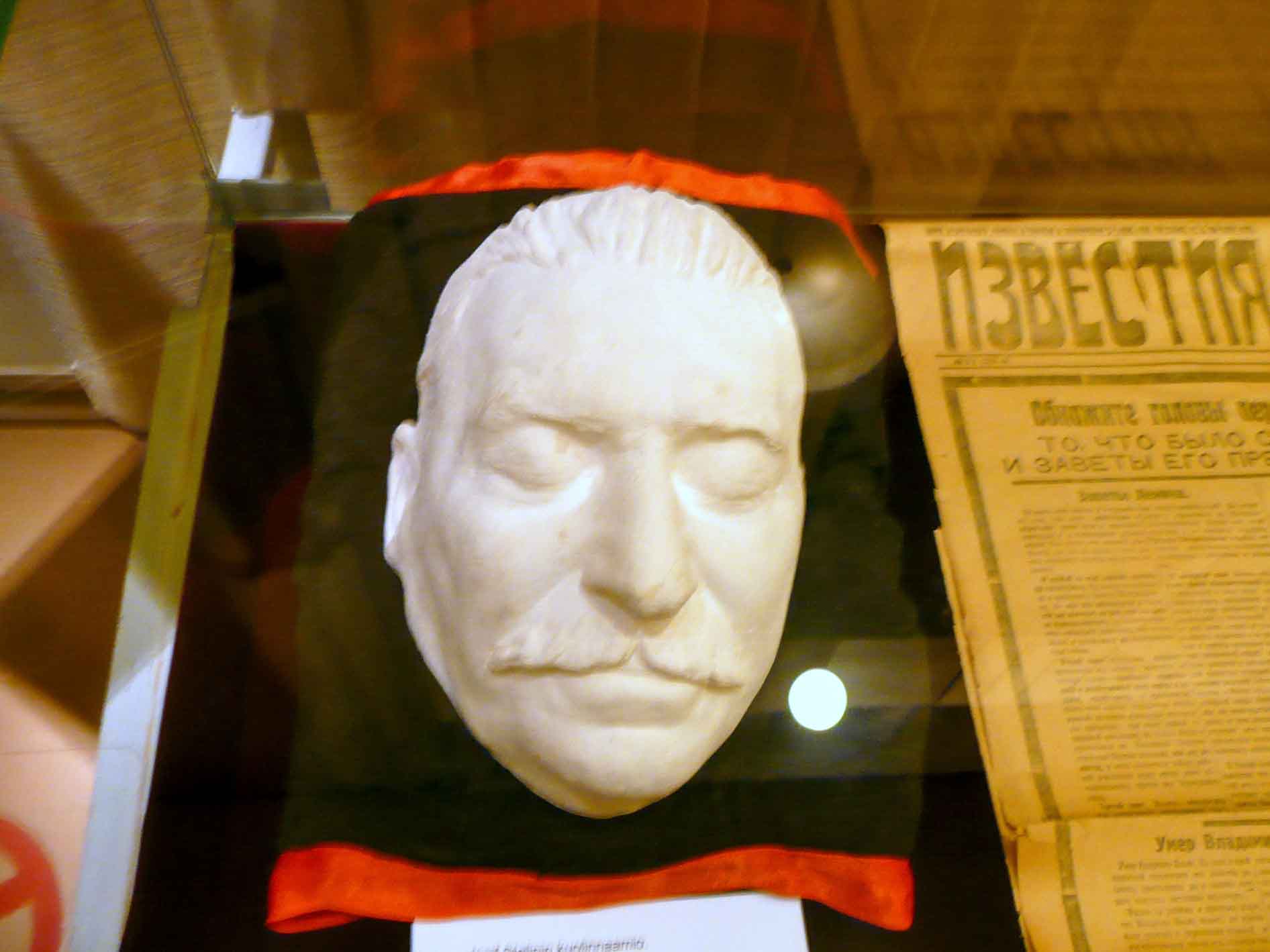
The museum currently has a permanent exhibition displaying artifacts and materials related to Lenin’s life, the rise and fall of the Soviet Union, and the shared history of Finland and the USSR. Following the collapse of the Soviet Union, the museum underwent significant renovation and adopted a more critical approach to historical events. Visitors can see a scaled model of Stalin’s gulag camp, serving as a reminder of the years of terror, and a Soviet joke jukebox, providing comic relief. Additionally, wax figures of Stalin and Lenin are available for visitors to take photos with.
Sources
http://lenin.fi
 Trespasser-on-Earth