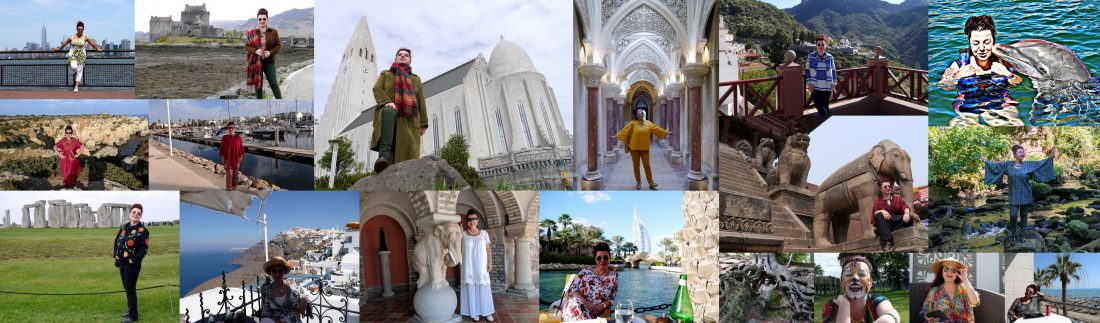
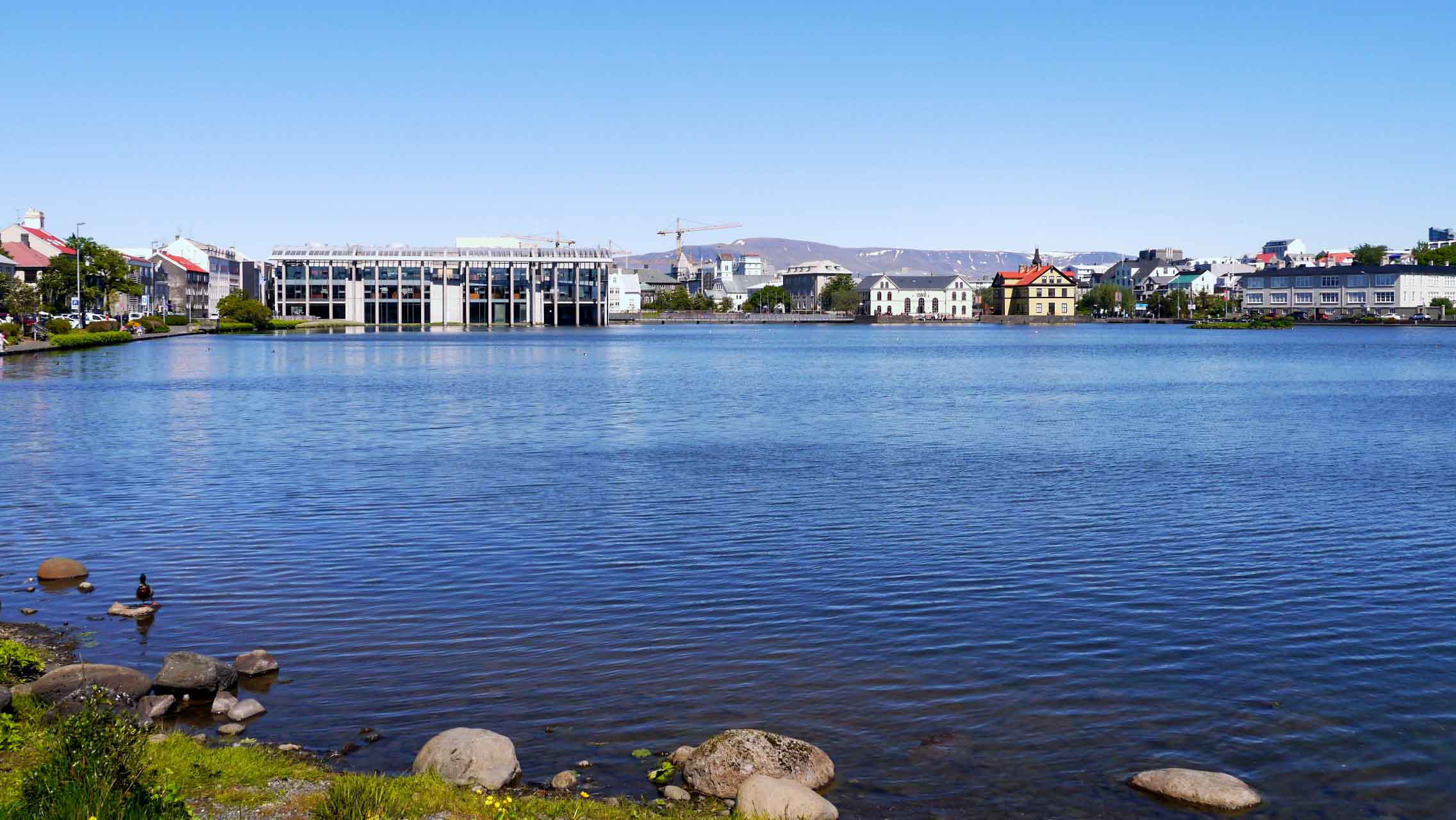
Reykjavík is the northernmost capital in the world and home to some quirky museums.
Contents:
Hallgrímur’s Church
Museums
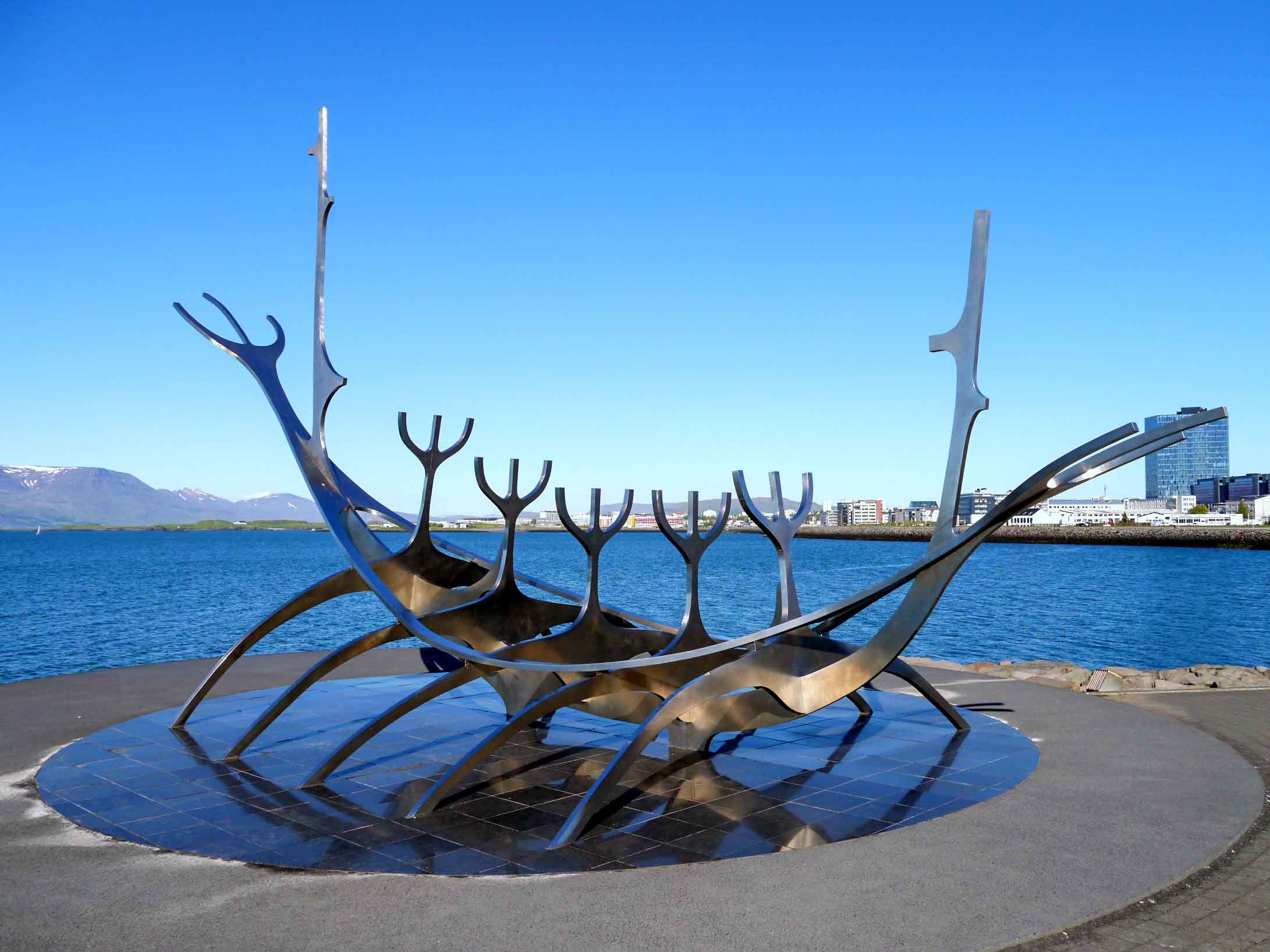
Due to its geographical location, Iceland remained uninhabited for a longer period compared to the rest of Europe. It was eventually settled by the Norse people in the 9th century. The Norse people were a North German ethnic group who lived in Scandinavia in the early Middle Ages. At the end of the 8th century, they embarked on a large-scale expansion toward present-day Britain, Iceland, Greenland, and Russia. Their explorations had three purposes: trading, raiding, and settling down. These Norse people became renowned as Vikings. Notably, they are credited as the first Europeans to discover North America around 1000 AD.
Icelandic settlers were primarily farmers who adhered to Viking customs. They communicated using the ancient Norse language, which has remarkably survived to the present day. The island was operated as an independent commonwealth governed by the National Parliament of Iceland [Alþingi], one of the world’s oldest functioning legislative assemblies. The majority of Icelanders were pagans, practicing the worship of old Norse deities, such as Odin and Thor, although there were also Christians among them. In approximately 1000 AD, under pressure from the Norwegian king, the Icelandic parliament made a legislative decision to formally adopt Christianity through an act of law.
In terms of more recent history, Reykjavík played host to the renowned summit in October 1986 between President of the United States Ronald Reagan (in office: 1981-1989) and Premier of the Soviet Union Mikhail Gorbachev (1985-1991), widely regarded as the catalyst for the eventual conclusion of the Cold War.
Iceland is renowned for its stunning natural landscapes. Reykjavík is a great hub for exploring the city’s breathtaking surroundings, including geothermal springs, all kind of waterfalls, glaciers, otherworldly scenery of volcanic activities, and the rugged coastline. The most popular tour departing from the city is the Golden Circle road trip, known for showcasing Iceland’s most iconic natural wonders. This journey encompasses visits to ancient volcanoes, magnificent waterfalls cascading down with force, and impressive geysers that burst with steaming hot water.
Hallgrímur’s Church
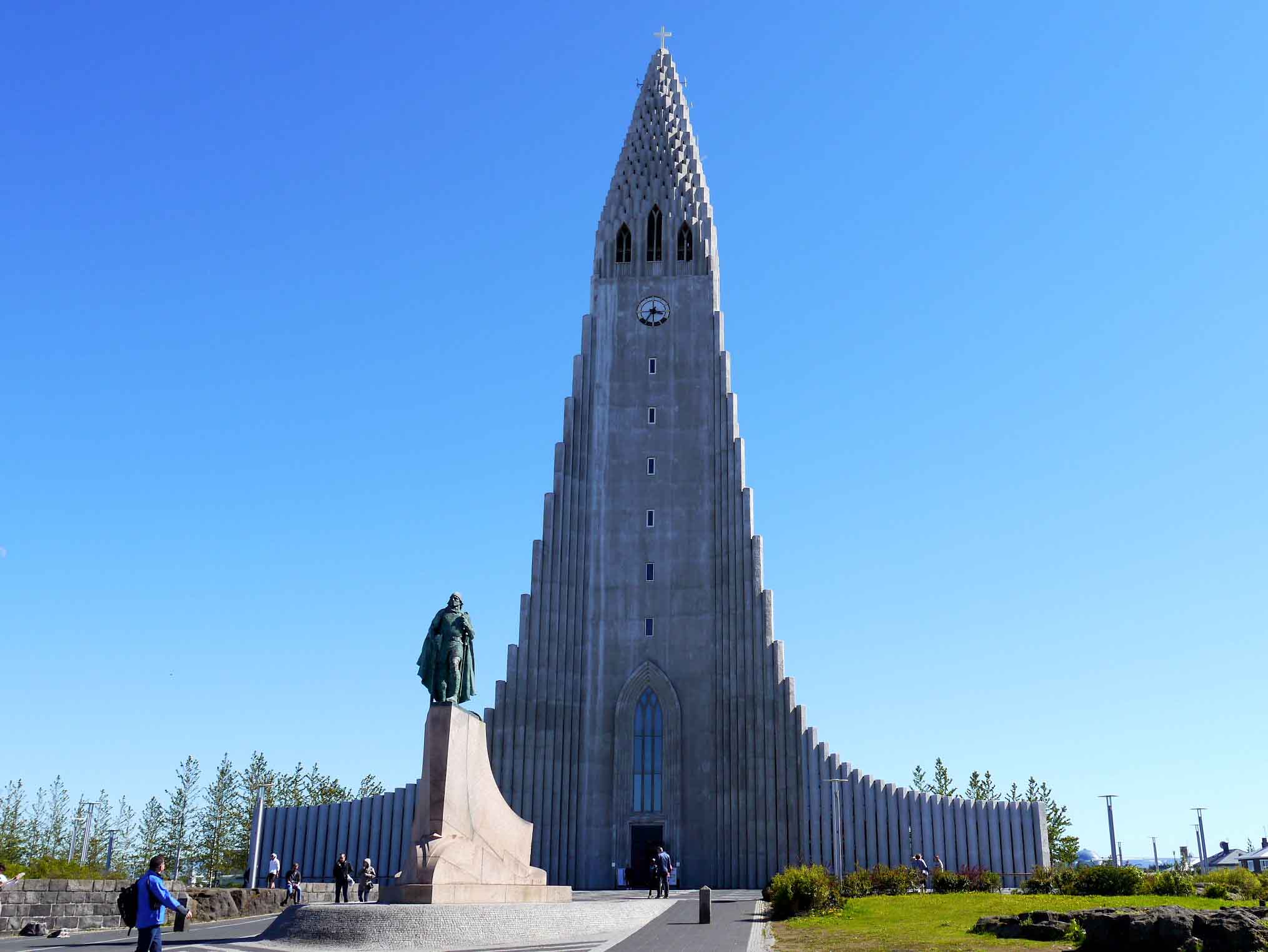
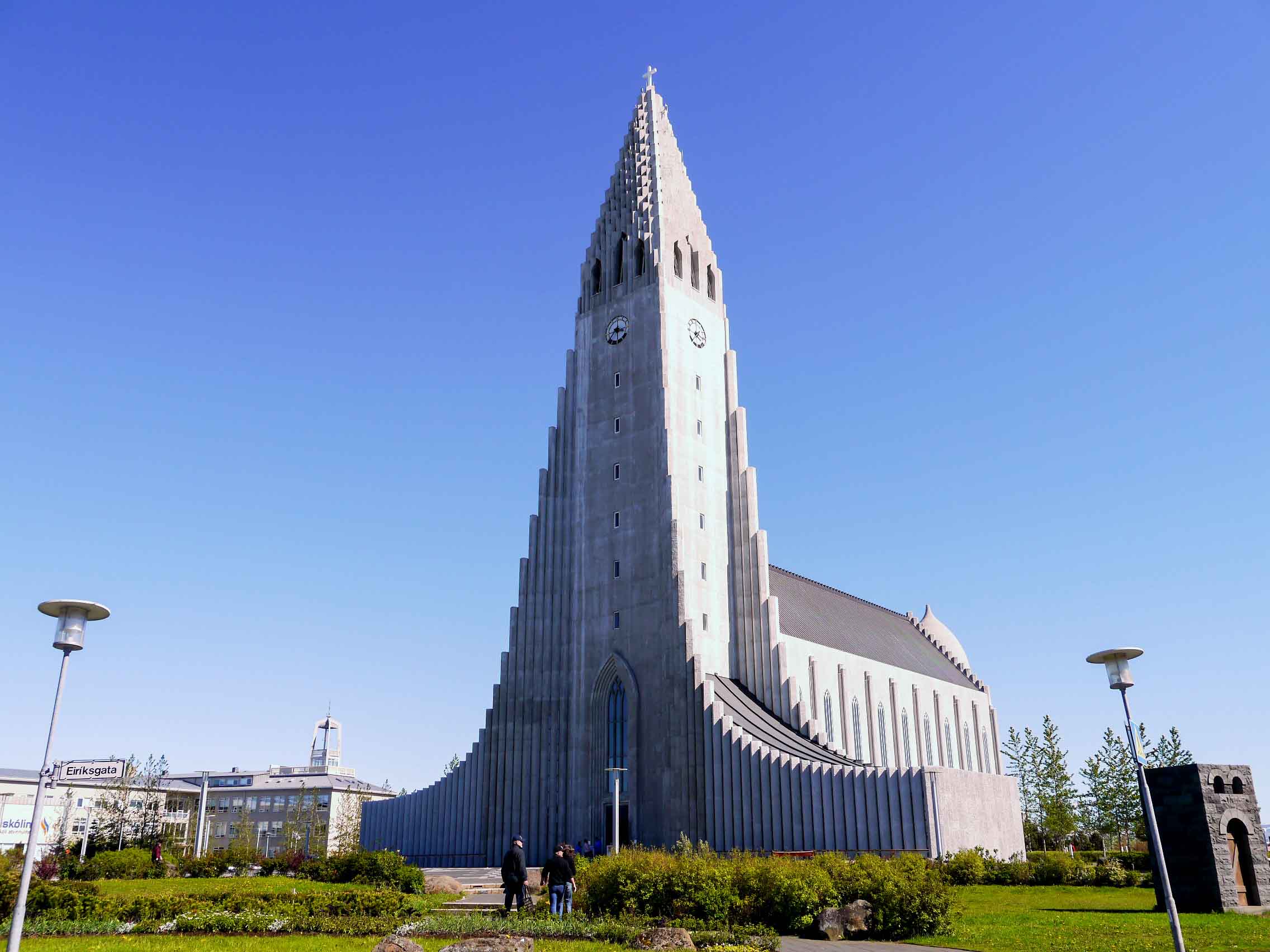
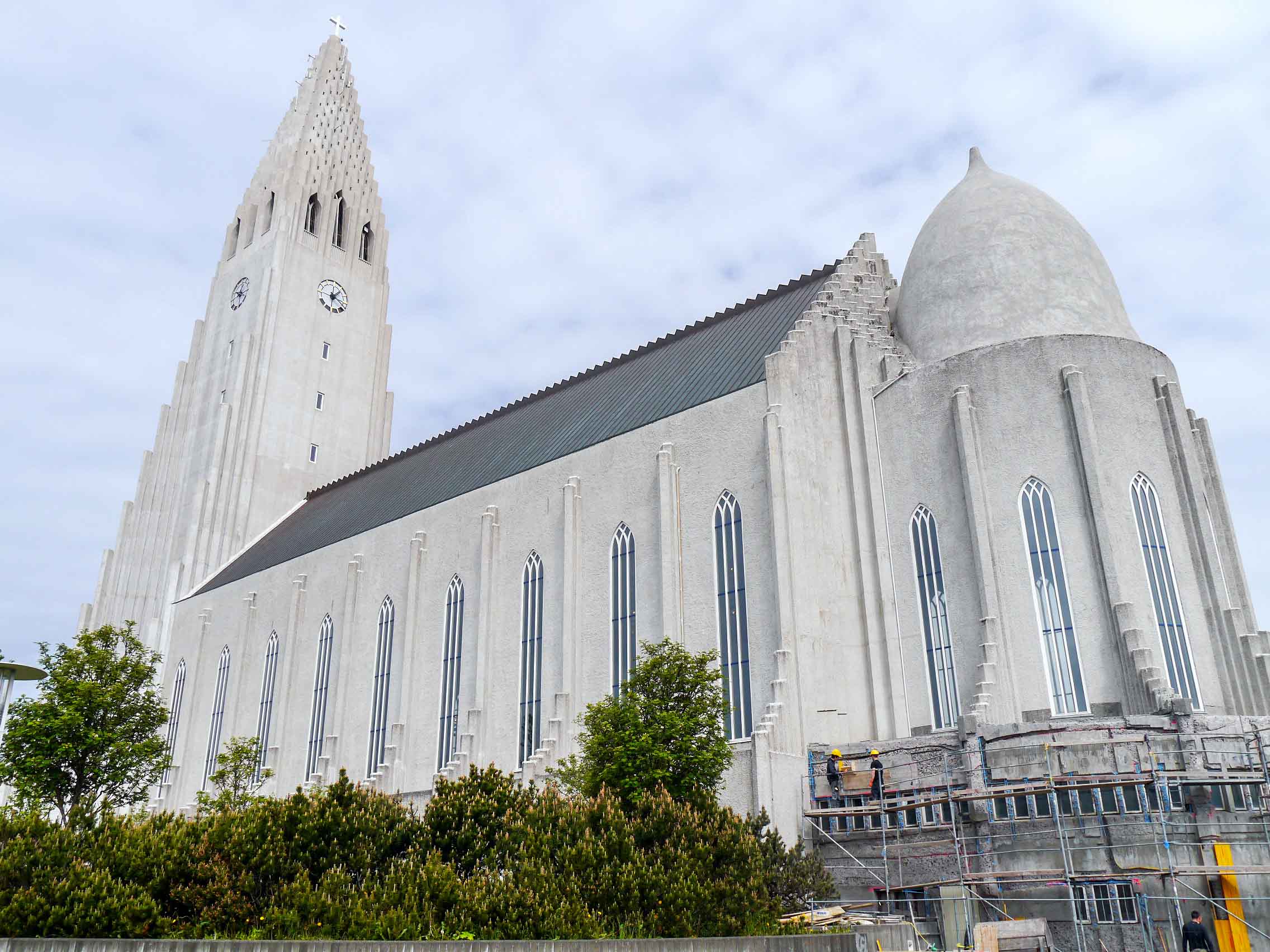
Standing as a guardian over Reykjavík, Hallgrímur’s Church [Hallgrimskirkja] is an imposing white-concrete Lutheran church that was constructed in 1986. It pays homage to Hallgrímur Pétursson (1614–1674), an Icelandic clergyman and poet renowned for composing Iceland’s most beloved hymnbook, the Passion Hymns [Passíusálmar]. The church’s design, reminiscent of the island’s grand volcanic basalt columns, has sparked considerable controversy due to its size and unconventional architecture. Regrettably, its architect, Guðjón Samúelsson, could not witness its completion. In contrast to the high drama outside, the interior of the church exudes simplicity.
Adorning the church’s forefront, with a proud gaze towards the horizon, stands a statue of Leif Erikson (970-1020), an Icelandic Norse explorer who preceded Christopher Columbus by about 500 years as the first known European to discover the mainland of North America. This statue was a present from the United States in 1930, commemorating the 1000th anniversary of the Icelandic parliament.
Museums
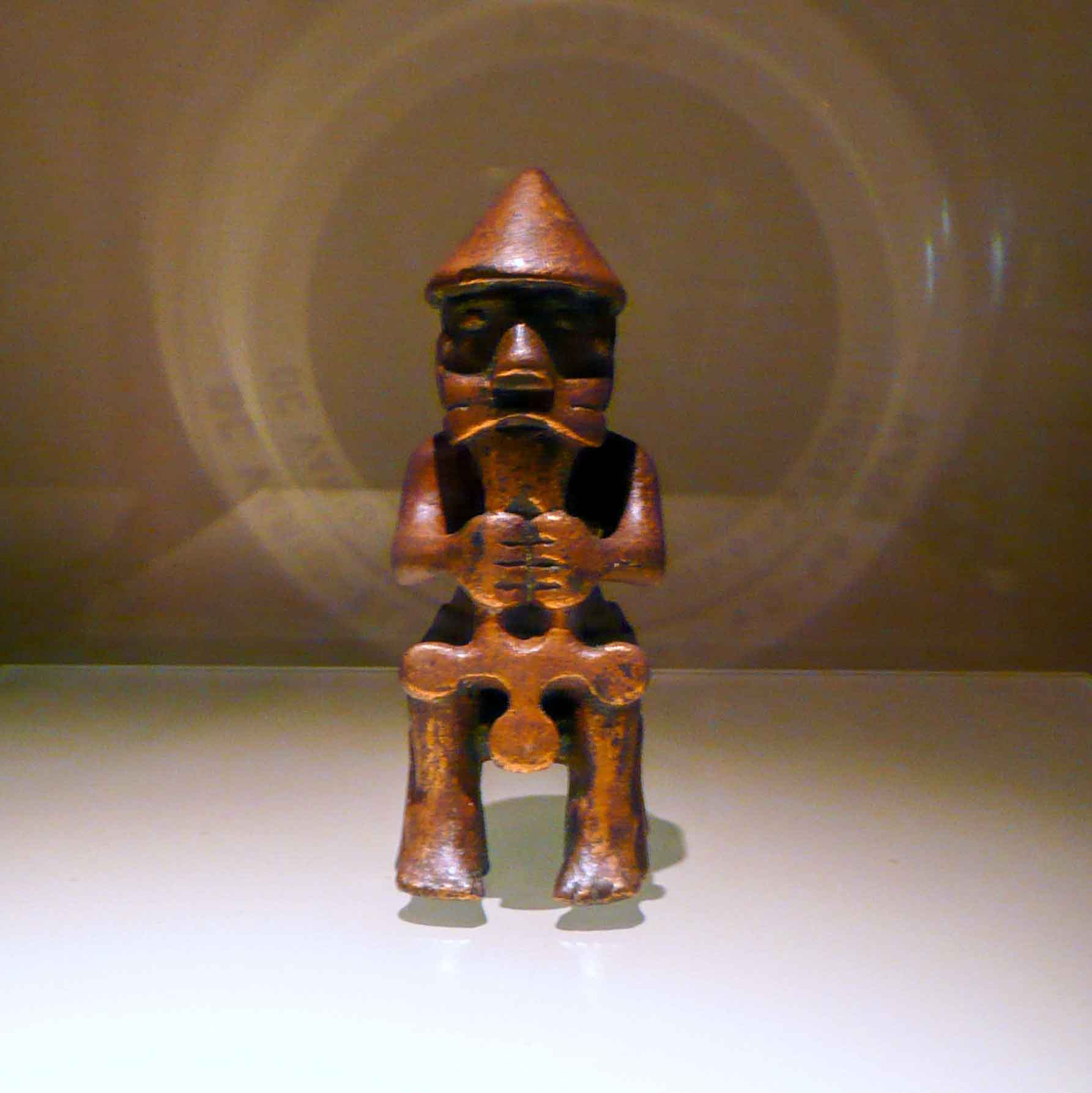
The permanent exhibition ‘Making of a Nation – Heritage and History in Iceland’ at the National Museum of Iceland [Þjóðminjasafn Íslands] provides valuable insights into the history of Iceland from its settlement era to the present day. This exhibition takes visitors on a journey through time. It begins with a depiction of a ship, symbolizing the medieval Norse settlers’ voyage across the ocean to their new homeland, and concludes with a representation of a modern airport, which serves as a gateway connecting Icelanders to the rest of the world. Among the collection’s most intriguing artifact is a small bronze human figure, estimated to be from around 1000 AD based on its style. This figure, believed to depict Thor, one of the prominent Norse gods, holds an object resembling Thor’s hammer. However, the figure’s style also raises the possibility that it represents Christ in glorious enthronement, holding a Christian cross. This fascinating piece serves as a point of interest, as it showcases the intriguing overlap between Norse mythology and Christian symbolism.
At the neighboring Settlement Exhibition, which centers around an excavated 10th-century Viking longhouse, visitors can delve into early Icelandic life. The museum showcases a range of Settlement-Era artifacts discovered in central Reykjavík, complemented by high-tech displays. Meanwhile, the Saga Museum brings the key moments of early Icelandic history to life through dioramas populated with lifelike silicon figures. Notably, the molds used to create these figures were taken from Reykjavík residents, adding an intriguing personal touch. Moreover, visitors have the opportunity to try on Viking costumes provided by the museum, further immersing themselves in the Viking experience.
The Reykjavík Maritime Museum [Sjóminjasafnið í Reykjavík] is situated next to the old harbor in a former fish-freezing plant. From the earliest days, Icelanders have depended on brave fisherman willing to battle the turbulent waves of the North Atlantic. Since the 19th century, the fishing industry has served as the cornerstone of Iceland’s prosperity. The museum delves into the island’s profound connection with the sea, offering insights into its maritime heritage through exhibits featuring historic ships and showcasing the local fishing industry. More specifically, the neighboring Whales of Iceland exhibition presents 23 life-size models representing the various whale species found in Icelandic waters. Each model faithfully replicates the characteristics of an actual whale, capturing their personal characteristics. The experience is heightened by underwater ambient lighting and soothing whale sounds, immersing visitors in the mesmerizing world of these magnificent creatures.
The Icelandic Phallological Museum stands out as a unique museum in the world, showcasing an extensive collection of penises. The collection represents nearly all terrestrial and marine mammals found in Iceland. Highlights include contributions ranging from a tiny mouse through a rouge polar bear to a huge sperm whale. Additionally, the museum proudly displays silver castings of each member from the Icelandic handball team. While the collection features a single human sample, donated by the late mountaineer Páll Arason, there are signed contracts on display from other willing donors who have promised to bequeath their manhood to the museum. In light of these peculiarities, the two old underground public toilets on Reykjavík’s main street, now repurposed as museums, seem less quirky. One is home to the Icelandic Punk Museum [Pönksafn Íslands], while the other houses the Freddi Arcade and Toy Museum.

Sources
https://visiticeland.com/
https://visitreykjavik.is/
https://www.hallgrimskirkja.is/
https://www.thjodminjasafn.is
https://borgarsogusafn.is/en
https://www.sagamuseum.is/
https://www.whalesoficeland.is/
http://www.lej.is/en/
https://phallus.is/en/
 Trespasser-on-Earth