Lezhë is the town where Skënderbeu founded the ‘League of Lezhë’ and where the incredible military leader is buried.
Contents:
Tomb of Gjergj Kastriot Skënderbeu
In ancient times, the Greek founded a colony in Lezhë called Lissos as a way to safeguard the trade routes along the Adriatic coast. Later, the town was the subject of dispute between the Illyrians and the Macedonians, who eventually formed an alliance against the Romans. However, this alliance was not enough to prevent the Roman general Marcus Antonius (83-30 BC) from taking over the town. During the Middle Ages, Lezhë was under the domination of various rulers until it was conquered by Venetians in 1386.
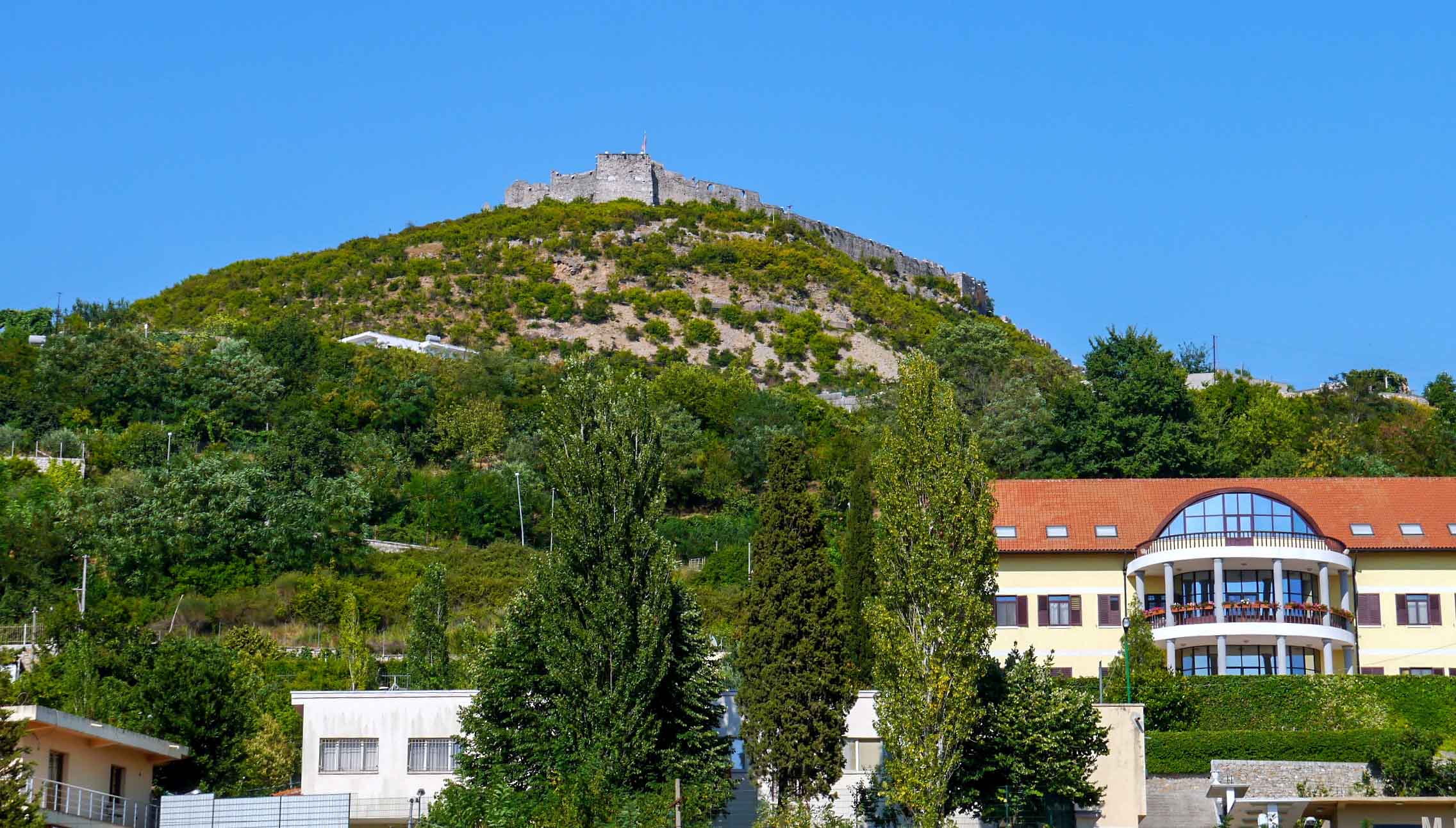
Lezhë’s status as a neutral town under Venetian control made it the ideal location to convene a meeting between Albanian, Serbian, Dalmatian, and other regional lords to unite their forces and resist the Ottoman expansion into the Balkans. This historic event took place in Castle of Lezhë [Kalaja e Lezhë] and the driving force behind the formation of the alliance was Gjergj Kastrioti Skënderbeu (1405?-1468), a prominent Albanian nobleman and military commander who is considered a national hero. The resulting military alliance of 1444, with Skënderbeu as its supreme leader, became known as the ‘League of Lezhë’. As a former Ottoman military officer, Skënderbeu had an intimate understanding of Ottoman tactics and weaknesses, which made him an effective military leader in the resistance against the Ottomans for over two decades.
Most visitors today go to Lezhë primarily to see the Tomb of Gjergj Kastriot Skënderbeu. Although the tomb does not contain the remains of their greatest hero, it holds high significance for Albanians as a symbol of their national identity and pride.

Tomb of Gjergj Kastriot Skënderbeu
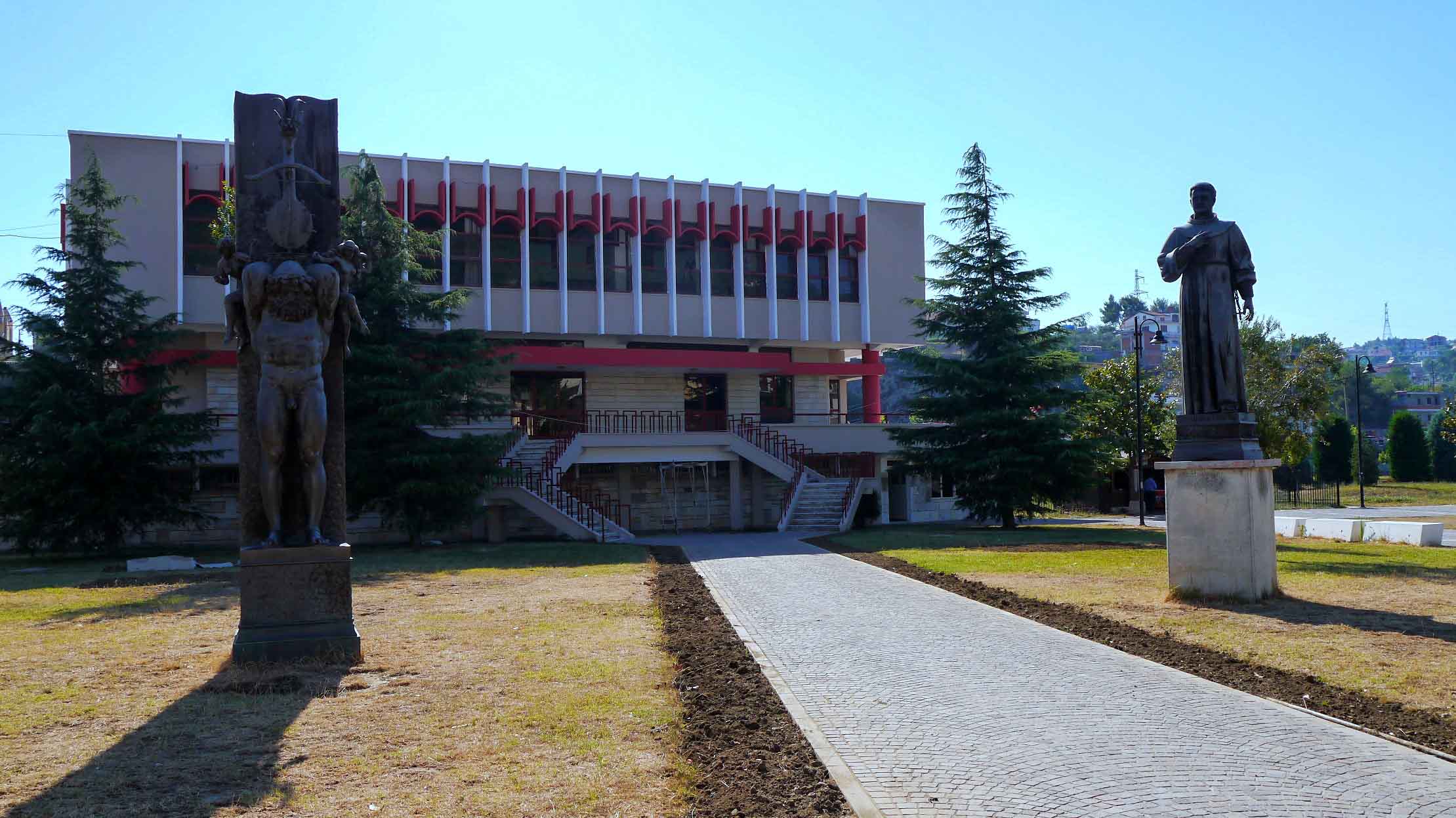
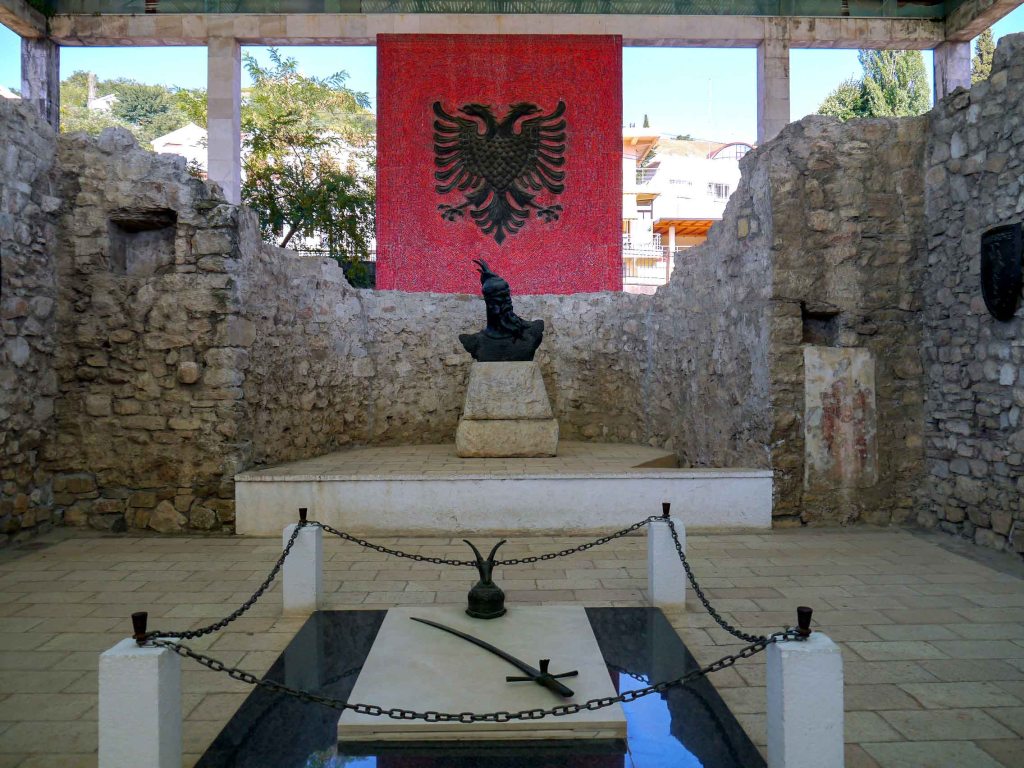
The Tomb of Gjergj Kastriot Skënderbeu [Vendvarrimi i Gjergj Kastrioti Skënderbeu] is a memorial dedicated to the Albanian national hero. According to legend, he was buried in the Church of St Nicholas [Shën Kolli], which once stood at the site, in 1468. The church was later converted into the Selimie Mosque [Xhamia e Selimiye].
It is said that when the Ottomans discovered Skënderbeu’s grave, they opened it and created amulets from his bones, believing that wearing them would grant the wearer invincibility. This legend is a testament to Skënderbeu’s status as a formidable military leader.
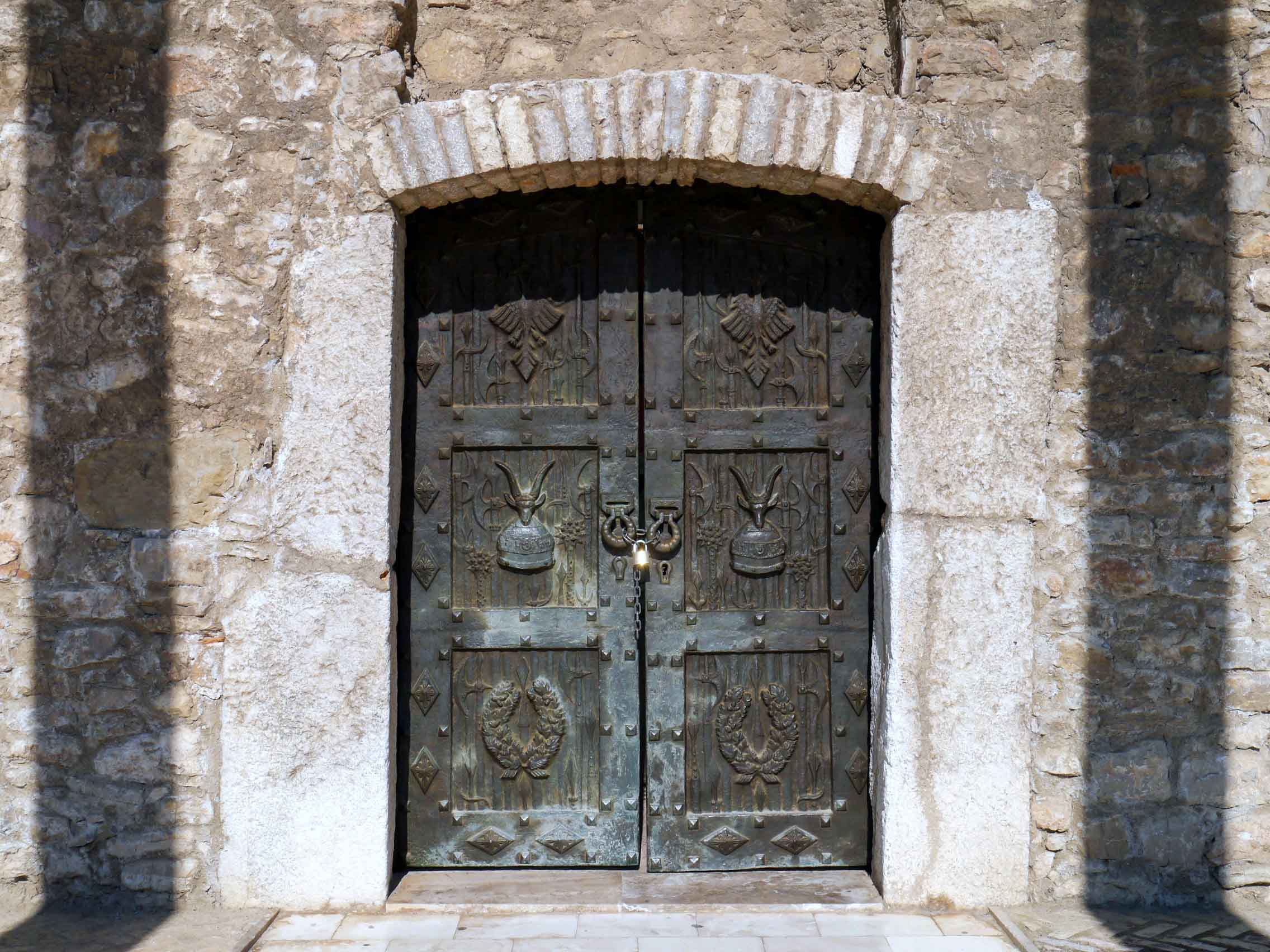
In 1981, during the Communist era, a structure was built over the ruins of the church. Visitors to the mausoleum can admire Skënderbeu’s striking bust, which dominates the space. In addition, on display is a replica of Skënderbeu’s Arms, including his famous goat head-topped helmet and sword. The brick walls of the mausoleum are decorated with 25 metal shields, each one symbolizing a significant battle led by Skënderbeu.

Sources
http://albania.al/destinations/lezha/
Gibbon, Edward (1789) The History of the Decline and Fall of the Roman Empire, Volume 6
 Trespasser-on-Earth