This museum of icons painted on glass, named after the priest who collected them, is a true hidden gem.
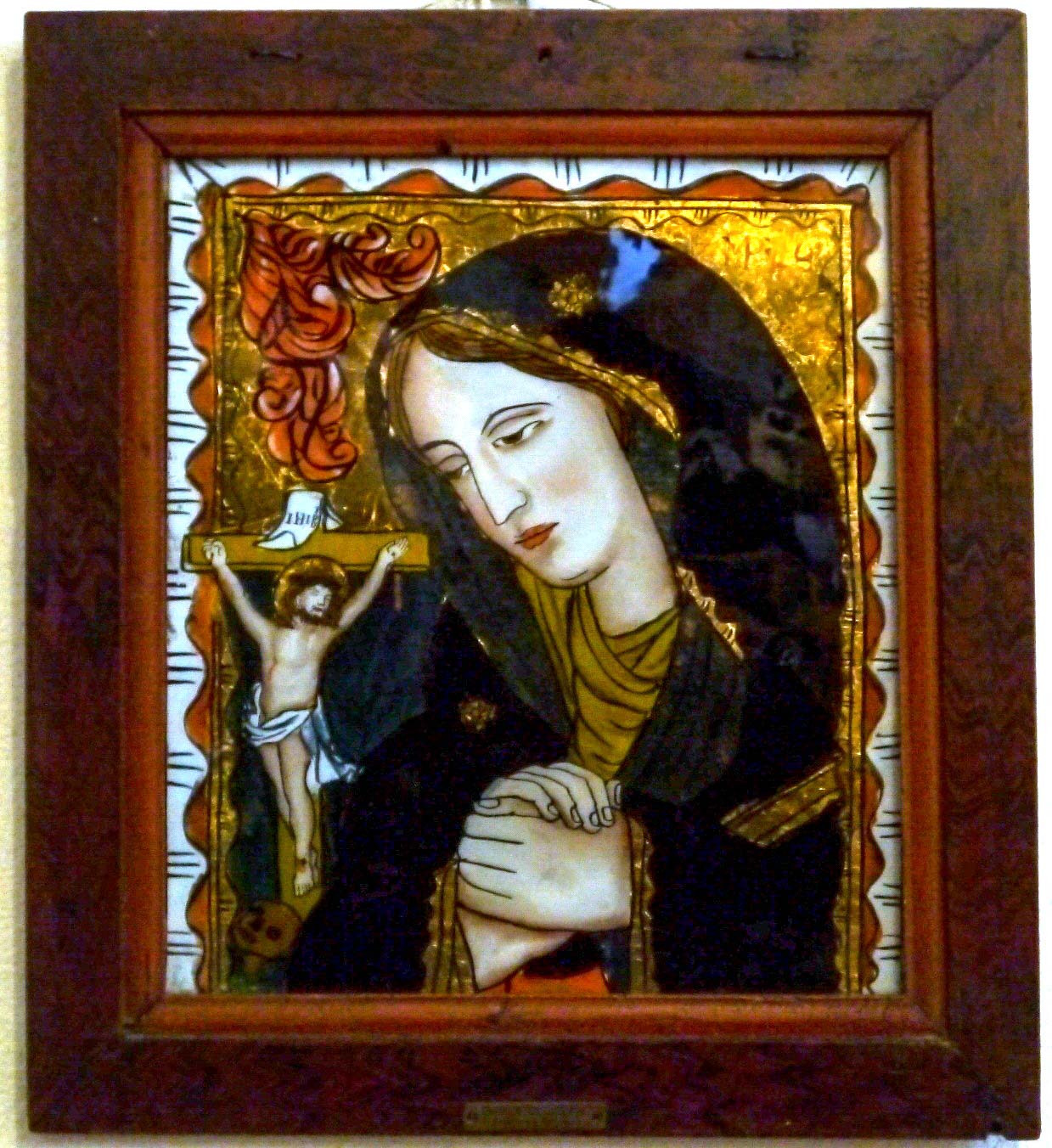
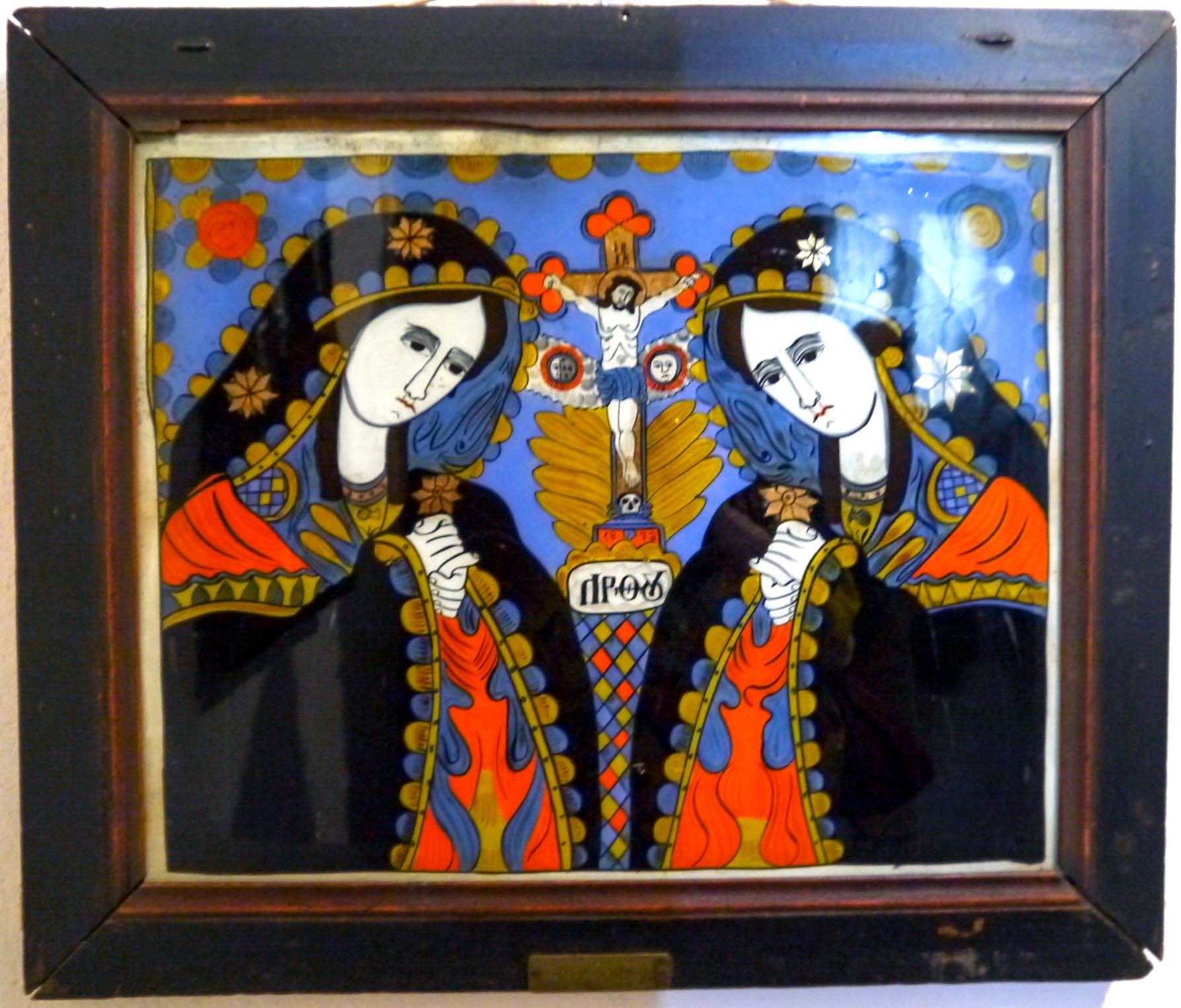
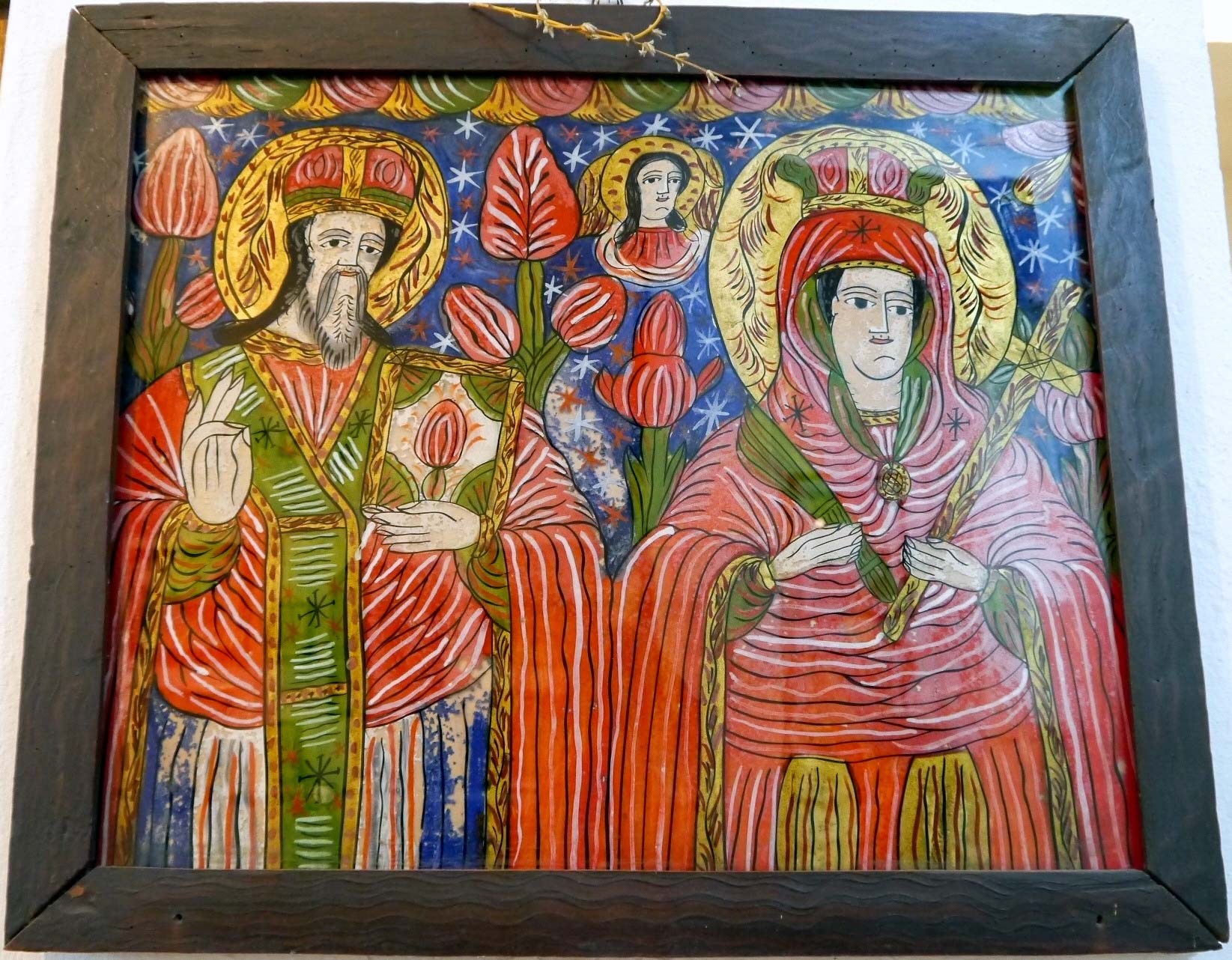
The Zosim Oancea Museum holds the largest collection of icons painted on glass. These icons, painted by local peasants in Sibiel who were Naïve artists, represent a unique blend of Orthodox Christian tradition and Romanian folk painting. Father Zosim Oancea, who passed away in 2005, began collecting icons in 1969, of which six hundred are on display in the museum. The exhibition highlights the various themes and styles found within this peculiar tradition. Of particular intrigue are the unconventional compositions on many of the museum’s icons, where the Virgin Mary takes the foreground, while the crucified Jesus is positioned in the background.
Unlike traditional icons, which are painted on wood, these religious images were created using a 300-year-old method of painting on glass. In fact, the icons themselves were painted as an inverted image on the backside of the glass, a technique known as revers glass painting. Along with the use of paint, gold or silver foils were employed for decorative purposes. Once completed, the paintings were coated with varnish to protect them from moisture and then framed. These small, locally made icons on glass were considerably more affordable compared to the imported icons painted on wood.
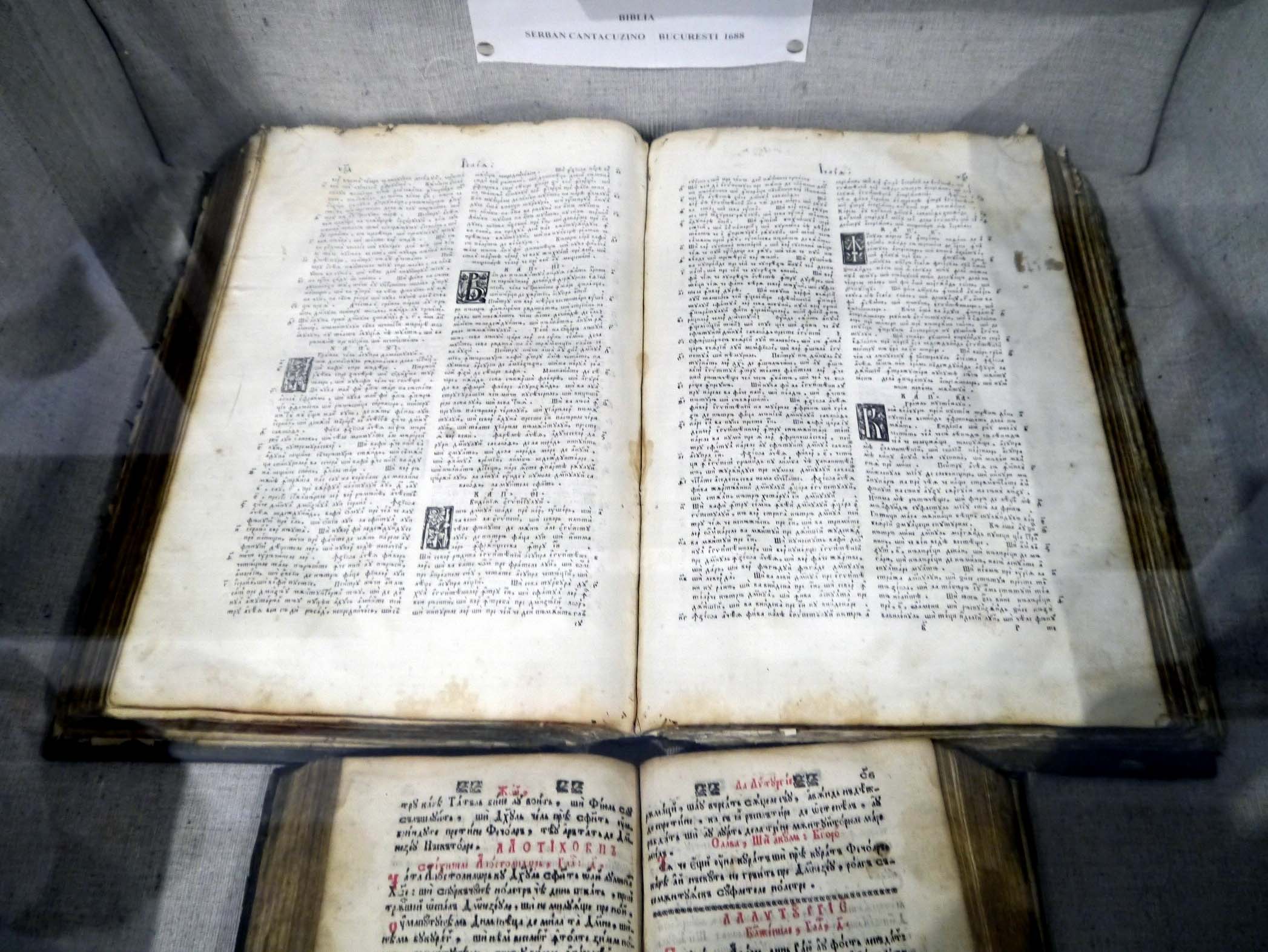
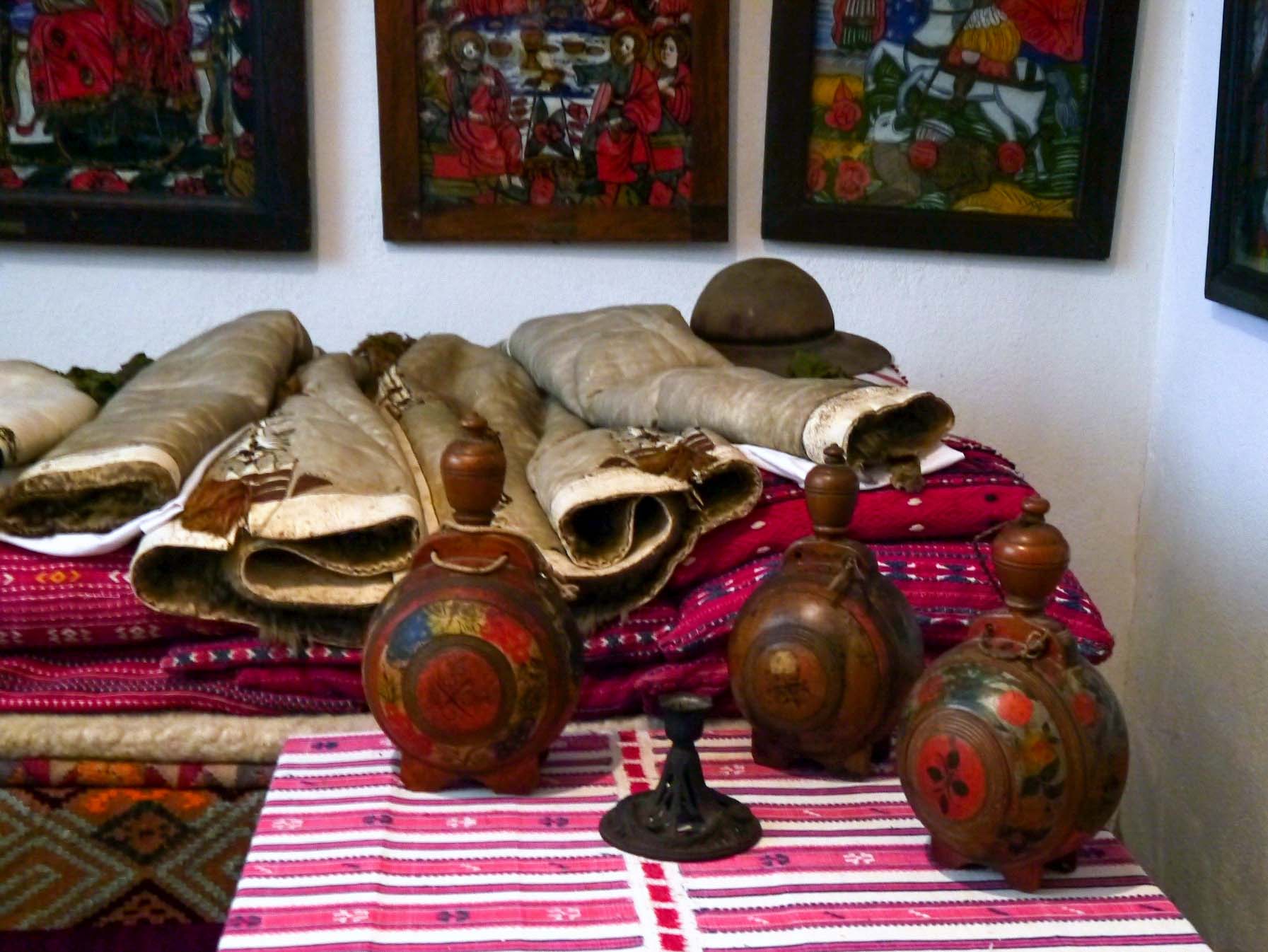
In addition to the icons painted on glass, the museum also houses significant ancient books, including the 16th-century Slavic liturgical text, along with examples of local handicrafts like ceramic vases, embroidered textiles, and antique furniture.
Adjacent to the museum stands the Holy Trinity Church [Biserica Sfânta Treime], dating back to the late18th century, featuring a meticulously frescoed interior and a weathered graveyard.

 Trespasser-on-Earth