Once a bustling spa resort that attracted the most famous figures of the Victorian era, now Royal Leamington Spa now serves as a serene setting, showcasing the enduring elegance of Regency architecture.
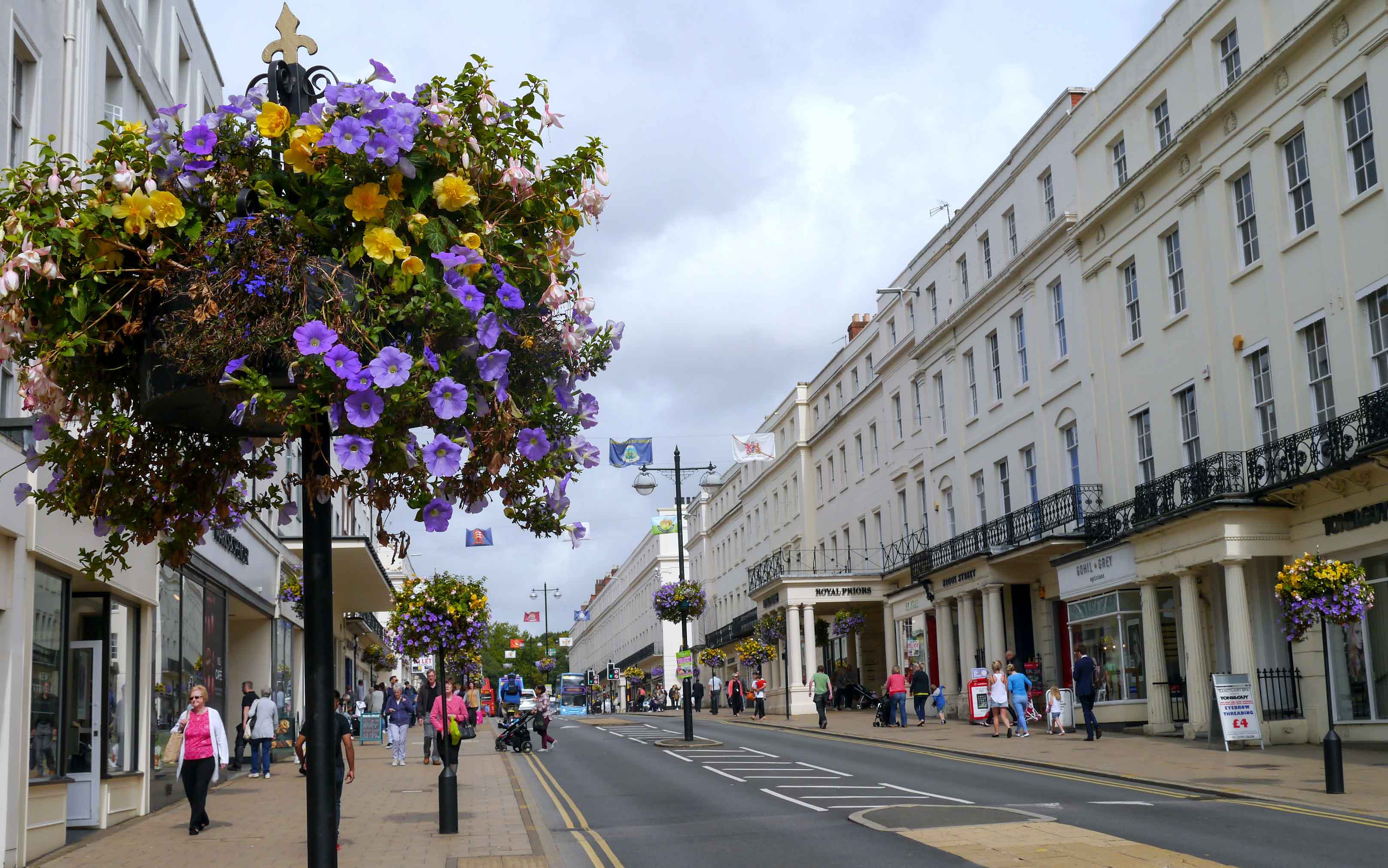
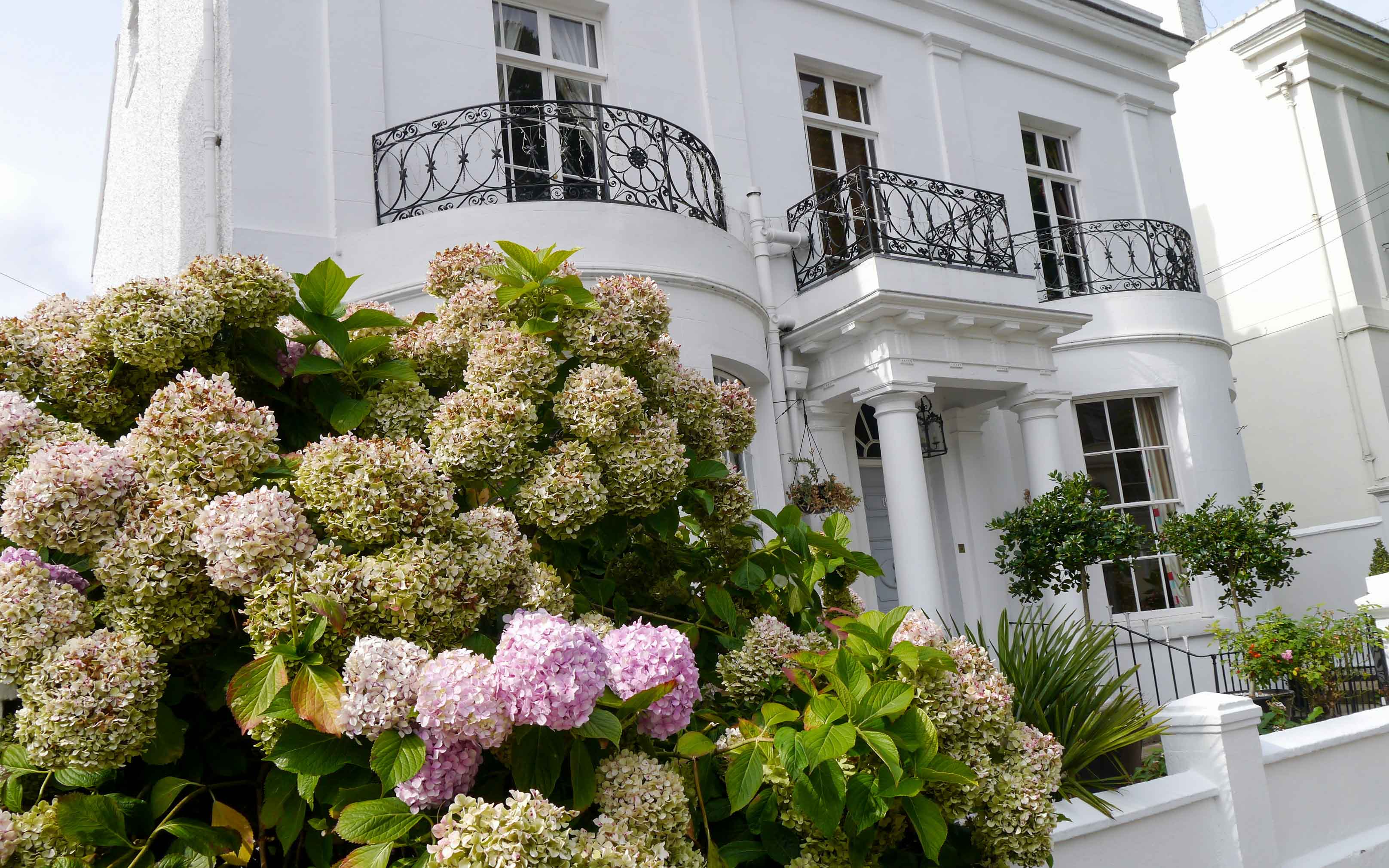
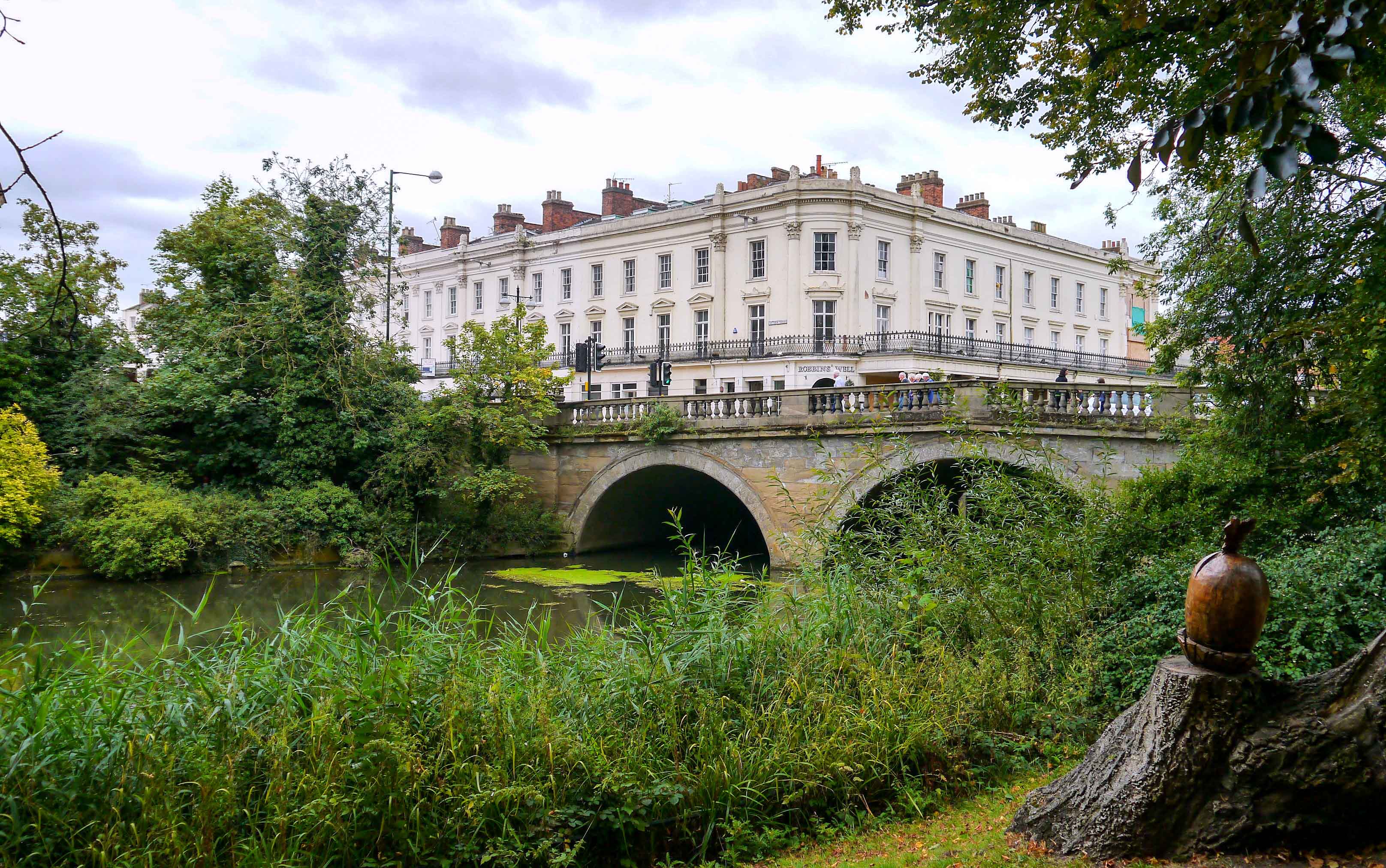
The transformation of the small village of Leamington Priors into the flourishing spa town of Royal Leamington Spa can be attributed primarily to the discovery of saline water. With the growing popularity of its therapeutic properties, the town experienced one of the most rapid expansions in 19th-century England. Although the era of spa days has passed, the town still retains fine examples of Regency architecture in areas such as Clarendon Square, the Parade, and Lansdowne Circus.
The mineral-rich River Leam had already been known in Roman times and was rediscovered during the Victorian era. Initially, a small mineral water well existed next to the Parish Church, owned by the Earl of Aylesford, who intended the spring to remain freely accessible to all. In 1786, Benjamin Satchwell, the village cobbler, discovered a second spring on William Abbott’s land. Their entrepreneurial spirit led to the commercialization of the saline water. By 1788, Abbotts’s Baths were established, followed by additional facilities catering to visitors seeking health treatments and leisure through bathing and drinking the waters. Satchwell gained local fame through his poetry and articles, which depicted the village and its spa waters.
The Royal Pump Room and Baths is among the town’s most notable buildings. Originally designed as one of the finest bathhouses in the country, it opened in 1814 and was expanded in 1864 to include a Turkish bath and swimming pool. The baths even featured in the music video for Mick Jagger’s 1992 song Sweet Thing. Dr. Henry Jephson, the renowned Leamington physician, began his practice at the Royal Pump Room and Baths in 1823, coinciding with the town’s emergence as a prominent health resort. His treatments involved various methods of consuming and bathing in the water, alongside strict dietary regimens and regular walks. These therapies gained immense popularity, attracting numerous affluent and distinguished visitors. In recognition of Jephson’s contribution to the community, Jephson Gardens were named in his honor.
During the 1840s, the popularity of Leamington’s saline spas declined due to the rise of hydrotherapy, which used pure water instead of mineral-rich water, and increasing competition from continental European and seaside resorts. By the 1860s, all bathhouses had ceased operations except for the Royal Pump Room and Baths, which continued spa treatments until the 1990s. Today, the building houses the Leamington Spa Art Gallery & Museum and a public library, while visitors can still access saline water from a fountain on the premises.
A whimsical motif of elephants appears throughout the old town. In the 19th century, elephants were brought from Ceylon by Sam Lockhart, the first elephant trainer in England, who was born into a circus family in Leamington. Lockhart’s circus was housed in a grand riverside building. Although there is only anecdotal evidence of the elephants bathing in the River Leam, the slipway leading to the river is fondly known as the ‘Elephant Walk’.
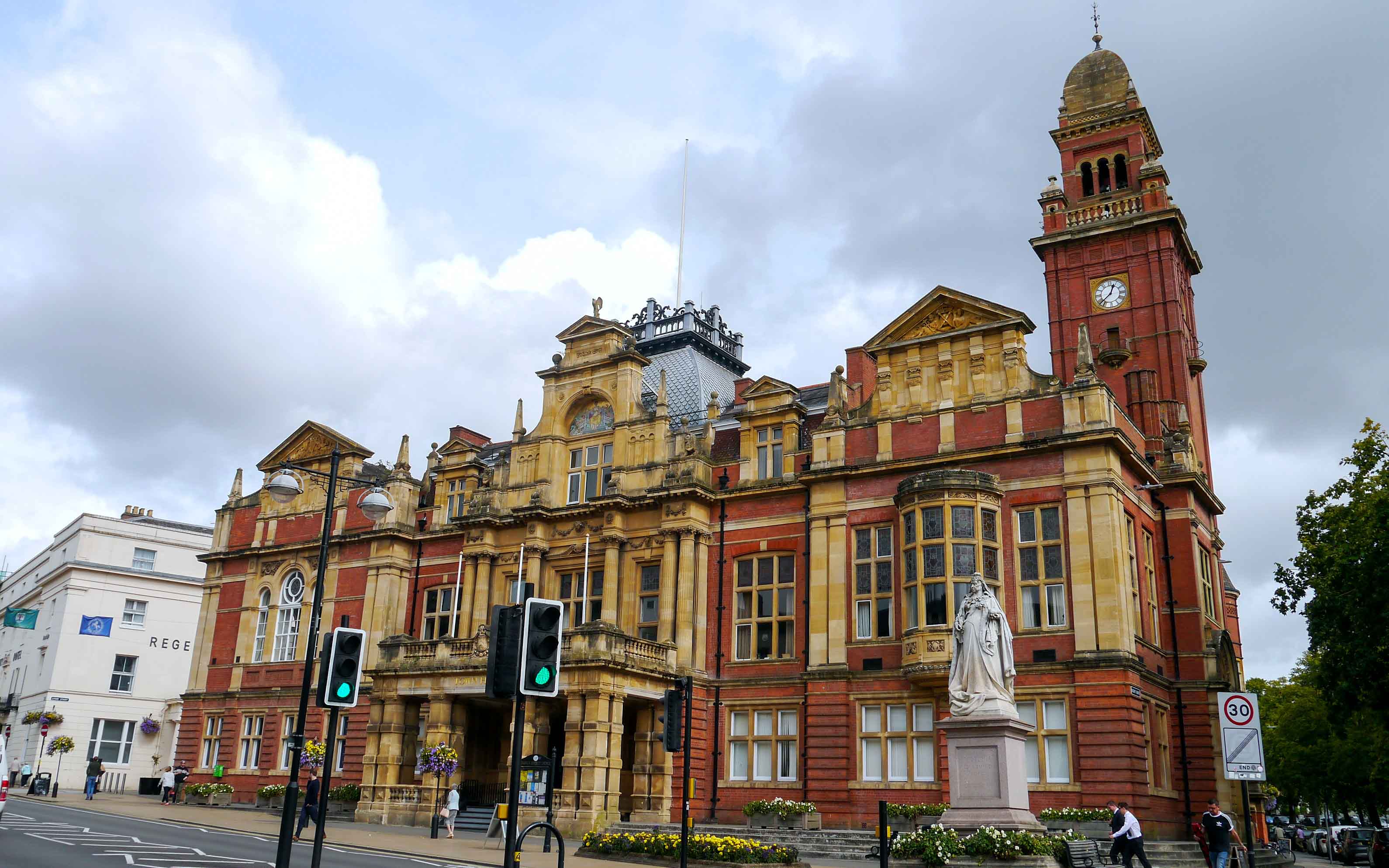
Another unique feature is the statue of Queen Victoria (reign: 1837-1901) situated in front of the Town Council. While statues of the queen are common in English towns, this one is famous for a surprising incident during the German bombing on November 14, 1940. A powerful blast caused the statue to shift one inch on its plinth, and it was never returned to its original position – perhaps as a symbolic act of defiance.


Sources
http://www.royal-leamington-spa.co.uk
http://www.ourwarwickshire.org.uk
 Trespasser-on-Earth