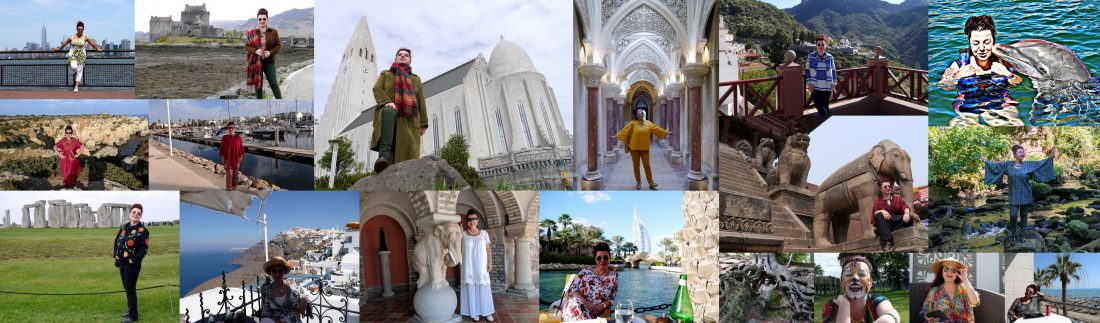
Warwickshire is the heart of Shakespeare’s England, where visitors can explore fortified castles, timber-framed houses, and miles of canals.
KENILWORTH CASTLE
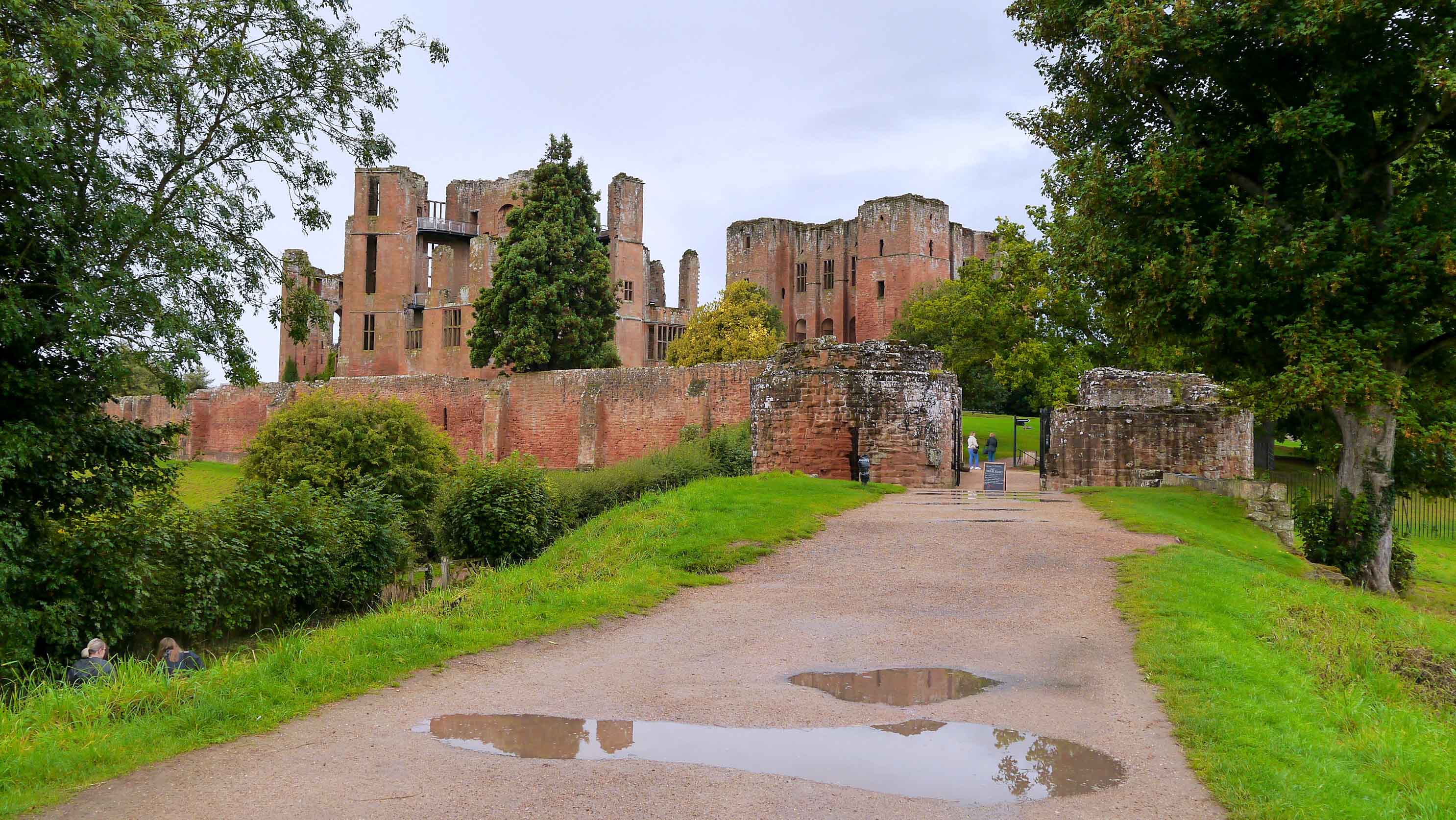
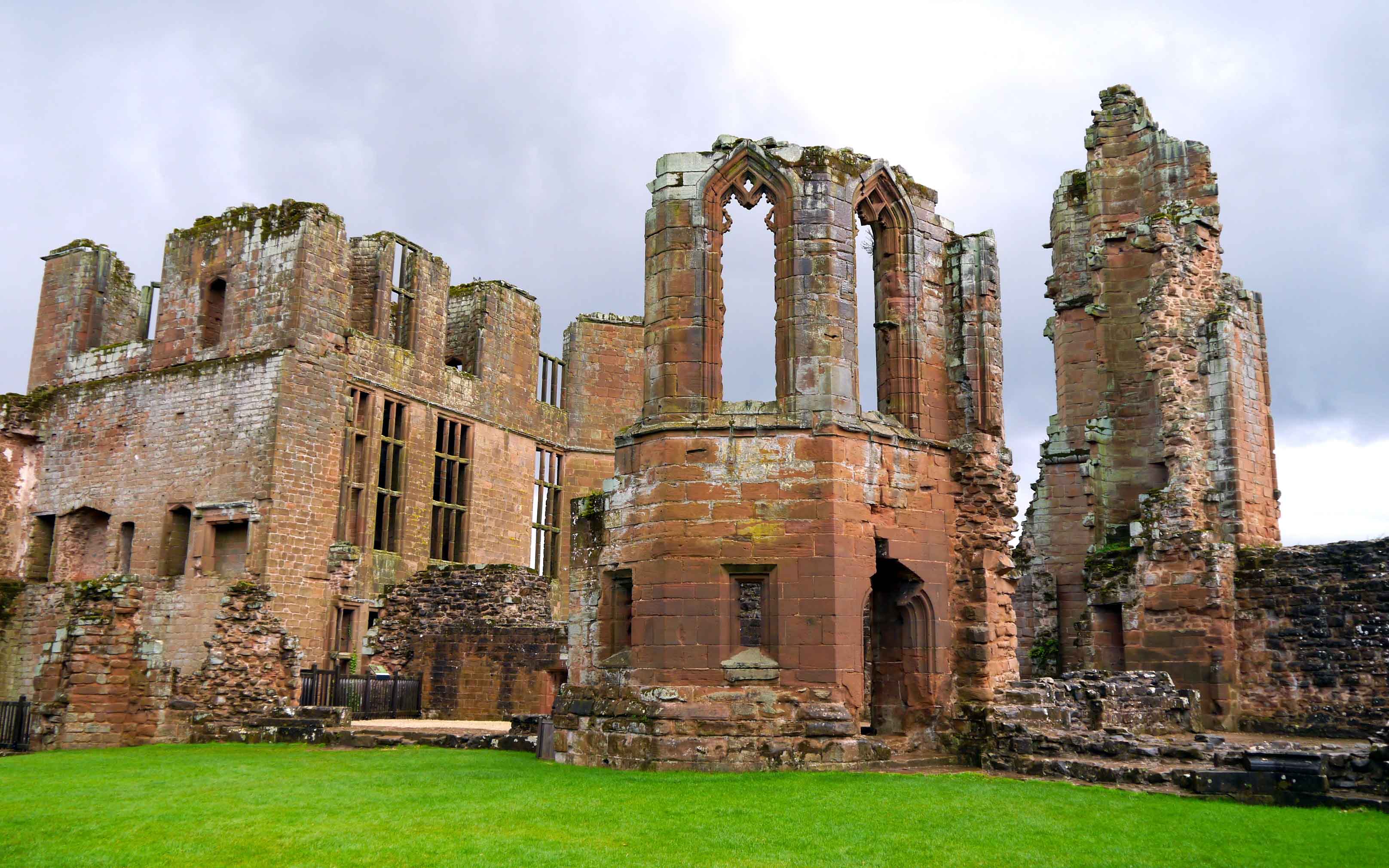
The extensive ruins of Kenilworth Castle are a fine example of a semi-royal palace that was constructed over several centuries, spanning from the Norman to the Tudor era.
The Norman Keep, also known as the Great Tower, stands as the oldest part of the castle. It was constructed in the early 1120s by Geoffrey de Clinton, who served as Lord Chamberlain and treasurer to King Henry I (reign: 1100-1135), the monarch being the fourth son of William the Conqueror.
Later, during the early 13th century, King John (reign: 1199-1216) undertook significant expansions to the castle, incorporating comprehensive water defenses around it known as the Great Mere. This entailed the creation of an artificial lake, which has since been drained and transformed into a meadow. The resulting fortified structure demonstrated its resilience by withstanding a six-month siege in 1266. Regarded as the lengthiest siege in medieval English history, it took place amidst the Second Barons’ War (1264-1267), an English civil war led by Simon de Montfort, 6th Earl of Leicester, against the royalist forces.
In the late 14th century, John of Gaunt (1340-1399), the son of King Edward III (reign: 1327-1377), undertook additional expansions to the castle, introducing a Great Hall and State Apartments. This transformation elevated the medieval castle into a fortified palace. The design of the Great Hall took inspiration from the one built at Windsor Castle by Gaunt’s father. Every aspect of the Great Hall, from its magnificent high-pitched roof with a wide span to the unusually tall windows, and the abundance of fireplaces, showcased Gaunt’s ambition, social standing, and wealth.
In 1563, Queen Elizabeth I (reign: 1558-1603) bestowed Kenilworth Castle upon her favored courtier, Robert Dudley (1532-1588), 1st Earl of Leicester, marking the commencement of the castle’s final chapter as a prominent aristocratic stronghold. Dudley undertook extensive developments by constructing a lavish set of state apartments known as Leicester’s Building, thus transforming the castle into a fashionable Renaissance palace. The primary motivation behind the improvement of the castle was to prepare it for hosting Queen Elizabeth and her entourage in a fitting manner during her annual royal ‘progresses’.
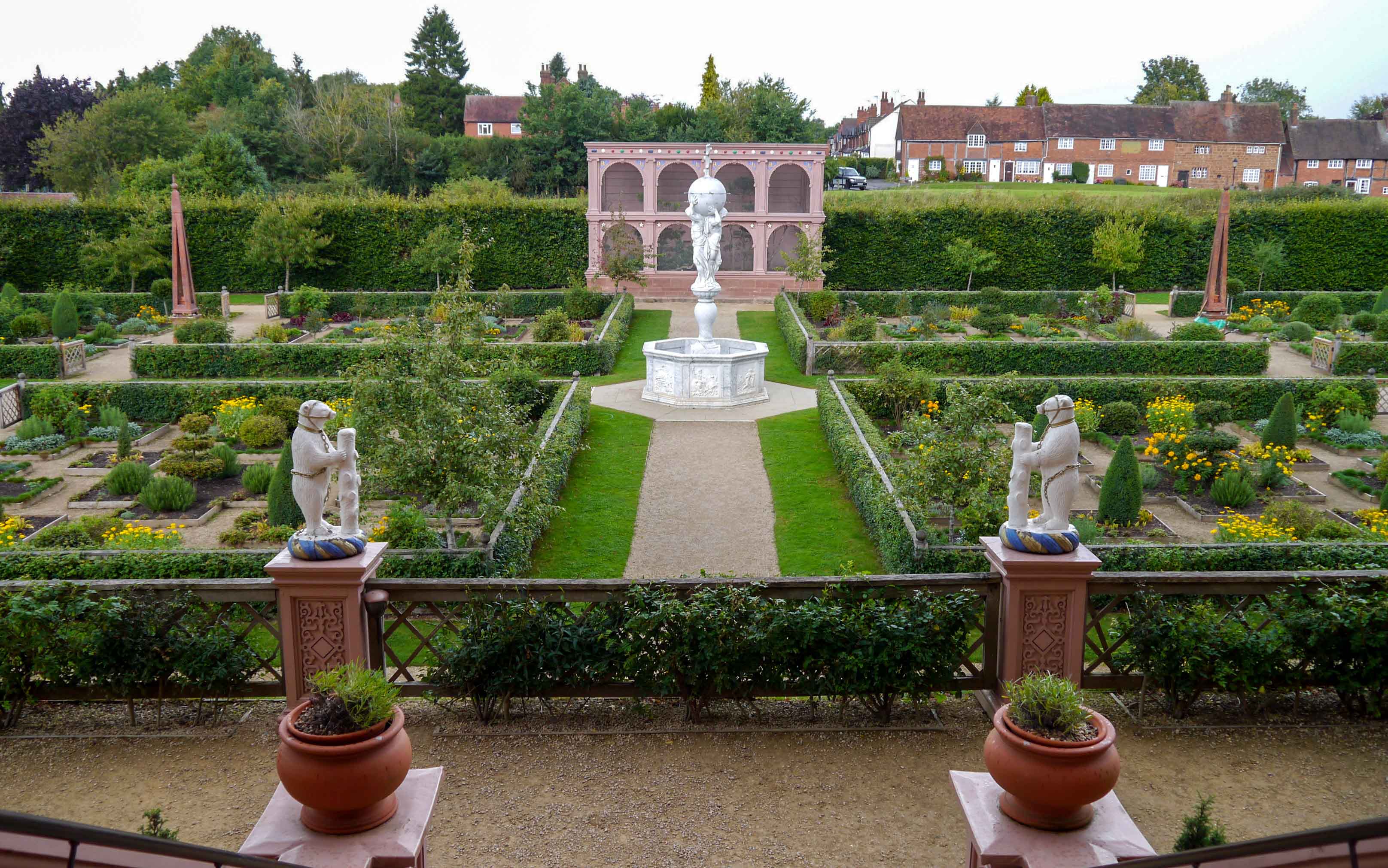
Upon Queen Elizabeth’s arrival at Kenilworth in 1575, one of the greatest surprises awaiting her was a splendid Privy Garden, meticulously designed as a secluded retreat for her personal enjoyment. Dudley, driven by his status as a prominent courtier and ambitious royal favorite, created this garden to enchant visitors with every intricate detail reflecting his position. The garden that exists today is a faithful recreation based on the comprehensive account written by Robert Langham, an eyewitness to the events surrounding the royal visit.
Leicester’s Gatehouse was built as a grand new entrance to Robert Dudley’s castle. However, after the Civil War of the 1640s, Parliament sought to prevent the castle from falling into enemy hands, leading to its deliberate destruction. Consequently, the castle has remained in ruins ever since. In contrast, the gatehouse was converted into a private residence by Colonel Joseph Hawkesworth. Currently, certain rooms have been furnished to recreate their appearance from the 1930s, representing the time when the gatehouse was last utilized as a residence.
“The bed of the lake is but a rushy swamp; and the massive ruins of the Castle only serve to show what their splendour once was, and to impress on the musing visitor the transitory value of human possessions, and the happiness of those who enjoy a humble lot in virtuous contentment.”
Walter Scott: Kenilworth (1821)


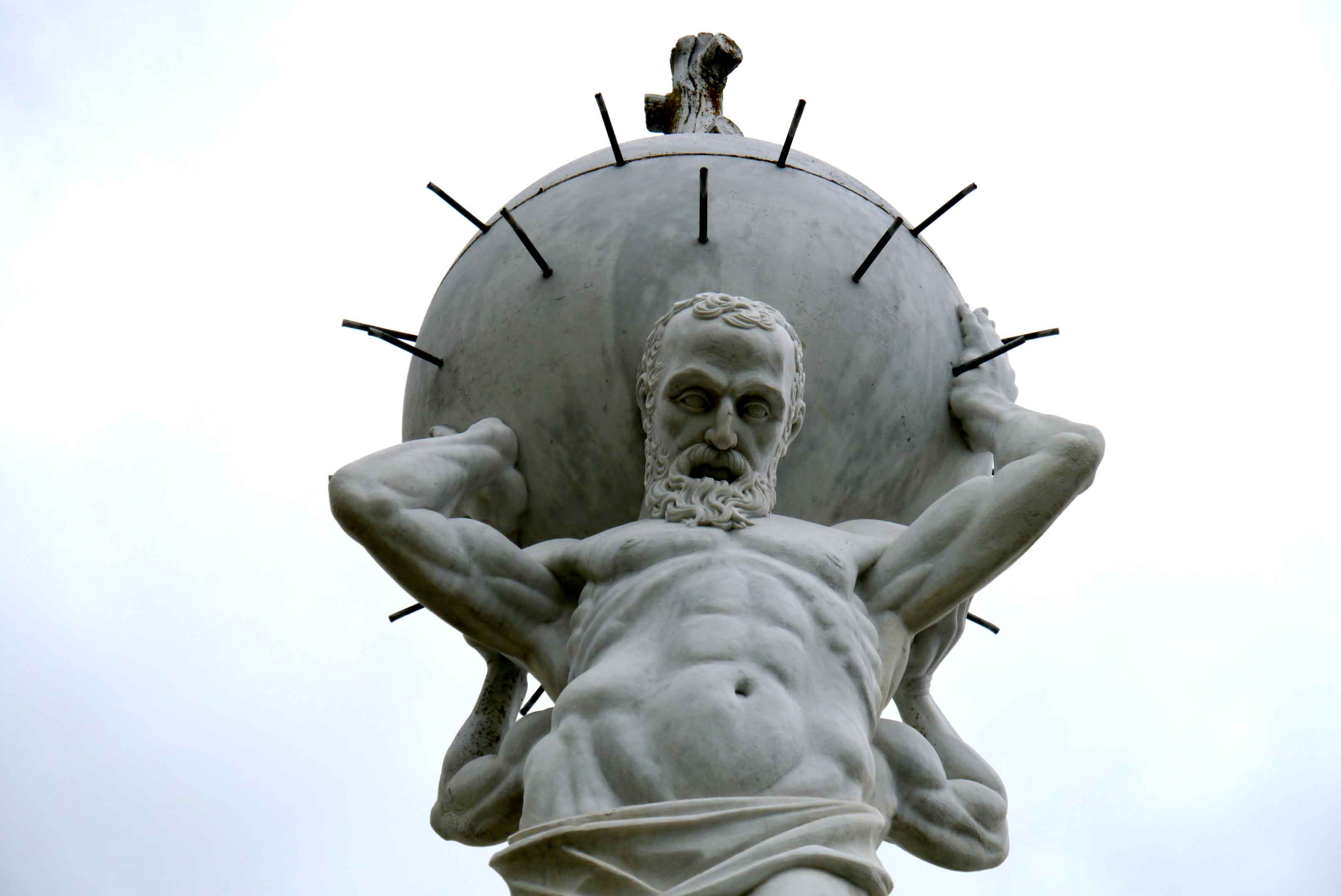
ROYAL LEAMINGTON SPA
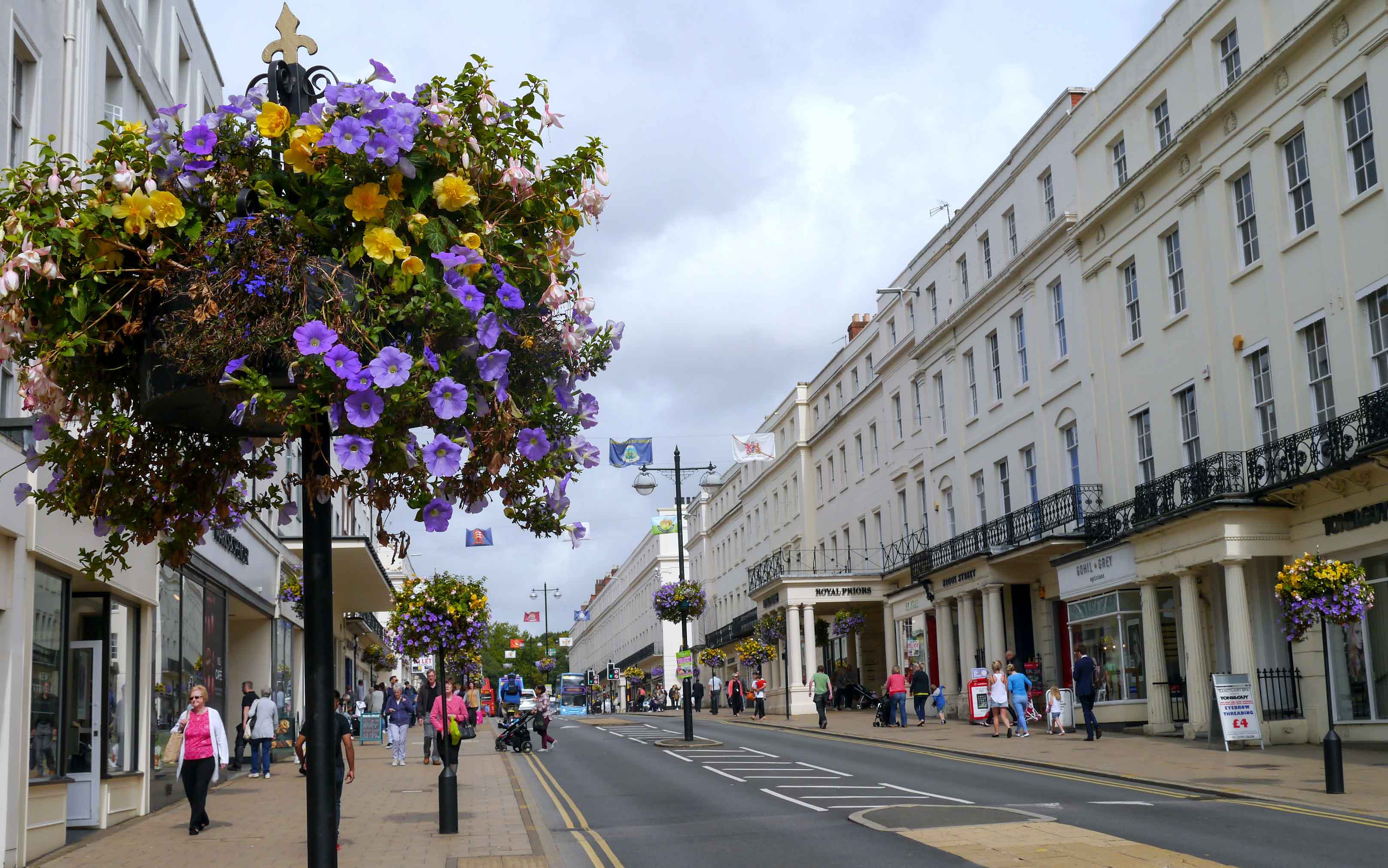
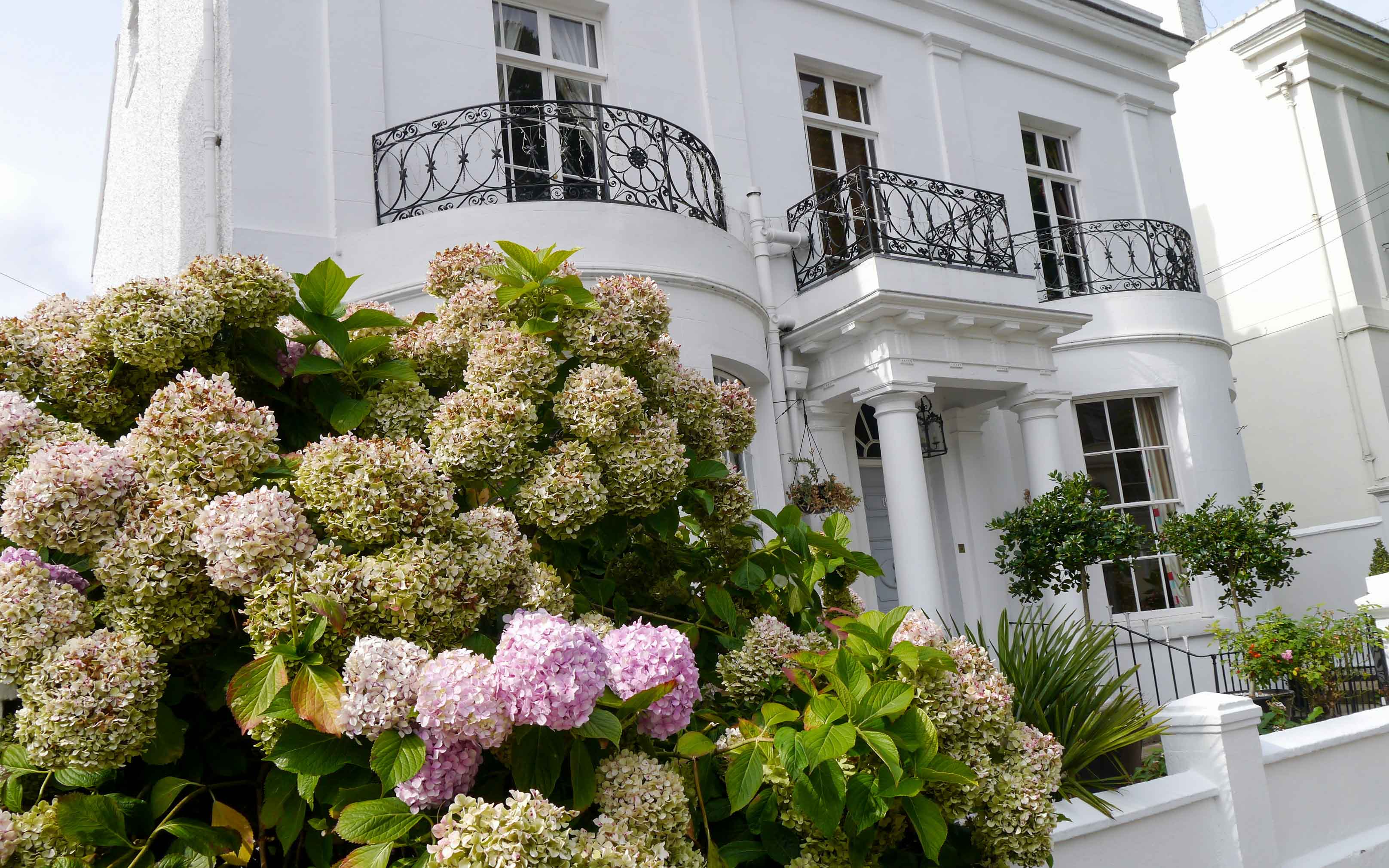
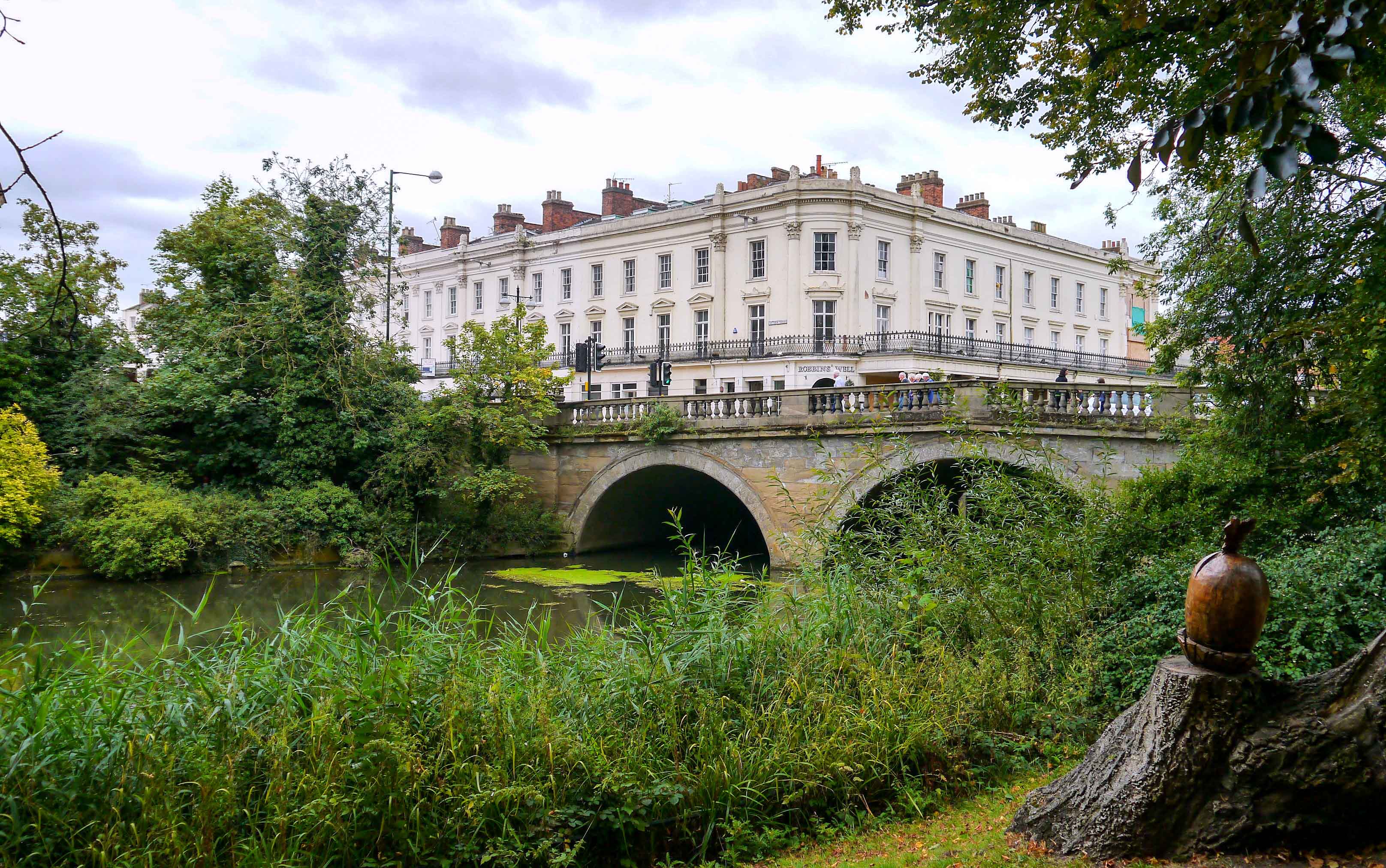
The once bustling spa resort, which used to allure the most famous individuals of the era, now serves as a serene setting, showcasing the enduring Regency architecture.
The transformation of the small village of Leamington Priors into the flourishing spa resort town of Royal Leamington Spa can be attributed primarily to the discovery of saline water. With the increasing popularity of the water’s therapeutic properties, the town experienced one of the most rapid expansions in 19th-century England.
The era of spa days may be a thing of the past for the historic town, but it still retains fine examples of Regency architecture in notable areas such as Clarendon Square, the Parade, Jephson Gardens, and Lansdowne Circus. The Royal Pump Room and Baths stand as Leamington’s only surviving spa facility, where visitors can still access saline water from a fountain within the premises. Today, this building has been repurposed as the Leamington Spa Art Gallery & Museum, while also housing a public library.
A seemingly whimsical motif of elephants appears scattered throughout the old town. In the 19th century, elephants were brought from Ceylon to the town by Sam Lockhart, the first elephant trainer in England, who was born into a circus family in Leamington. Lockhart’s circus was housed in a grand building by the river. Although there is only anecdotal evidence of the elephants being bathed in the River Leam, the slipway leading down to the river is fondly referred to as the ‘Elephant Walk’.
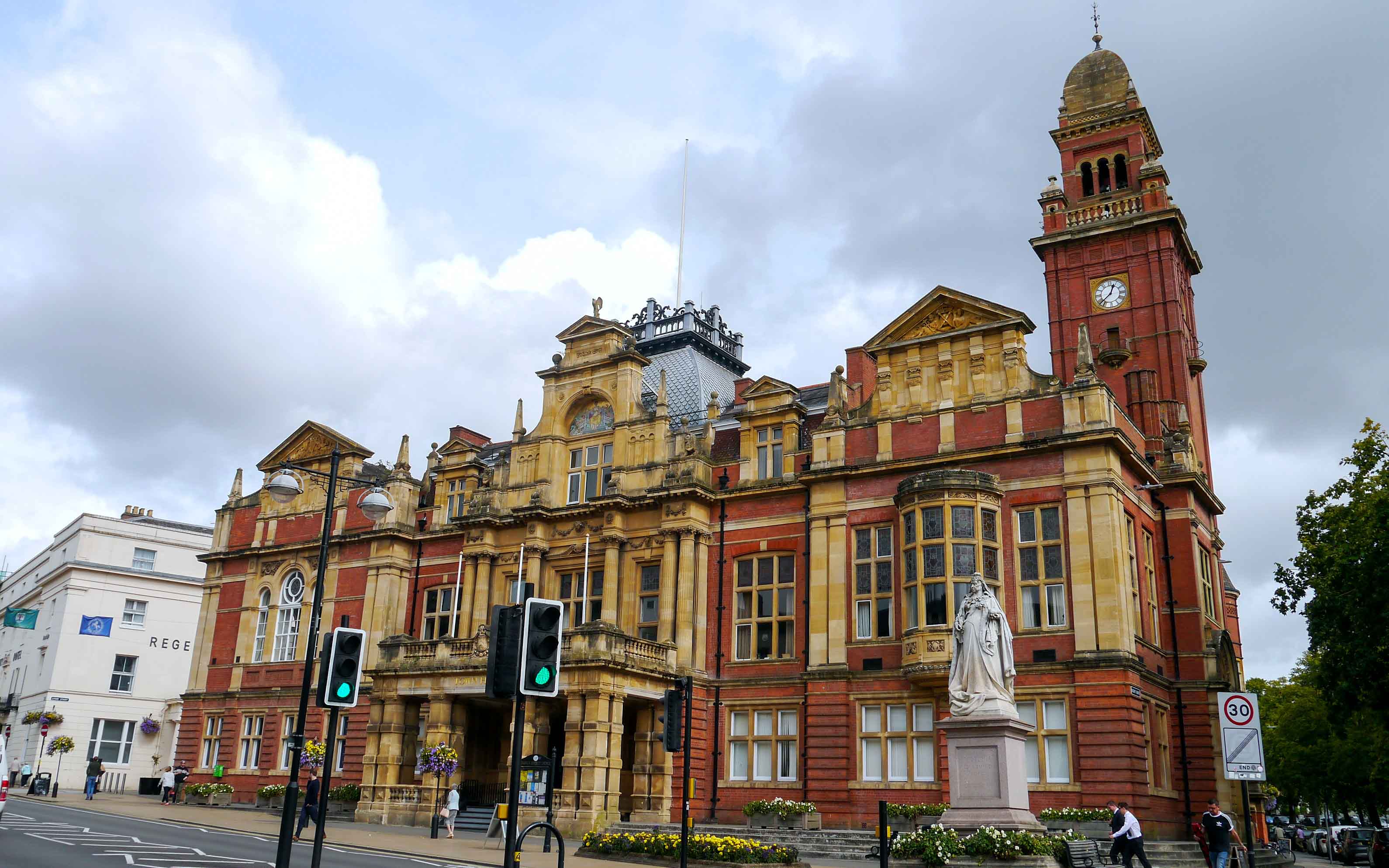
Another curiosity in the town is its statue of Queen Victoria (reign: 1837-1901) situated in front of the Town Council. While it is not uncommon for English towns to feature statues of the queen, what makes this one unique is a surprising incident that occurred during the German bombing on November 14, 1940. A powerful blast caused the statue to move one inch on its plinth. Moreover, perhaps as an act of defiance, it was not returned to its original position.


Sources
https://www.english-heritage.org.uk/visit/places/kenilworth-castle
http://www.royal-leamington-spa.co.uk
http://www.ourwarwickshire.org.uk
 Trespasser-on-Earth