This remote mountainous region of the Scottish Highlands features some of the world’s oldest mountains, untouched nature, beautiful sea and freshwater lochs, and charming remote villages. It is the land of epic views.
Inverewe Garden Walk
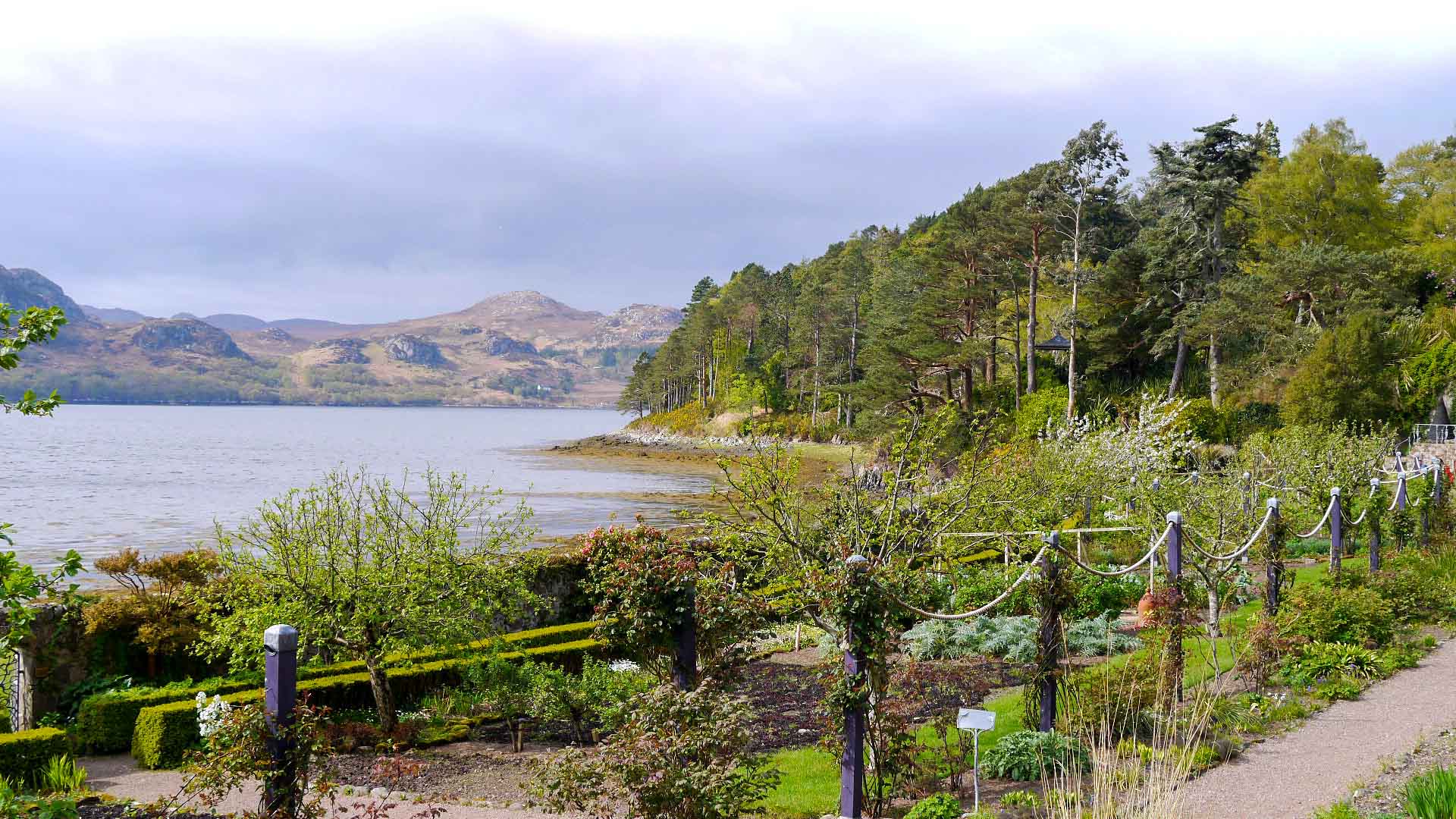
Inverewe Garden, renowned for its extensive collection, is a botanical garden created along a remote stretch of the Atlantic coastline.
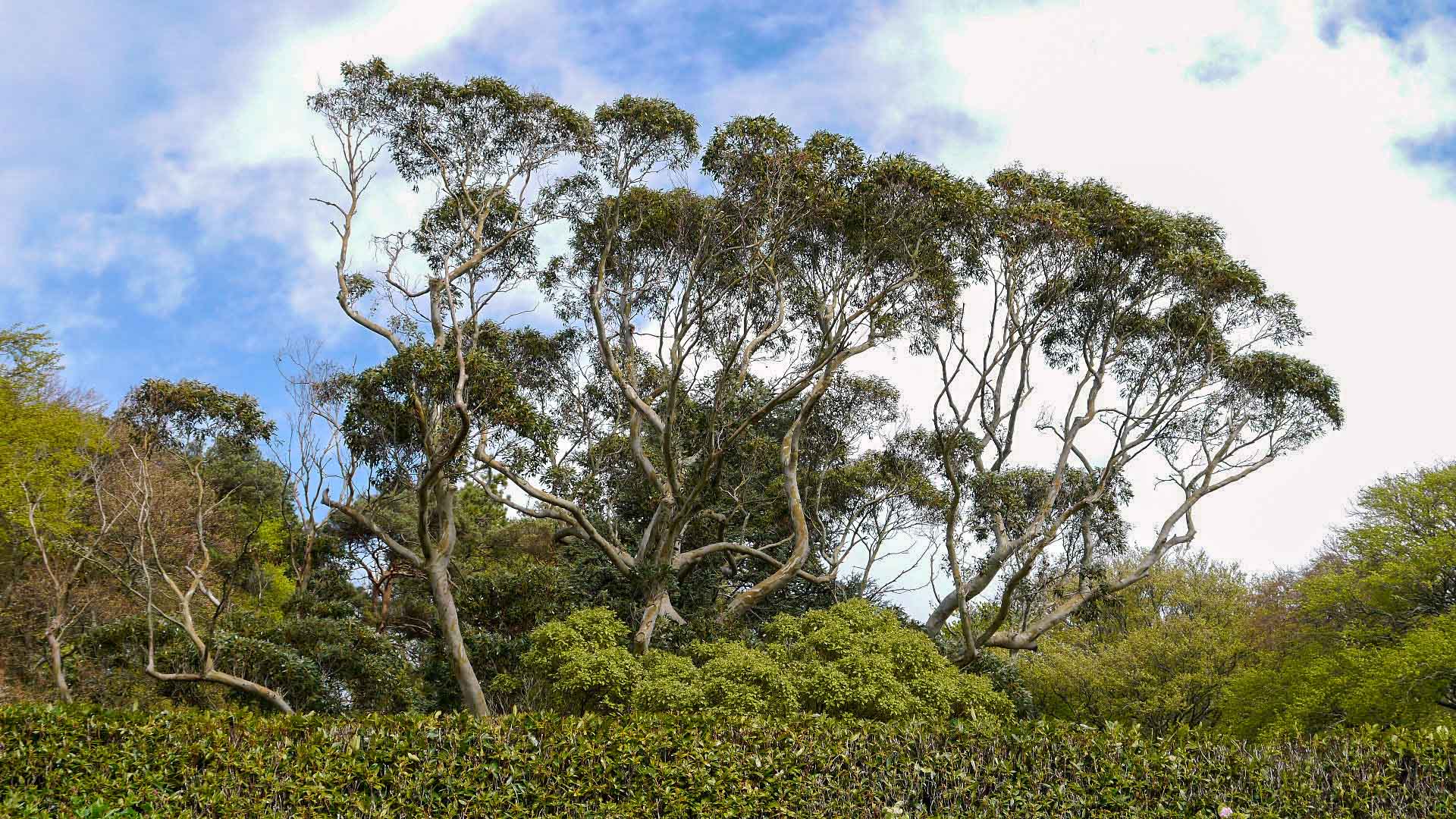
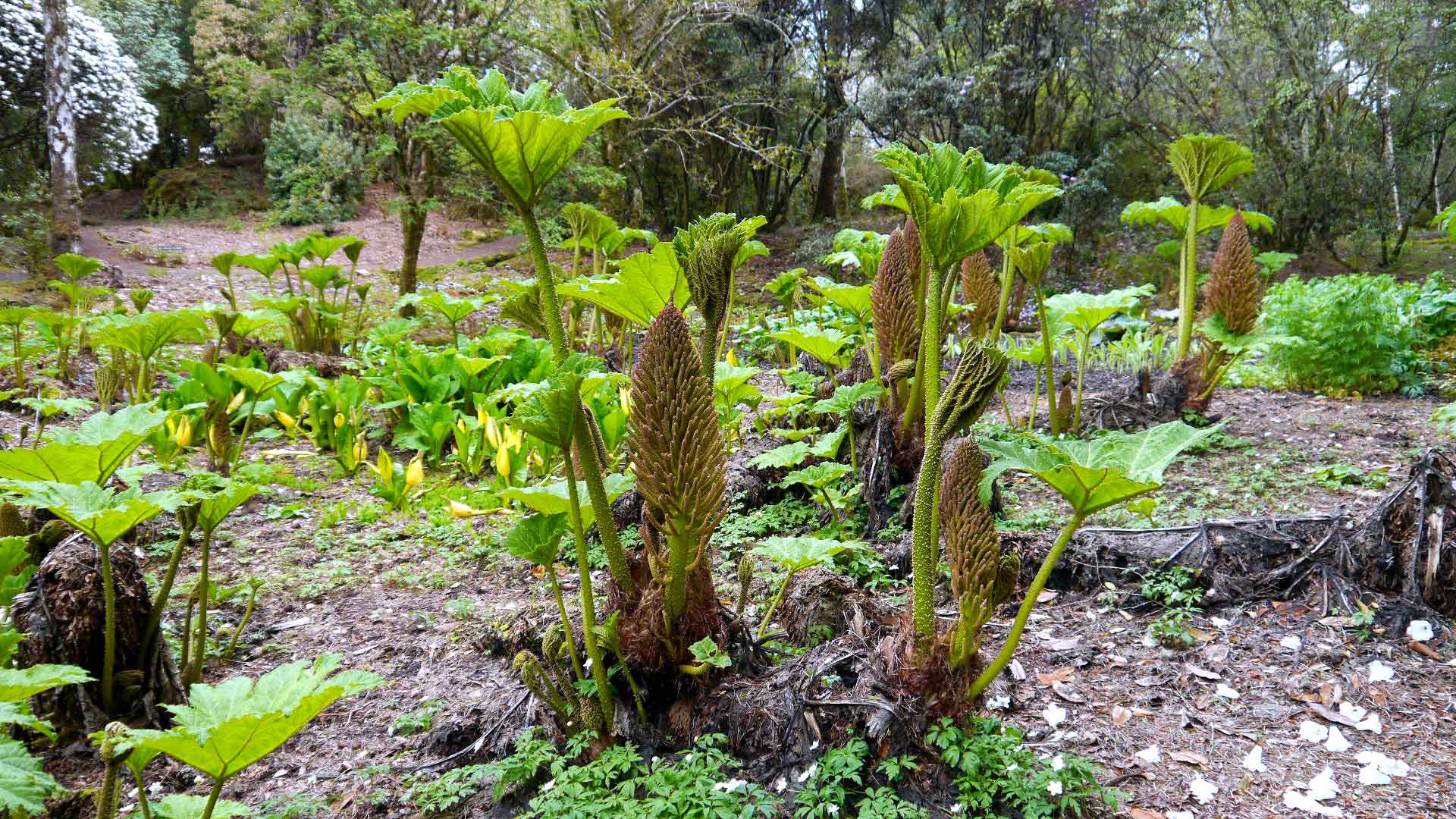
Situated amidst a desolate wilderness, this lochside garden thrives in a unique microclimate created by the Gulf Stream, allowing rare species to flourish. It boasts a diverse array of plants from around the globe, including Himalayan blue poppies, Californian redwoods, and Wollemi pines. Until recently, the Wollemi pine was only known through fossil records. Inverewe is also home to an impressive assortment of rhododendrons sourced from China, Nepal, and India. With a blooming rhododendron for each day of the year, the garden offers a spectacular display.

Corrieshalloch Gorge Walk
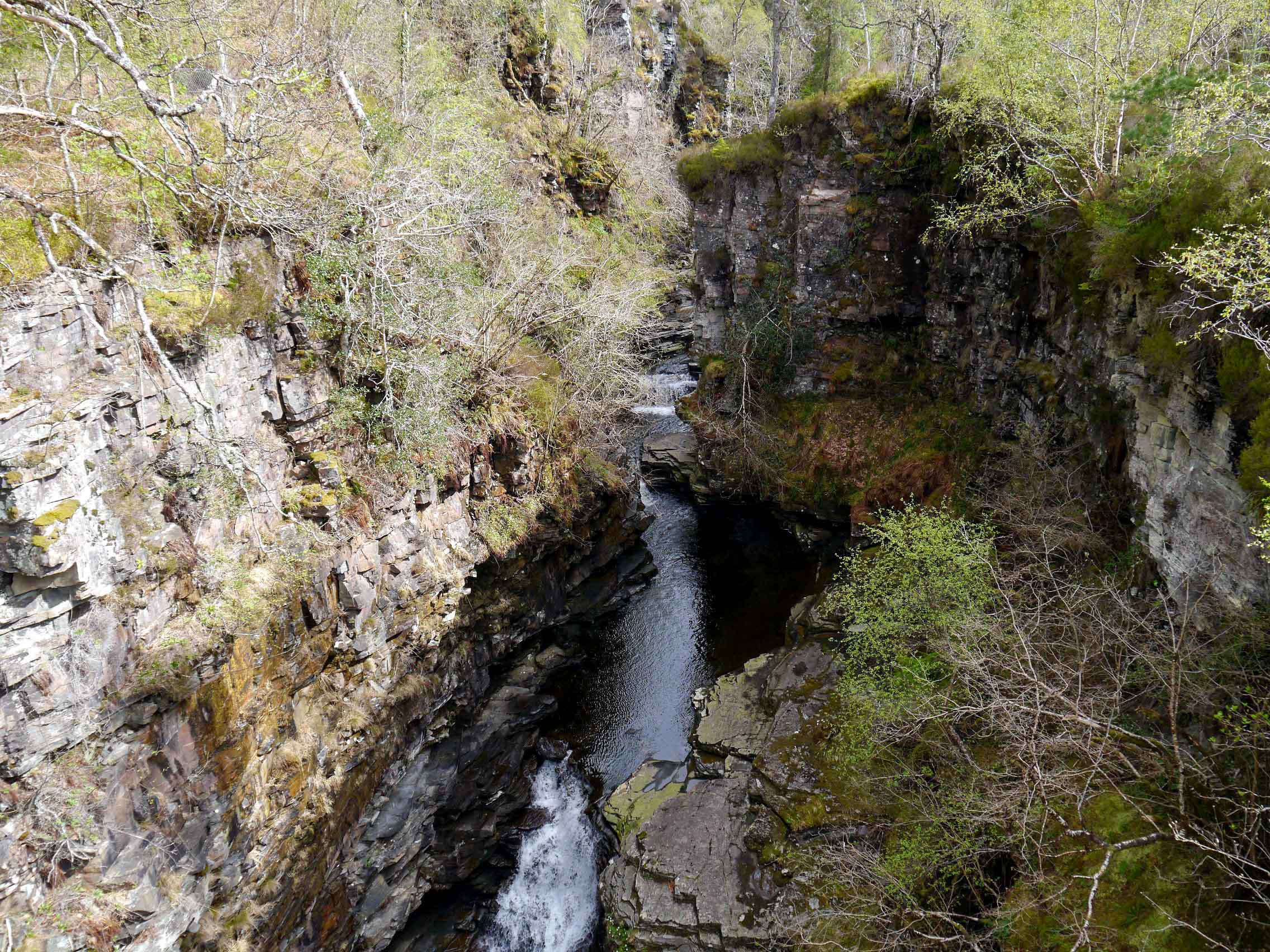
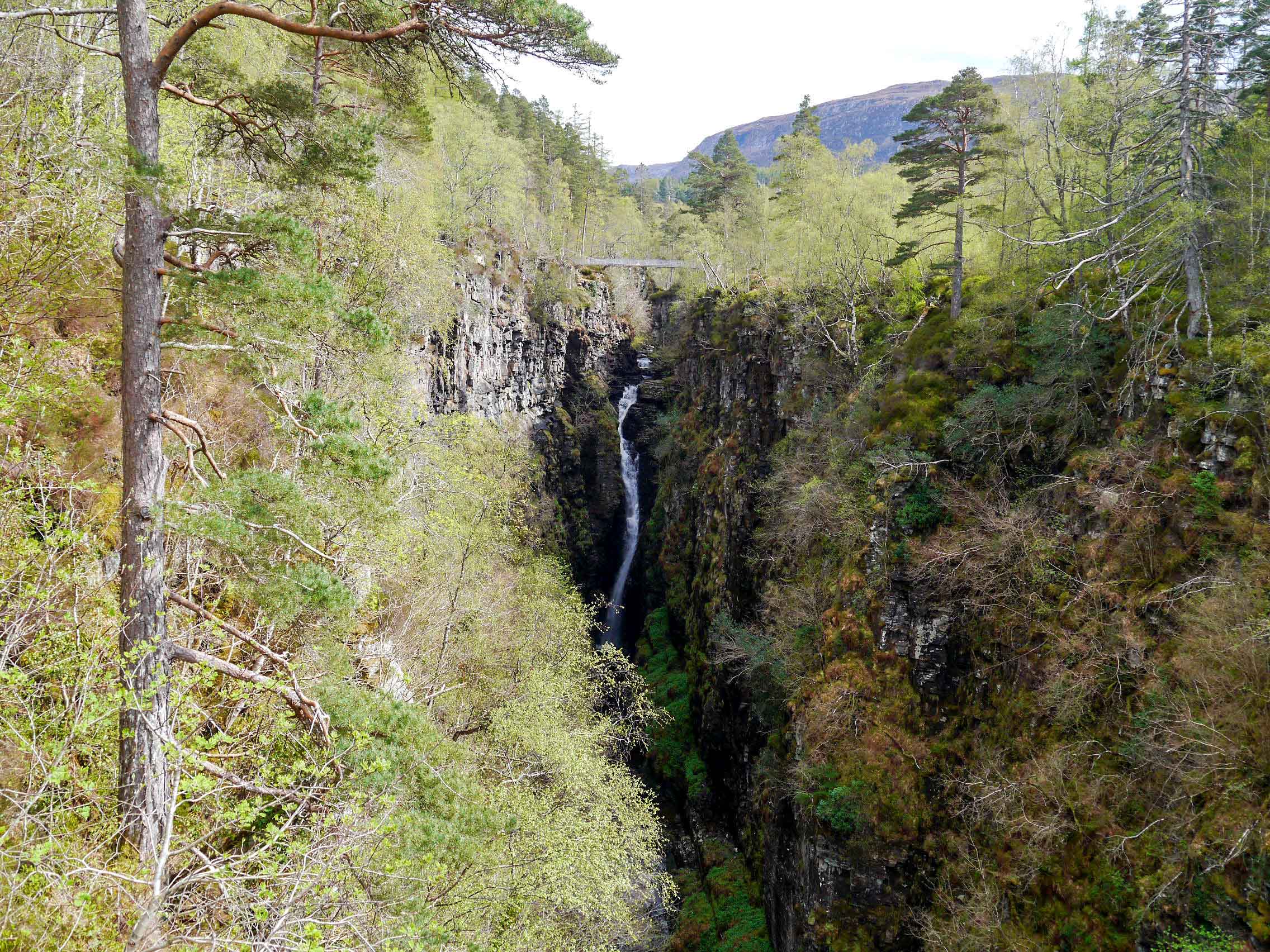
The Corrieshalloch Gorge National Nature Reserve Walk leads to a spectacular deep gorge, where visitors can enjoy the view of a cascading waterfall from a Victorian suspension bridge.
Stretching for a mile, the Corrieshalloch Gorge is a magnificent canyon through which the River Droma rushes. It serves as a remarkable testament to the power of glacial meltwater and the stunning formations it can shape.
There are well defined paths throughout.
Distance: 2 k
Ascent: 93 m
Duration: 0.5-1 hour
Info and map: https://www.walkhighlands.co.uk/ullapool/corrieshalloch.shtml
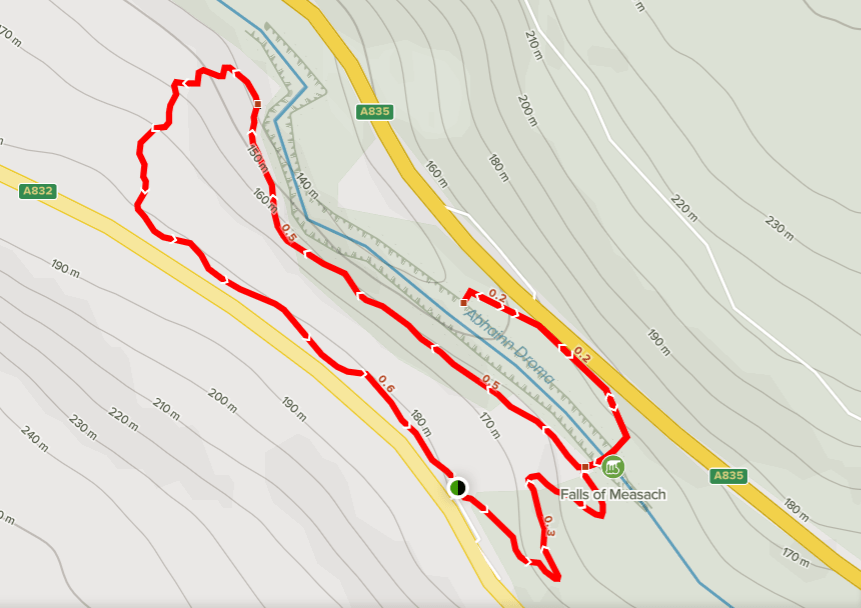
From the car park, visitors should proceed through the gate on the right to make their way directly towards the Victorian suspension bridge. After crossing the bridge, visitors can enjoy the sight of the 45-meter Falls of Measach plummeting into the depths below. Continuing further down the gorge, a viewing platform offers a wonderful perspective of both the waterfall and the bridge. Alternatively, by accessing the gate on the left, visitors can opt for a leisurely stroll through the hillside woodland.

Lael Forest Garden Walk
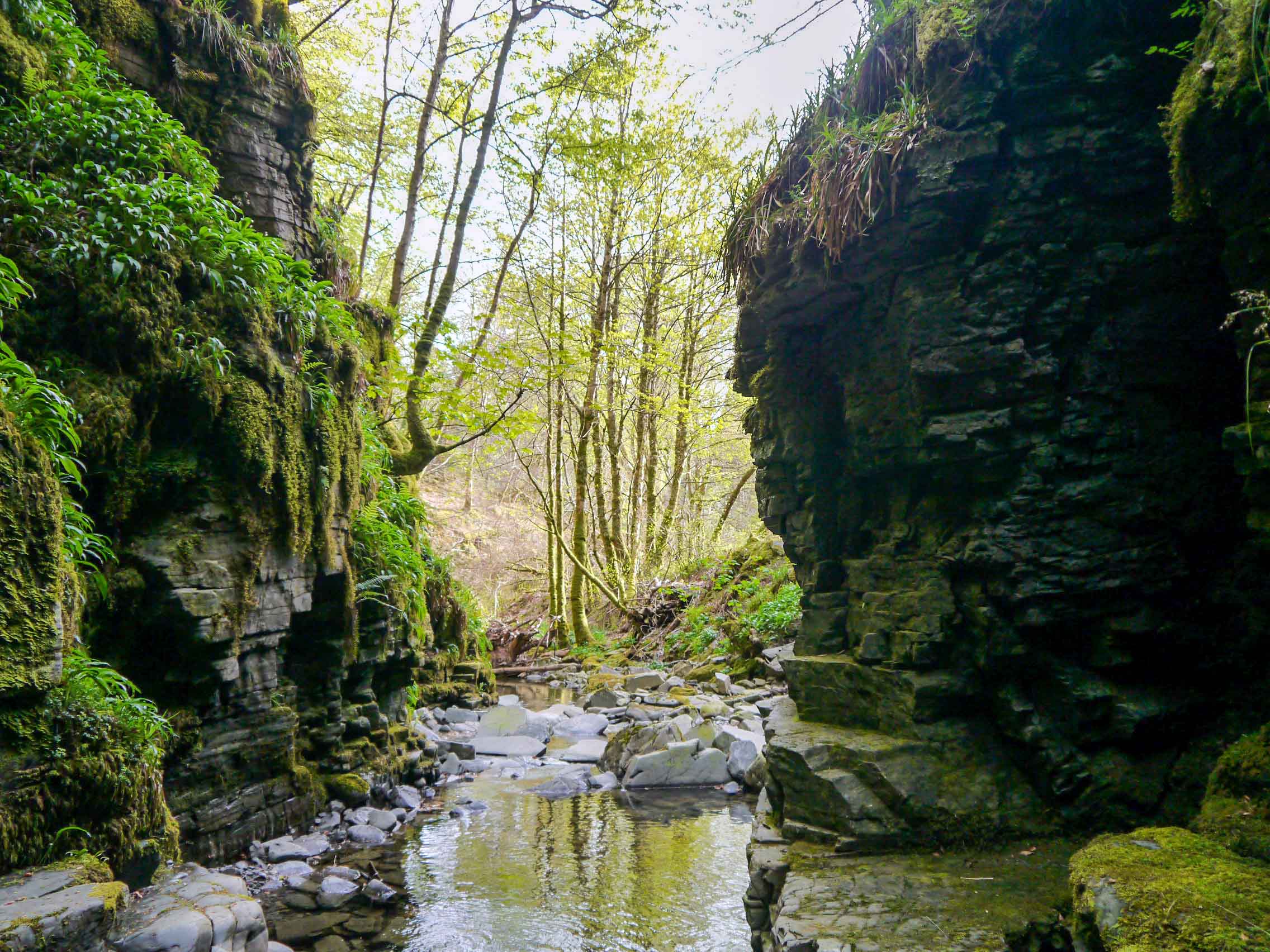
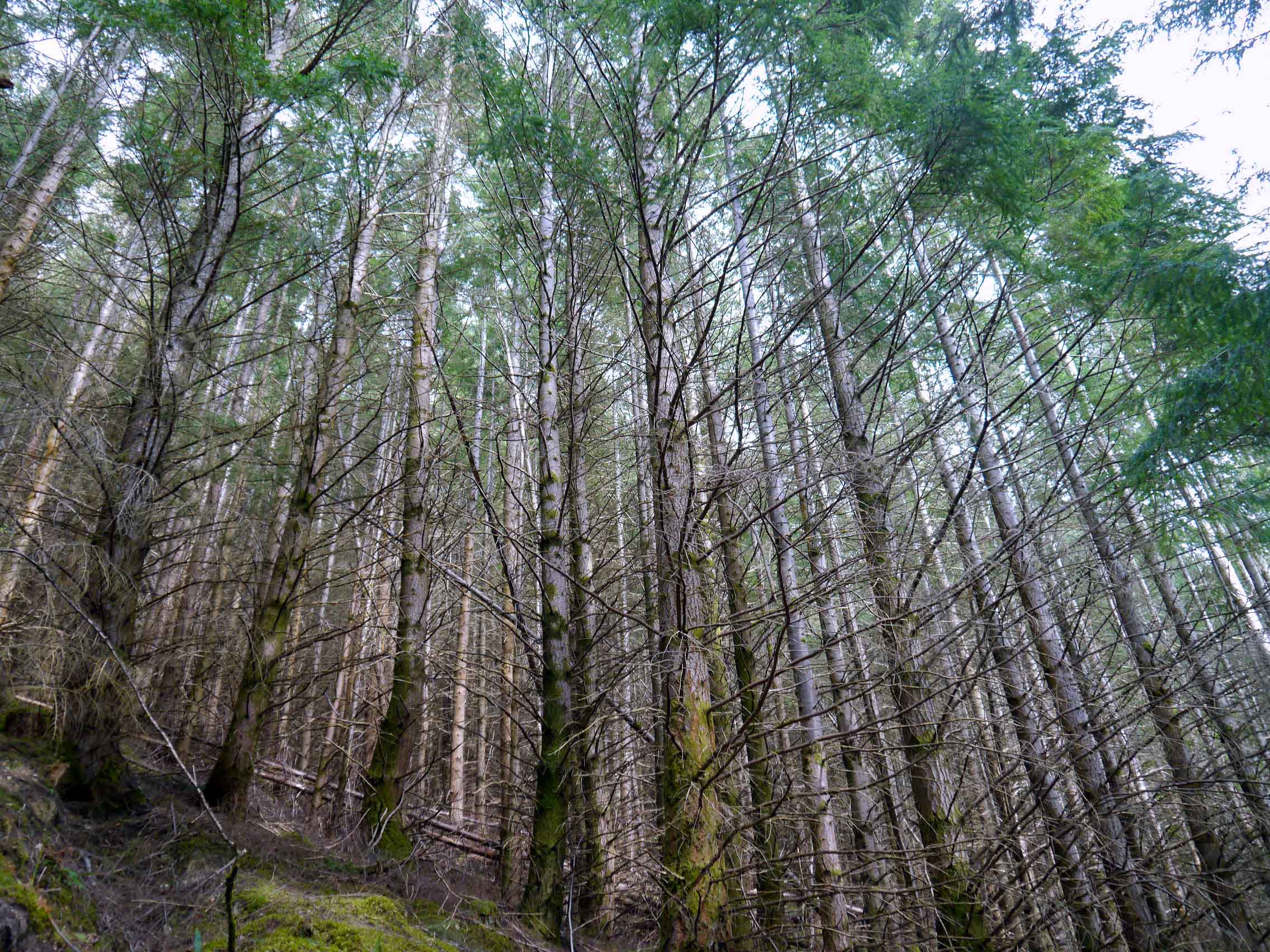
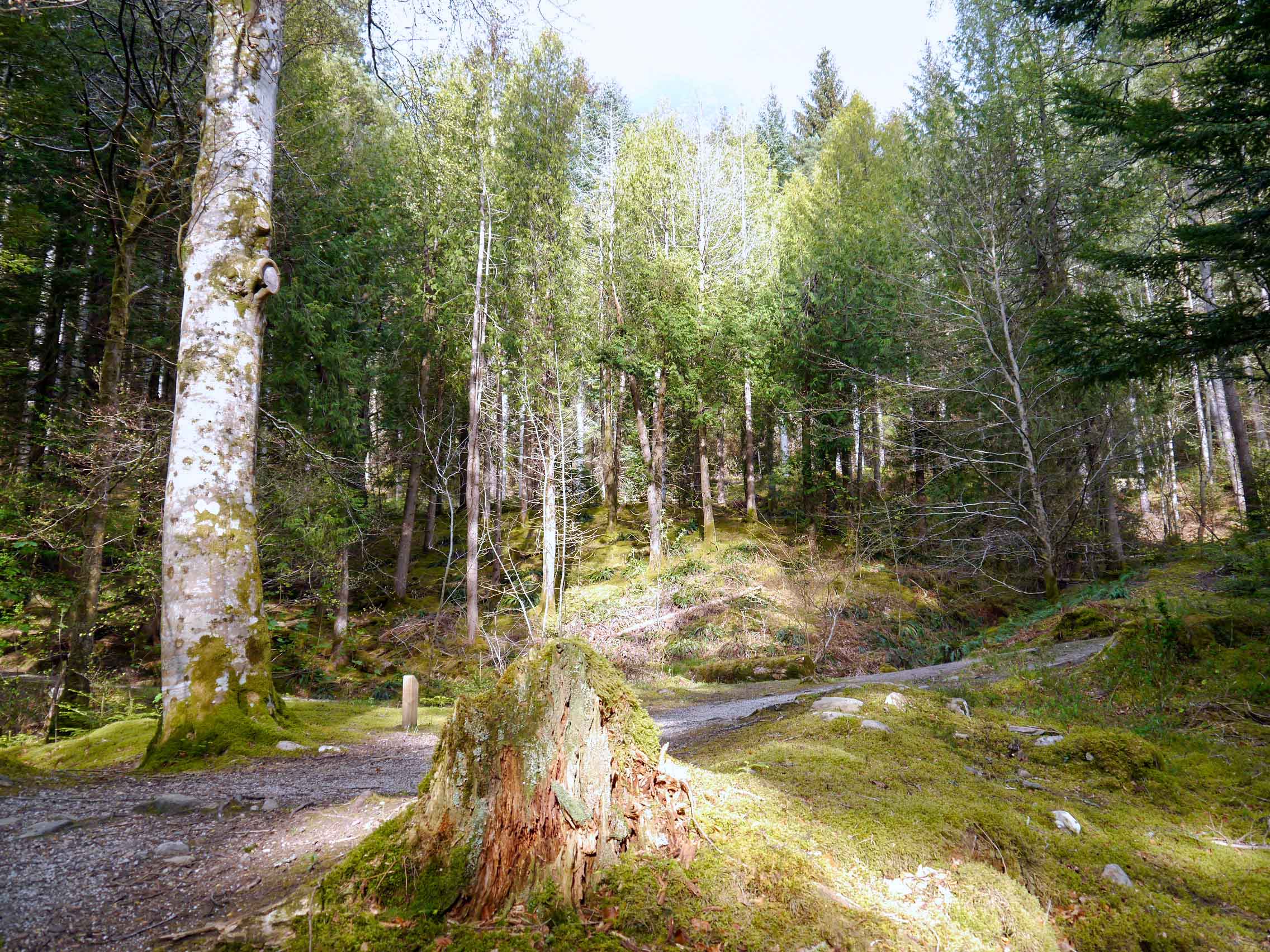
The Lael Forest Garden Walk is a pleasant stroll in Scotland’s northernmost arboretum.
During the 19th century, the land was owned by tree enthusiasts who gathered rare seeds from all over the world. Today, the garden has approximately 200 distinct tree species. Among the remarkable trees found here are the Giant sequoia, the Serbian Spruce, and the Wollemi pine. Notably, the Serbian Spruce is a true rarity, naturally occurring exclusively in the Drina valley in Serbia and Bosnia, where it thrives on limestone-rich soils.
Knockan Crag Hike
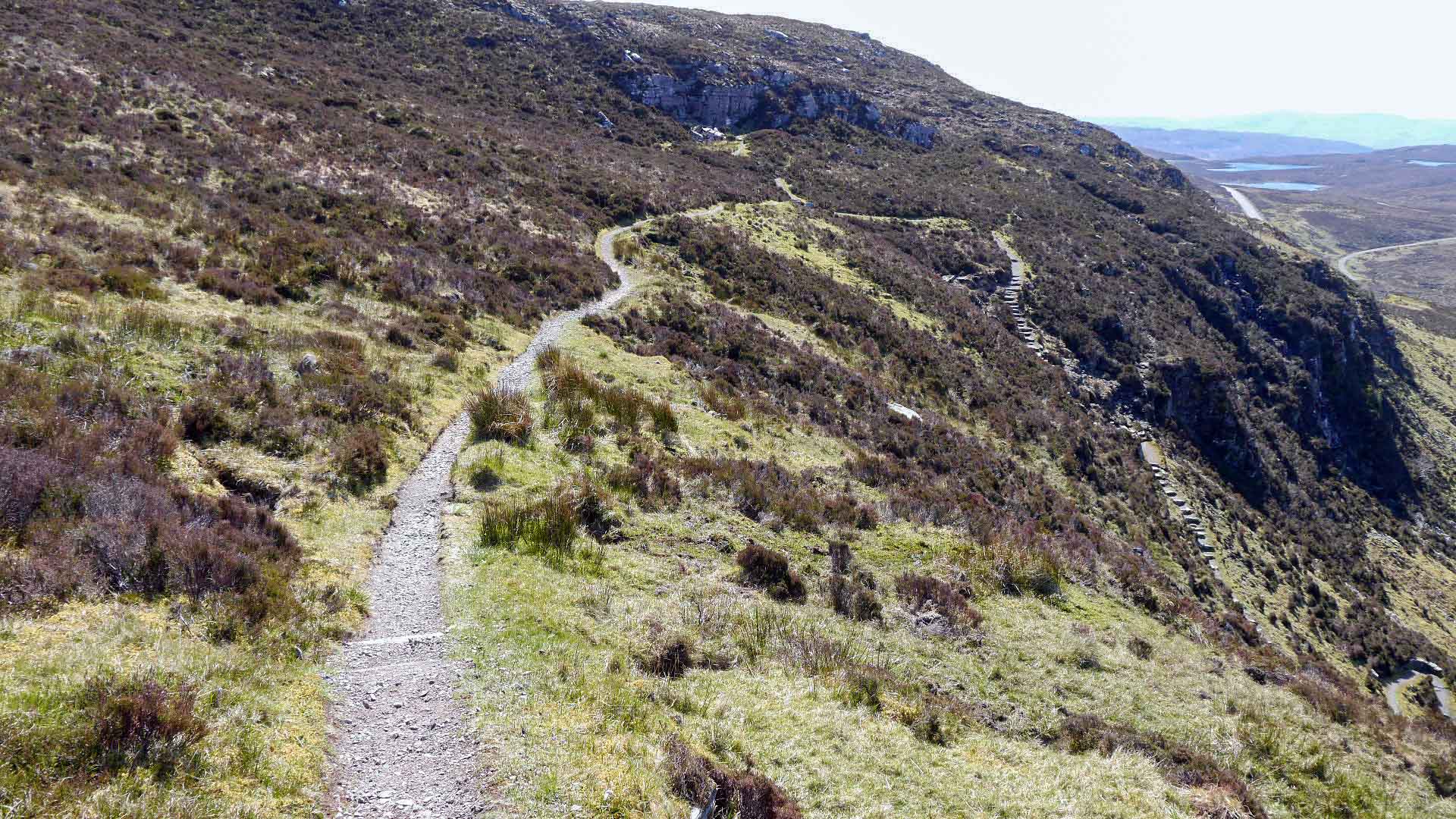
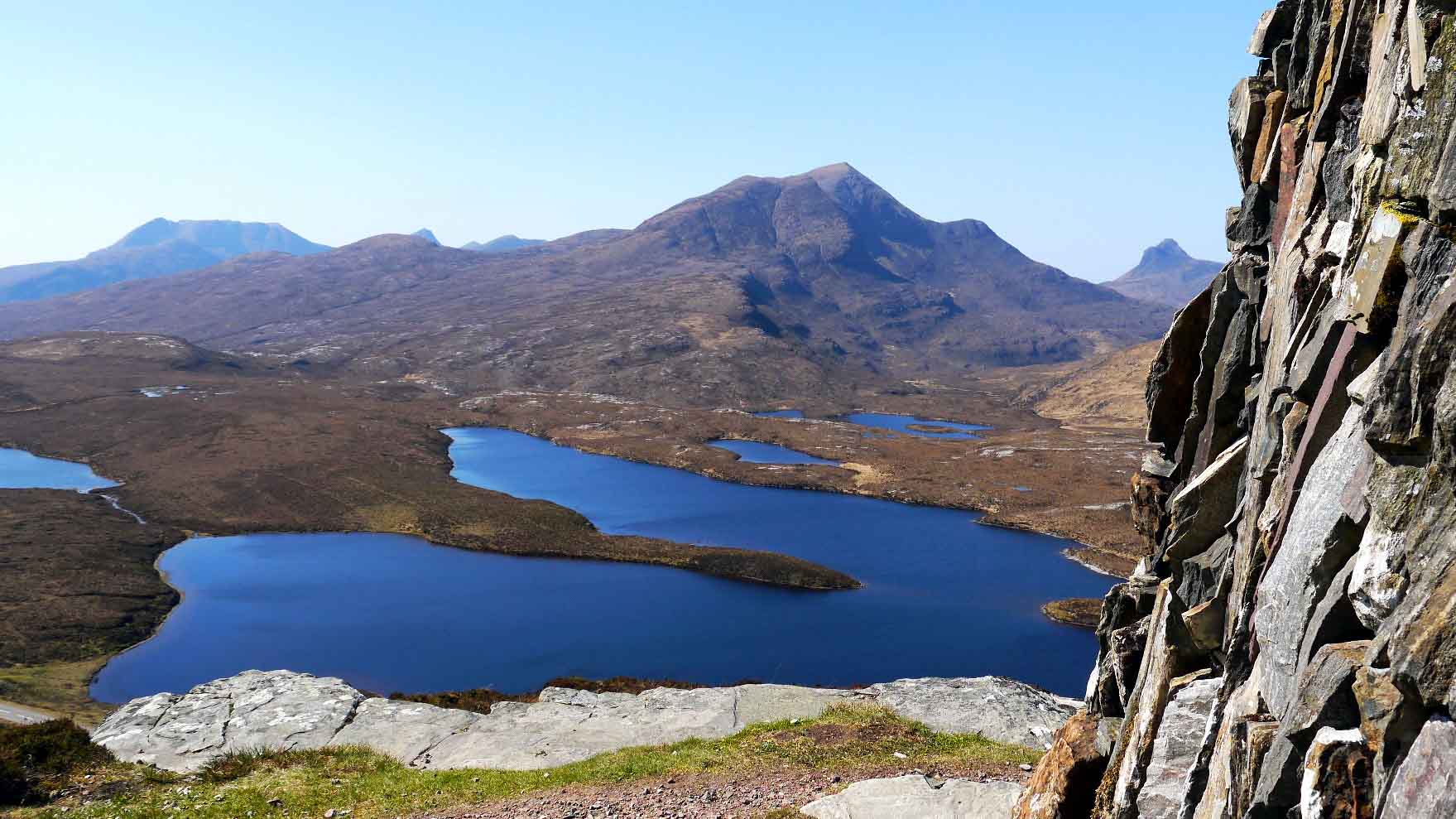
Knockan Crag National Nature Reserve is situated within the North West Highlands Geopark, featuring some of Europe’s oldest rocks.
During the 19th century, Knockan Crag became a focal point of intense debate among geologists. They observed that the layers at the top of the crag appeared older than the rocks beneath, leading to what was known as the ‘Highlands Controversy’ at that time. This dispute was ultimately settled in 1907 through the groundbreaking work of Ben Peach and John Horne. They demonstrated that powerful forces had thrust the older rocks towards, and then up and over, the younger rocks, resulting in the older rocks being driven westward over 70 kilometers. These profound events took place deep within the Earth’s crust. Over time, the upper layers were gradually eroded by ice and weather, exposing the rocks underneath. Knockan Crag emerged as one of the earliest known thrust belts, providing evidence of significant horizontal movements instead of vertical ones. Peach and Horne’s revolutionary discovery greatly contributed to the understanding of the geological processes occurring during the collision of continents and the formation of mountains.
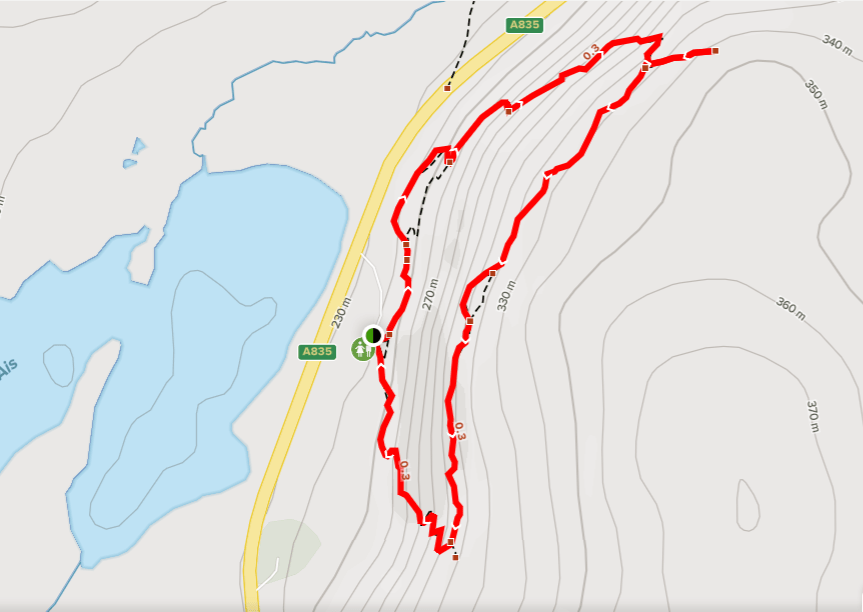
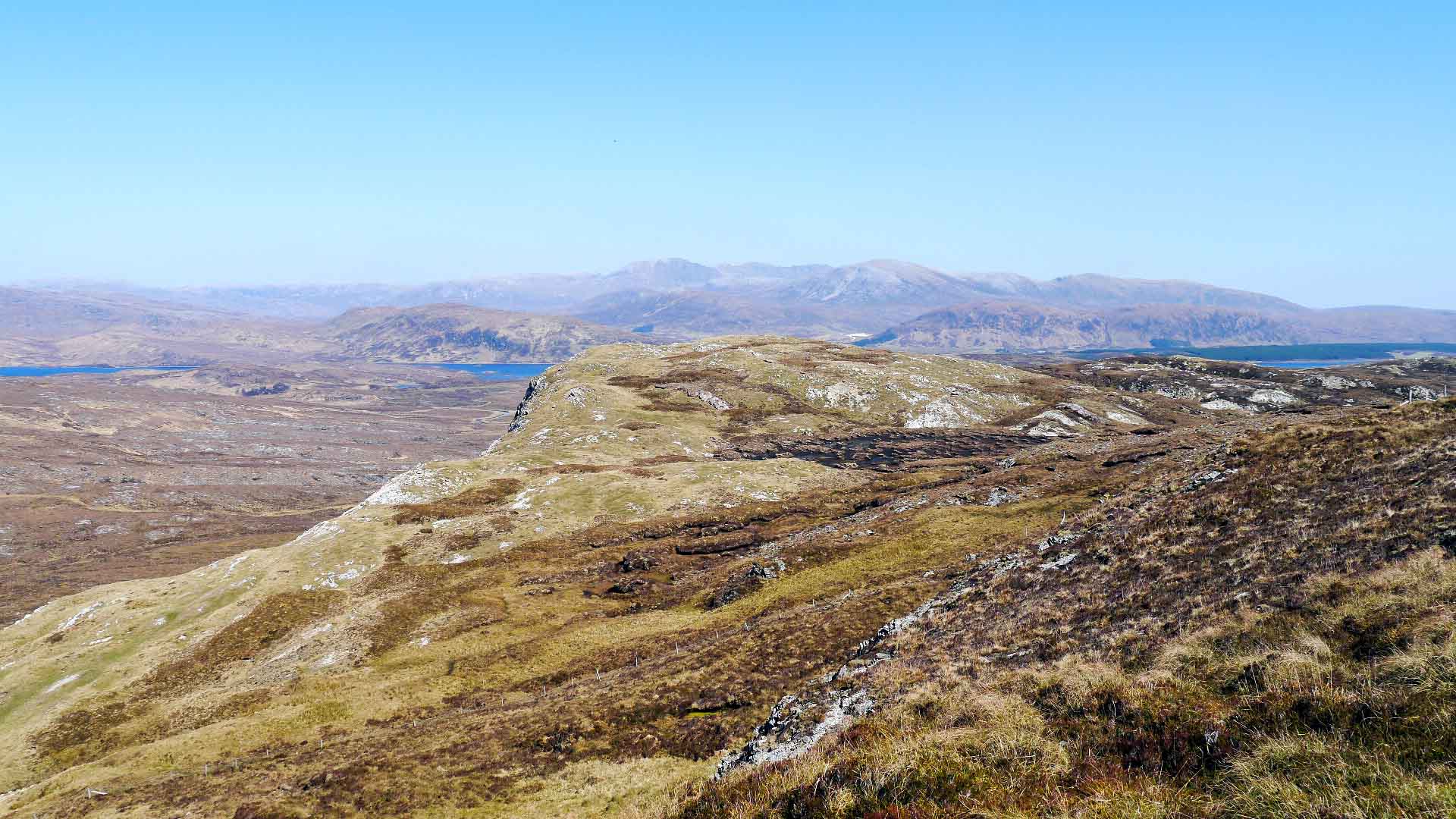
There are well-defined paths throughout. In some places the trail runs along exposed slopes.
Distance: 2 km
Ascent: 185 m
Duration: 1 hour
Info and map:
https://www.walkhighlands.co.uk/ullapool/knockancrag.shtml
Sources
https://www.nts.org.uk/visit/places/inverewe
https://www.nts.org.uk/visit/places/corrieshalloch-gorge
https://www.woodlandtrust.org.uk/visiting-woods/woods/lael-forest
https://www.nature.scot/enjoying-outdoors/scotlands-national-nature-reserves/knockan-crag-national-nature-reserve
 Trespasser-on-Earth